1. Introduction: The Silent Crisis of Medical Misdiagnosis
Healthcare has advanced dramatically over the past few decades. Hospitals now have modern equipment, digital patient records, and specialised doctors. However, one serious challenge still affects healthcare systems around the world — medical misdiagnosis. When a disease is diagnosed incorrectly or too late, the consequences can be severe. Patients may receive the wrong treatment, their condition may worsen, and healthcare costs may increase significantly.
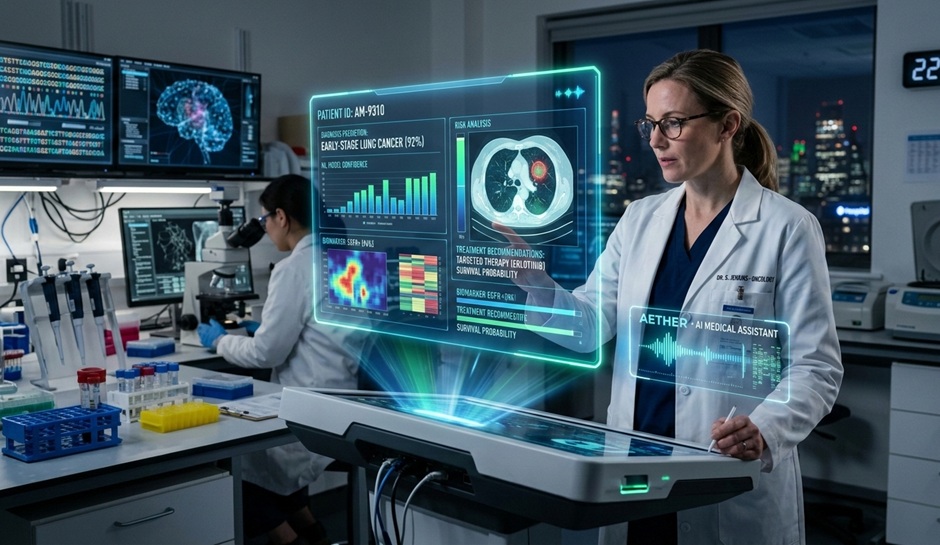
Medical errors are now recognised as one of the leading causes of preventable harm in healthcare. Research shows that around 5–15% of patients are misdiagnosed, even in advanced healthcare systems.
In many hospitals, 7–10% of patients experience diagnostic errors during hospital care, while about 5% of outpatient diagnoses are later found to be incorrect after further review.
These statistics show that diagnostic accuracy remains a major challenge for modern healthcare.
Why Traditional Diagnostic Processes Often Fail
Doctors are highly trained professionals, but diagnosing a disease is often complex. Many illnesses share similar symptoms, and patients may have multiple health conditions at the same time. Physicians must analyse medical history, lab reports, imaging scans, and physical symptoms within a limited amount of time.
Several factors contribute to diagnostic errors in hospitals:
- Failure to order the correct tests accounts for nearly 40% of diagnostic errors.
- Communication problems between healthcare professionals contribute to around 60–70% of diagnostic errors.
- Cognitive biases — such as assuming a diagnosis too early — also lead to incorrect medical conclusions.
Doctors must also manage large volumes of patient data every day. Medical imaging, electronic health records, laboratory results, and clinical notes generate enormous amounts of information. Analysing all this data accurately and quickly can be difficult for any human professional.
This is one of the main reasons why AI healthcare solutions and predictive analytics in healthcare are becoming essential tools in modern hospitals.
How Predictive AI Is Transforming Diagnostic Accuracy
Predictive AI in healthcare uses advanced algorithms, machine learning models, and data analytics to analyse large medical datasets. These systems can identify patterns, detect early warning signs of disease, and support doctors during the diagnostic process.
Unlike traditional systems, AI diagnostic tools can analyse thousands of medical records, research papers, and patient datasets in seconds. This allows hospitals to detect diseases earlier and make more accurate clinical decisions.
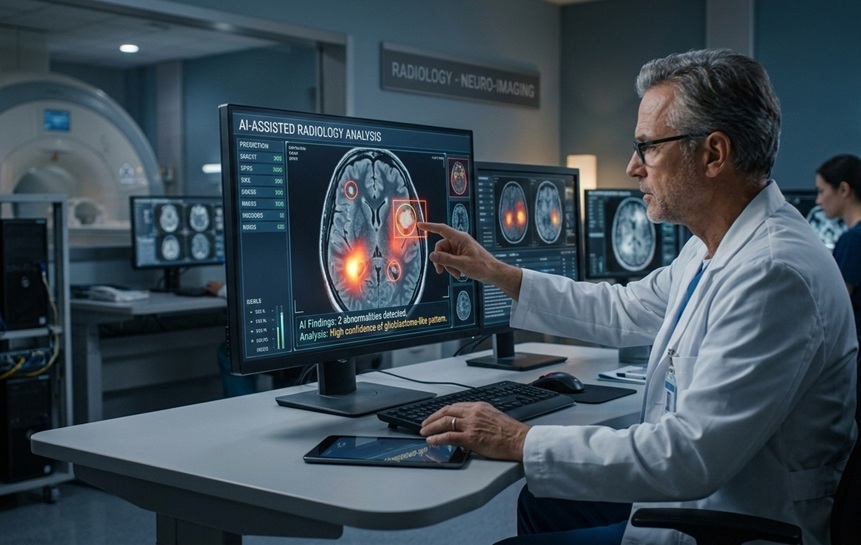
Research shows that AI-assisted diagnostics can reduce diagnostic errors by up to 30% and significantly improve disease detection accuracy.
Another clinical study found that after introducing AI-powered diagnostic systems, the diagnostic error rate dropped from 22% to 12%, representing a 45% reduction in errors in complex medical cases.
These improvements show how machine learning in healthcare is helping doctors detect diseases earlier and reduce the risk of incorrect diagnoses.
The Rise of AI in Hospitals
Hospitals around the world are now adopting AI in medical diagnosis, predictive analytics, and clinical decision support systems. These technologies help doctors interpret medical images, analyse patient data, and identify patterns that may be difficult to detect through traditional methods.
For example:
- AI medical imaging systems can detect tumours and abnormalities in scans more accurately.
- Predictive AI models can identify early warning signs of diseases such as sepsis, cancer, and heart disease.
- Clinical decision support tools provide doctors with data-driven treatment recommendations.
These innovations are helping healthcare organisations reduce diagnostic errors, improve patient safety, and increase treatment accuracy.
What You Will Learn in This Article
In this article, we will explore how predictive AI in hospitals is reducing misdiagnosis by up to 35% and transforming modern healthcare.
You will learn:
- How predictive AI in healthcare improves diagnostic accuracy
- Real hospital examples where AI diagnostic tools are reducing medical errors
- The technologies behind AI medical imaging, machine learning healthcare models, and predictive analytics
- The future of AI-powered healthcare and intelligent clinical decision support
As healthcare becomes more data-driven, one thing is clear: AI for medical diagnosis is not replacing doctors — it is empowering them to make faster, smarter, and more accurate decisions for patients.
In the next section, we will explore the real causes of misdiagnosis in hospitals and why traditional healthcare systems struggle to solve this problem.
Understanding Medical Misdiagnosis in Modern Healthcare
Medical diagnosis is one of the most important responsibilities in healthcare. A correct diagnosis allows doctors to choose the right treatment and improve patient outcomes. However, despite advanced medical knowledge and modern technology, medical misdiagnosis remains a serious challenge in hospitals worldwide.
Health experts now recognise diagnostic errors as a major patient safety issue. According to research published in the BMJ Quality & Safety Journal, about 1 in 20 adult patients in outpatient settings experience a diagnostic error every year. This means millions of patients worldwide may receive incorrect or delayed diagnoses. Studies from the US National Academy of Medicine also suggest that most people will experience at least one diagnostic error in their lifetime.
Understanding why misdiagnosis happens and its real impact is essential for improving healthcare systems and reducing medical risks.
2.1 What Is Medical Misdiagnosis?
Medical misdiagnosis occurs when a doctor fails to correctly identify a patient’s disease or medical condition. This can happen when the diagnosis is incorrect, delayed, or completely missed.
In simple terms, a misdiagnosis means the patient does not receive the right diagnosis at the right time. As a result, the patient may receive the wrong treatment or may not receive treatment when it is needed most.
Healthcare experts generally classify misdiagnosis into three main categories.
Wrong Diagnosis
A wrong diagnosis happens when a patient is diagnosed with the wrong illness. For example, symptoms of heart attack may sometimes be mistaken for indigestion or anxiety. When this happens, the patient may receive treatment that does not address the real problem.
Research published in JAMA Network Open found that serious diseases such as stroke, sepsis, and lung cancer are among the conditions most commonly misdiagnosed in emergency departments.
Delayed Diagnosis
A delayed diagnosis occurs when the correct disease is eventually identified, but only after a significant delay. This delay may allow the disease to progress to a more serious stage.
For example, certain cancers may not be diagnosed until months after the first symptoms appear. According to the National Cancer Institute, early detection significantly improves survival rates, which shows why delayed diagnosis can be dangerous.
Missed Diagnosis
A missed diagnosis happens when a disease is never identified at all. The patient may continue to experience symptoms, but the underlying condition remains undetected.
This type of error is particularly concerning because the patient may not receive any treatment for the actual illness.
2.2 Why Misdiagnosis Happens
Hospitals and doctors work hard to provide accurate diagnoses, but several factors can make the process difficult. Diagnosis often involves analysing large amounts of medical information, interpreting test results, and considering many possible conditions.
Below are some of the most common causes of misdiagnosis in modern healthcare.
Limited Clinical Data Visibility
Doctors often rely on Electronic Health Records (EHR), test reports, and patient history. However, sometimes important information may be missing or scattered across different systems.
A report by the National Academy of Medicine highlights that incomplete access to patient data can significantly increase the risk of diagnostic errors.
Time Pressure on Doctors
Healthcare professionals often work in high-pressure environments. Emergency departments, for example, must handle large numbers of patients within a short time.
According to research published in BMJ Quality & Safety, time pressure and heavy workloads are major contributors to diagnostic mistakes.
Complex Symptoms Across Multiple Diseases
Many illnesses share similar symptoms. For example:
- Chest pain may indicate heart disease, lung problems, or muscle strain
- Fatigue may be linked to infection, diabetes, anaemia, or thyroid disorders
Because symptoms can overlap across many conditions, identifying the correct disease can be challenging.
Human Cognitive Bias
Doctors, like all humans, can sometimes rely on mental shortcuts when making decisions. This is known as cognitive bias.
For example, a doctor might assume a common illness based on initial symptoms and stop exploring other possibilities. According to the Agency for Healthcare Research and Quality (AHRQ), cognitive bias is one of the leading contributors to diagnostic errors.
Incomplete Patient History
A patient’s medical history plays an important role in diagnosis. However, patients may forget important details, or medical records may not include complete information.
Missing information about previous illnesses, medications, or lifestyle factors can affect the accuracy of diagnosis.
Diagnostic Imaging Interpretation Errors
Medical imaging such as X-rays, CT scans, and MRIs are essential tools for diagnosing diseases. However, interpreting these images requires careful analysis.
A study published in Diagnosis Journal suggests that radiology interpretation errors can occur in around 3–5% of cases, especially when doctors are under time pressure or handling large volumes of scans.
2.3 The Real Impact of Misdiagnosis
Misdiagnosis is not just a technical problem in healthcare. It has serious consequences for patients, hospitals, and the entire healthcare system.
Patient Harm and Delayed Treatment
When a disease is misdiagnosed, patients may receive incorrect treatment or no treatment at all. This can allow the illness to worsen and lead to serious complications.
According to the World Health Organization (WHO), diagnostic errors are a major cause of preventable patient harm worldwide.
Increased Hospital Costs
Misdiagnosis can significantly increase healthcare costs. When the wrong diagnosis is made, patients may undergo unnecessary tests, treatments, or hospital stays.
Research published in Health Affairs estimates that diagnostic errors cost healthcare systems billions of dollars every year due to additional treatments and complications.
Legal Risks and Malpractice Claims
Diagnostic errors are also one of the leading causes of medical malpractice claims. According to a study in The BMJ, diagnostic errors account for nearly one-third of medical malpractice cases that result in patient death or permanent disability.
This creates legal and financial risks for hospitals and healthcare providers.
Loss of Patient Trust
Perhaps the most damaging effect of misdiagnosis is the loss of patient trust. Patients depend on doctors and hospitals to provide accurate care. When diagnostic errors occur, patients may lose confidence in healthcare systems.
Trust is essential for effective treatment, patient cooperation, and long-term healthcare relationships.
What Is Predictive AI in Healthcare?
Healthcare systems today generate enormous amounts of data every day. Hospitals collect patient records, medical scans, laboratory results, prescriptions, and treatment histories. Analysing this information manually can be extremely difficult and time-consuming. This is where predictive AI in healthcare plays a powerful role.
Predictive AI uses advanced algorithms and data analysis techniques to identify patterns in medical data and predict possible health outcomes. By analysing past and present patient information, AI healthcare solutions can help doctors detect diseases earlier, reduce diagnostic errors, and improve treatment decisions.
According to a report from the World Health Organization (WHO) and McKinsey Global Institute, artificial intelligence technologies have the potential to improve healthcare outcomes and could generate up to $100 billion in annual value for healthcare systems worldwide through improved diagnostics, treatment planning, and operational efficiency.
Predictive AI is already being used in hospitals to support doctors in diagnosing diseases such as cancer, heart disease, diabetes, and sepsis.
3.1 Definition of Predictive Artificial Intelligence
Predictive Artificial Intelligence refers to the use of advanced computer systems that analyse large datasets to identify patterns and predict future outcomes. In healthcare, predictive AI systems study medical data from thousands or even millions of patients to identify signals that may indicate disease risk.
Instead of relying only on human observation, AI for medical diagnosis uses data-driven models to support clinical decisions. Several important technologies make predictive AI possible.
Machine Learning
Machine learning is the core technology behind predictive AI in healthcare. It allows computers to learn from data without being explicitly programmed for every situation.
Machine learning algorithms analyse historical patient data to identify patterns. Over time, the system improves its predictions as it learns from new information.
For example, machine learning models can analyse thousands of medical images to learn how cancer appears in scans. Once trained, the system can help doctors detect tumours more accurately.
A study published in Nature Medicine (2020) showed that machine learning models can detect breast cancer in screening images with accuracy comparable to expert radiologists, and in some cases even reduce false positives.
Deep Learning
Deep learning is a more advanced form of machine learning that uses artificial neural networks designed to mimic the way the human brain processes information.
Deep learning is especially useful in AI medical imaging, where systems analyse complex data such as X-rays, CT scans, and MRIs.
For example, research published by Google Health in Nature (2020) demonstrated that deep learning models were able to detect breast cancer in mammograms with 9.4% fewer false negatives and 5.7% fewer false positives compared with human radiologists.
This technology allows hospitals to detect diseases earlier and improve diagnostic accuracy.
Predictive Analytics
Predictive analytics uses statistical models, machine learning algorithms, and historical medical data to forecast potential health risks.
Hospitals use predictive analytics to:
- Predict the risk of heart attacks
- Detect early signs of sepsis
- Identify patients at risk of hospital readmission
- Forecast disease progression
According to the Harvard School of Public Health, predictive analytics systems can analyse thousands of patient variables simultaneously to identify risk factors that may not be obvious to doctors.
Data Modelling
Data modelling refers to organising and structuring healthcare data so that AI systems can analyse it effectively.
Medical data often comes from different sources such as hospital databases, laboratory systems, and imaging platforms. Data modelling helps combine these sources into structured formats that predictive AI systems can analyse.
Well-structured data models allow AI systems to recognise patterns more accurately and provide reliable clinical insights.
3.2 How Predictive AI Works in Hospitals
Predictive AI systems follow a structured process to analyse medical data and support healthcare professionals. Hospitals use an AI workflow that includes several key stages.
1. Data Collection
The first step is gathering medical data from multiple sources within the hospital system.
This includes:
- Electronic health records
- Diagnostic images
- Laboratory reports
- Patient medical histories
- Vital signs
Modern hospitals collect massive amounts of patient data. According to IBM Watson Health, healthcare data is growing at an annual rate of around 36%, which is faster than many other industries.
2. Data Preprocessing
Raw healthcare data often contains errors, duplicates, or missing information. Before AI systems can analyse it, the data must be cleaned and organised.
This step includes:
- Removing incomplete records
- Standardising medical terminology
- Organising patient data into structured formats
Clean data ensures that predictive AI models produce reliable and accurate predictions.
3. Pattern Recognition
Once the data is prepared, machine learning algorithms begin analysing the dataset to identify patterns.
For example, AI systems may detect patterns that link specific symptoms, laboratory values, and imaging results with certain diseases.
This ability to analyse large datasets allows AI diagnostic tools to identify hidden medical patterns that may not be visible to human doctors.
4. Risk Prediction
After identifying patterns, predictive AI models estimate the probability that a patient may develop a specific disease or complication.
For example, predictive AI systems can calculate the risk of:
- Sepsis in intensive care patients
- Heart attack within the next few years
- Cancer recurrence
- Hospital readmission
A study published in Critical Care Medicine showed that AI-based sepsis prediction systems can identify high-risk patients several hours earlier than traditional clinical methods, giving doctors more time to provide life-saving treatment.
5. Clinical Decision Support
The final step involves providing recommendations to doctors through clinical decision support systems (CDSS).
These systems present AI insights in a clear and simple format, helping doctors:
- confirm possible diagnoses
- prioritise high-risk patients
- select appropriate treatment options
Importantly, predictive AI does not replace doctors. Instead, it acts as a decision-support tool that enhances human medical expertise.
3.3 Types of Data Used by Predictive AI
Predictive AI systems rely on large and diverse datasets to produce accurate medical predictions. Hospitals combine multiple data sources to train and operate AI models.
Electronic Health Records (EHR)
Electronic Health Records (EHR) are one of the most important sources of healthcare data. These digital records include patient diagnoses, medications, allergies, treatment history, and doctor notes.
According to HealthIT.gov, over 96% of hospitals in the United States now use electronic health record systems, providing a vast amount of data for AI analysis.
Medical Imaging
Medical imaging plays a crucial role in disease diagnosis. AI systems analyse images from:
- X-rays
- CT scans
- MRI scans
- Ultrasound images
AI medical imaging systems can detect abnormalities such as tumours, fractures, and organ damage with high accuracy.
Lab Results
Laboratory tests provide critical information about a patient’s health. Predictive AI analyses lab data such as:
- blood tests
- glucose levels
- cholesterol levels
- infection markers
Combining lab results with other patient data allows AI systems to detect early disease patterns.
Genetic Data
Advances in genomics have created new opportunities for AI-powered personalised medicine. Genetic data helps AI systems understand how specific genes influence disease risk.
According to the National Human Genome Research Institute, genomic data is becoming increasingly important for predicting diseases such as cancer, rare genetic disorders, and cardiovascular conditions.
Wearable Device Data
Wearable health devices such as smartwatches and fitness trackers generate continuous health data.
These devices track:
- heart rate
- sleep patterns
- physical activity
- blood oxygen levels
AI systems can analyse this real-time data to detect early warning signs of health problems.
Patient History
A patient’s medical history provides valuable insights for predictive AI models. Information about previous illnesses, medications, family health history, and lifestyle habits helps AI systems predict potential health risks.
Combining historical patient data with real-time clinical data enables AI healthcare solutions to provide highly accurate predictions and personalised treatment recommendations.
How Predictive AI Reduces Misdiagnosis by 35%
Modern hospitals are increasingly using predictive AI in healthcare to improve diagnostic accuracy and reduce medical errors. By analysing large volumes of medical data, artificial intelligence can detect patterns that doctors might miss and provide early warnings about potential health risks.
Several studies have shown that AI-assisted diagnostic systems can significantly reduce diagnostic errors. For example, research published in Nature Medicine and The Lancet Digital Health shows that AI models can match or even exceed human-level accuracy in certain diagnostic tasks, particularly in medical imaging and disease prediction.
According to research published in BMJ Quality & Safety, diagnostic errors affect approximately 5% of adult patients each year, but AI-powered clinical tools have demonstrated the potential to reduce diagnostic errors by up to 30–35% in complex clinical environments by improving early detection and decision support.
Predictive AI achieves this through several key mechanisms.
4.1 Early Disease Detection
One of the biggest advantages of predictive AI in hospitals is its ability to detect diseases earlier than traditional diagnostic methods.
AI models analyse medical data from thousands or millions of patient cases. By recognising patterns in symptoms, laboratory results, and medical imaging, AI systems can identify early warning signs before symptoms become severe.
Cancer Detection
AI is already improving cancer diagnosis. A study published in Nature (2020) by researchers from Google Health showed that AI systems analysing mammograms were able to detect breast cancer with 9.4% fewer false negatives and 5.7% fewer false positives compared with expert radiologists.
Early cancer detection is critical because survival rates improve significantly when cancer is identified at an early stage.
Sepsis Prediction
Sepsis is a life-threatening condition caused by the body’s extreme response to infection. It progresses rapidly and can lead to organ failure.
According to the Centers for Disease Control and Prevention (CDC), sepsis affects about 1.7 million adults in the United States every year and causes around 270,000 deaths.
Predictive AI systems used in hospitals can detect early signs of sepsis several hours before symptoms become critical. A study published in Critical Care Medicine showed that machine learning models were able to identify sepsis risk up to 4–6 hours earlier than traditional monitoring systems, giving doctors valuable time to start treatment.
Heart Disease Prediction
Heart disease remains the leading cause of death worldwide, according to the World Health Organization (WHO).
Predictive AI models can analyse patient data such as cholesterol levels, blood pressure, ECG readings, and medical history to identify individuals at high risk of heart attacks.
Research published in The Lancet Digital Health found that AI algorithms analysing heart scans were able to predict cardiovascular risk more accurately than traditional clinical methods in certain cases.
Stroke Detection
Stroke diagnosis requires extremely fast decision-making. Delays in diagnosis can cause permanent brain damage.
AI-powered imaging systems can detect early signs of stroke by analysing brain scans within seconds. According to a study in Nature Medicine, AI-based stroke detection tools can help reduce diagnosis time significantly and improve treatment decisions.
4.2 AI-Powered Clinical Decision Support
Another major way predictive AI reduces misdiagnosis is through AI-powered clinical decision support systems (CDSS).
These systems analyse vast medical datasets, clinical guidelines, and historical patient records to provide doctors with evidence-based recommendations during diagnosis and treatment planning.
Instead of relying only on memory or limited clinical experience, doctors can use AI insights based on millions of real-world patient cases.
Faster Diagnosis
AI systems can analyse medical records, symptoms, and laboratory results within seconds. This helps doctors identify potential conditions more quickly.
For example, AI diagnostic tools can quickly compare a patient’s symptoms with thousands of known disease patterns to suggest possible diagnoses.
Reduced Human Error
Doctors often work under high pressure and must make decisions quickly. AI tools reduce the risk of human error by highlighting critical medical signals that may otherwise be overlooked.
According to research from the Agency for Healthcare Research and Quality (AHRQ), clinical decision support systems significantly improve diagnostic accuracy and patient safety when integrated into hospital workflows.
Evidence-Based Treatment Suggestions
AI-powered systems also provide treatment recommendations based on clinical research and patient outcomes.
For example, AI models can suggest the most effective treatment plan based on similar patient cases and medical guidelines.
These insights help doctors make data-driven decisions rather than relying solely on intuition.
4.3 Pattern Recognition Beyond Human Capability
One of the most powerful abilities of machine learning in healthcare is pattern recognition.
Medical imaging generates highly complex data. Human radiologists are extremely skilled, but analysing thousands of images every day can be challenging.
AI systems are trained using millions of medical images, allowing them to detect subtle abnormalities that may not be visible to the human eye.
AI is now widely used to analyse:
- X-rays
- MRI scans
- CT scans
- Pathology slides
A major review published in The Lancet Digital Health (2019) analysed multiple AI diagnostic studies and found that AI systems performed with accuracy comparable to healthcare professionals in image-based diagnosis.
For example:
- AI can detect tiny lung nodules in CT scans that may indicate early lung cancer.
- AI can identify small brain abnormalities in MRI scans related to neurological disorders.
- AI pathology tools can analyse tissue samples to detect cancer cells more accurately.
This advanced pattern recognition significantly reduces the risk of diagnostic errors.
4.4 Continuous Monitoring of Patient Data
Traditional diagnosis usually happens during scheduled medical visits or hospital admissions. However, many health conditions develop gradually and may not show clear symptoms during a single examination.
Predictive AI changes this approach by continuously monitoring patient data in real time.
Hospitals now use AI systems that analyse ongoing patient information from multiple sources.
ICU Monitoring
In intensive care units (ICUs), patients are constantly monitored using medical devices that track vital signs.
AI systems analyse these signals continuously and can detect early signs of complications such as:
- respiratory failure
- sepsis
- cardiac arrest
Research published in Nature Medicine has shown that AI systems monitoring ICU data can detect patient deterioration earlier than traditional monitoring systems.
Vital Signs Analysis
AI algorithms analyse vital signs such as:
- heart rate
- blood pressure
- oxygen levels
- respiratory rate
By tracking these indicators continuously, predictive AI can identify early warning signs of health deterioration.
Wearable Health Sensors
Wearable health devices such as smartwatches and fitness trackers are also becoming valuable sources of health data.
These devices can monitor:
- heart rhythm
- physical activity
- sleep patterns
- blood oxygen levels
AI systems can analyse this data to detect abnormal patterns and alert healthcare providers when necessary.
4.5 Data-Driven Risk Prediction
Perhaps the most powerful capability of predictive AI in healthcare is risk prediction.
Instead of reacting only after symptoms appear, AI systems can forecast potential health risks before they become serious.
Predicting Disease Progression
AI models analyse patient history, lab results, and treatment data to estimate how a disease may progress.
This allows doctors to intervene earlier and adjust treatment plans accordingly.
Predicting Medical Complications
Predictive AI systems can also identify patients who are at high risk of developing complications during hospital treatment.
For example, AI models can predict the likelihood of:
- post-surgical infections
- organ failure
- medication side effects
Early warnings help doctors prevent complications before they become life-threatening.
Predicting Hospital Readmissions
Hospital readmissions are a major challenge for healthcare systems.
According to research published in Health Affairs, nearly 20% of hospital patients are readmitted within 30 days of discharge in some healthcare systems.
AI predictive models analyse patient data to identify individuals at high risk of readmission. Hospitals can then provide additional care, follow-up monitoring, or preventive treatment to reduce this risk.
Real Hospital Use Cases of Predictive AI
Predictive AI is already being used in hospitals around the world to help doctors detect diseases earlier, analyse medical images faster, and predict life-threatening conditions before they become critical. These systems analyse large amounts of patient data such as scans, lab reports, and vital signs to identify patterns that humans may miss.
Below are some of the most important real-world hospital applications of predictive AI.
5.1 AI for Early Cancer Detection
Cancer diagnosis often depends on identifying very small changes in medical images. Predictive AI systems can analyse thousands of images quickly and highlight suspicious patterns that may indicate early cancer.
Breast Cancer Screening
AI is increasingly used to assist radiologists when analysing mammograms. Research published in Radiology showed that AI algorithms can outperform traditional clinical risk models when predicting breast cancer risk from mammograms.
Another large clinical trial in Sweden involving 100,000 women found that AI-assisted screening detected cancers earlier and reduced late diagnoses by about 12%.
AI can also reduce diagnostic mistakes. For example, an international study reported that AI systems reduced:
- False positives by up to 5.7%
- False negatives by up to 9.4%
compared with human radiologists in breast cancer screening.
Lung Cancer Detection
Predictive AI tools can analyse CT scans to identify small lung nodules that may indicate early lung cancer.
Google Health researchers demonstrated that deep learning models could detect lung cancer from CT scans as accurately as expert radiologists, helping doctors identify cancer at an earlier stage.
Benefits of AI in Cancer Screening
Hospitals using predictive AI for cancer screening have reported several key benefits:
- Earlier diagnosis, when treatment is more effective
- Reduced false negatives, meaning fewer missed cancers
- Better prioritisation of high-risk patients
Early detection significantly improves survival rates, which is why AI-assisted screening is becoming a critical part of modern oncology.
5.2 AI in Radiology and Medical Imaging
Radiology departments generate thousands of medical images every day, including CT scans, MRIs, X-rays, and ultrasounds. Analysing these images manually takes time and can lead to human error, especially under heavy workloads.
Predictive AI tools are now being used in hospitals to assist radiologists by automatically identifying abnormal patterns in medical images.
How AI Helps Radiologists
AI systems can detect a wide range of abnormalities, including:
- Tumours and cancerous growths
- Bone fractures in X-rays
- Brain haemorrhages and neurological abnormalities
- Lung infections or nodules
A study using deep neural networks trained on over 200,000 mammography exams showed that AI could achieve diagnostic accuracy comparable to experienced radiologists.
Impact in Hospitals
Hospitals that use AI-assisted radiology report several improvements:
- Faster image interpretation
- Reduced diagnostic errors
- Improved workflow efficiency
Instead of replacing radiologists, AI works as a decision-support tool, highlighting suspicious areas that doctors can review more carefully.
5.3 AI for Sepsis Prediction
Sepsis is one of the most dangerous medical emergencies in hospitals. It occurs when the body has an extreme response to infection, which can quickly lead to organ failure.
According to global health studies, millions of deaths each year are linked to sepsis, partly because it is often diagnosed too late.
Predictive AI systems can help doctors identify sepsis hours before symptoms become severe.
How AI Predicts Sepsis
AI models continuously analyse patient data from hospital monitoring systems, including:
- Blood pressure
- Heart rate
- Body temperature
- Oxygen levels
- Laboratory test results
By analysing these data points in real time, AI systems can identify early warning signs of sepsis that may not be obvious to clinicians.
Results in Hospitals
Hospitals using predictive sepsis systems have reported:
- Earlier medical intervention
- Reduced ICU admissions
- Lower mortality rates
Some AI-based hospital monitoring systems can predict sepsis up to 4–12 hours before clinical diagnosis, giving doctors critical time to begin treatment.
Early treatment dramatically improves survival because sepsis can worsen rapidly if untreated.
5.4 AI in Cardiovascular Risk Prediction
Heart disease remains the leading cause of death worldwide, responsible for millions of deaths each year.
Predictive AI systems are helping hospitals identify patients at risk of cardiovascular events long before symptoms appear.
What AI Analyses
AI models analyse large datasets from patient health records, including:
- ECG readings
- Blood pressure history
- Cholesterol levels
- Lifestyle factors
- Medical imaging results
Using this information, AI can detect patterns that indicate increased risk of:
- Heart attacks
- Stroke
- Cardiac arrhythmias
Real-World Example
Researchers at the Mayo Clinic developed an AI system that analyses ECG data to detect heart conditions that may otherwise go unnoticed. The model was able to identify patients at risk of atrial fibrillation, a major cause of stroke.
Studies show that AI-based ECG analysis can predict atrial fibrillation even when the ECG appears normal to clinicians.
Benefits for Hospitals
Predictive AI in cardiology provides several advantages:
- Earlier identification of high-risk patients
- More personalised treatment plans
- Reduced emergency hospital admissions
These systems enable hospitals to move from reactive treatment to preventive healthcare, improving patient outcomes.
Technologies Powering Predictive AI in Hospitals
Predictive AI systems in hospitals rely on several advanced technologies that work together to analyse large amounts of medical data. These technologies help doctors identify risks earlier, improve diagnosis, and support clinical decisions.
The most important technologies include machine learning algorithms, deep learning for medical imaging, natural language processing, and large-scale data infrastructure.
6.1 Machine Learning Algorithms
Machine learning is the core technology behind predictive AI in healthcare. These algorithms analyse patient data such as lab results, medical history, imaging data, and vital signs to predict possible health outcomes.
Hospitals commonly use several machine learning models.
Random Forest
Random Forest is a widely used algorithm in healthcare prediction systems. It works by combining many decision trees to improve prediction accuracy.
For example, a hospital study using electronic health record data showed that machine learning models such as Random Forest and Gradient Boosting achieved high predictive performance in predicting in-hospital mortality, with an AUROC of around 0.942, demonstrating strong prediction capability.
Random Forest models are commonly used to predict:
- Patient mortality risk
- Hospital readmission probability
- Disease progression
Research also shows that Random Forest models can capture complex relationships in healthcare data and improve risk prediction accuracy.
Gradient Boosting
Gradient Boosting is another powerful algorithm used in predictive healthcare analytics. It improves prediction performance by combining multiple weak models into a strong predictive model.
Studies comparing machine learning models for hospital readmission prediction found that Gradient Boosting and Random Forest models often outperform traditional statistical models when analysing electronic health record data.
Hospitals use Gradient Boosting to predict:
- ICU admissions
- Hospital readmissions
- Disease complications
These models work well because healthcare data is often complex and non-linear.
Neural Networks
Neural networks are inspired by the human brain and are designed to recognise patterns in large datasets.
In healthcare, neural networks can analyse many variables simultaneously, including:
- Medical images
- Patient history
- Laboratory test results
These systems are particularly useful when hospitals have large datasets because neural networks improve as more data becomes available.
6.2 Deep Learning for Medical Imaging
Deep learning is a specialised type of machine learning that is extremely effective at analysing images.
In hospitals, deep learning is widely used in radiology, pathology, and medical imaging diagnostics.
Convolutional Neural Networks (CNNs)
Convolutional Neural Networks (CNNs) are the most common deep learning models used for medical image analysis. These models analyse images by detecting patterns such as shapes, textures, and abnormalities.
CNNs are used to analyse:
- CT scans
- MRI images
- X-rays
- Ultrasound images
Studies show that deep learning algorithms can achieve very high diagnostic accuracy. A large systematic review of medical imaging AI reported that deep learning models achieved AUC values between 0.933 and 1.0 for diseases such as diabetic retinopathy and glaucoma.
Deep learning systems help hospitals by:
- Detecting diseases earlier
- Reducing radiology workload
- Improving diagnostic accuracy
Modern radiology AI tools often combine CNNs with other machine learning techniques to assist clinicians in making faster and more accurate decisions.
6.3 Natural Language Processing (NLP)
Hospitals generate enormous amounts of text data every day. This includes:
- Doctor notes
- Clinical reports
- Discharge summaries
- Patient histories
- Radiology reports
Much of this information is stored in electronic health records (EHRs) as unstructured text.
Natural Language Processing (NLP) allows AI systems to read and analyse this text data.
Extracting Information from Clinical Notes
NLP systems can automatically extract important information from medical text, such as:
- Symptoms
- Diagnoses
- Medications
- Medical procedures
Research using NLP models on electronic health records showed that AI could extract heart failure symptom information from clinical notes and increase patient classification by 83% compared with manual documentation alone.
Other studies show that NLP tools can extract clinical features from doctor notes with accuracy up to 96% for simple clinical information.
Real Hospital Applications
Hospitals use NLP to:
- Analyse patient records for predictive analytics
- Improve clinical documentation
- Identify disease trends in patient data
Tools such as Apache cTAKES are designed specifically to extract medical concepts such as diseases, drugs, and symptoms from electronic health records.
This allows predictive AI systems to use information that would otherwise remain hidden inside large text documents.
6.4 Big Data Infrastructure
Predictive AI systems require extremely large datasets to function effectively. Hospitals generate huge volumes of data every day from medical devices, laboratory systems, and electronic health records.
To manage this data, healthcare organisations rely on advanced big data infrastructure.
Cloud Platforms
Many hospitals use cloud platforms to store and analyse healthcare data securely. Cloud infrastructure allows hospitals to:
- Process large medical datasets
- Run AI models at scale
- Share data across healthcare systems
Cloud systems also make it easier to deploy AI tools across multiple hospitals.
Healthcare Data Lakes
A healthcare data lake is a central system that stores large volumes of structured and unstructured healthcare data.
These data lakes often combine:
- Electronic health records
- Imaging data
- Genomic data
- Laboratory results
By storing data in one place, hospitals can train predictive AI models using more comprehensive datasets.
High-Performance Computing
Predictive AI models often require massive computing power, especially for deep learning systems analysing medical images.
Hospitals use high-performance computing systems to:
- Train large AI models
- Process millions of medical images
- Analyse real-time patient monitoring data
This infrastructure allows predictive AI to operate at hospital scale and deliver real-time insights for clinicians.
Key Benefits of Predictive AI in Healthcare
Predictive AI in healthcare is transforming how hospitals diagnose diseases, plan treatments, and manage patient care. By analysing massive volumes of medical data, predictive artificial intelligence helps doctors make faster, more accurate, and data-driven decisions.
Hospitals around the world are now adopting AI-powered healthcare solutions, predictive analytics in healthcare, and machine learning diagnostics to reduce errors, improve efficiency, and deliver better patient outcomes.
According to a report by Accenture, the use of AI applications in healthcare could potentially save the US healthcare system up to $150 billion annually by 2026 through improved efficiency and reduced operational costs.
Below are the key benefits of predictive AI in healthcare that are transforming modern hospitals.
7.1 Improved Diagnostic Accuracy
One of the most important benefits of predictive AI in hospitals is improved diagnostic accuracy. Traditional diagnostic methods depend heavily on human interpretation, which can sometimes lead to errors due to fatigue, time pressure, or complex symptoms.
Predictive AI systems analyse large medical datasets, imaging scans, patient histories, and clinical records to identify disease patterns that may be difficult for humans to detect.
For example, a study published in Nature (2020) found that an AI system developed by Google Health was able to detect breast cancer in mammograms with 9.4% fewer false positives and 5.7% fewer false negatives compared to radiologists.
This improvement in diagnostic accuracy helps hospitals:
- Detect diseases earlier
- Reduce diagnostic errors
- Improve clinical decision-making
- Deliver more reliable diagnoses
As a result, AI-powered diagnostics are becoming a critical tool in reducing medical misdiagnosis and improving patient safety.
7.2 Faster Clinical Decisions
In many medical situations, speed is critical. Conditions such as stroke, sepsis, or heart attack require immediate diagnosis and treatment.
Predictive AI systems can process millions of medical records, laboratory results, and imaging scans within seconds. This allows doctors to receive real-time clinical insights and treatment recommendations.
For example, research published by Stanford University shows that AI algorithms can analyse medical imaging scans up to 30 times faster than traditional manual review, while maintaining high levels of accuracy.
By providing instant data analysis, AI-powered clinical decision support systems help doctors diagnose conditions faster and choose the best treatment path quickly.
Benefits include:
- Faster diagnosis of critical illnesses
- Reduced delays in treatment
- Improved emergency care decisions
- Better workflow efficiency in hospitals
7.3 Reduced Healthcare Costs
Healthcare systems around the world face increasing costs due to rising patient demand, complex treatments, and operational inefficiencies.
Predictive AI helps hospitals optimise resources, reduce unnecessary tests, and prevent costly complications.
According to Accenture’s AI in Healthcare report, artificial intelligence applications could generate annual savings of up to $150 billion for the US healthcare system by 2026.
Predictive AI reduces costs by:
- Identifying diseases earlier before they become severe
- Preventing hospital readmissions
- Optimising hospital resource management
- Reducing unnecessary diagnostic testing
By improving operational efficiency, AI-driven healthcare systems help hospitals deliver high-quality care while controlling costs.
7.4 Personalized Treatment Plans
Every patient is unique. Traditional treatment approaches often rely on standard protocols that may not work equally well for all individuals.
Predictive AI enables personalised medicine by analysing patient-specific data such as:
- Genetic information
- Medical history
- Lifestyle factors
- Treatment responses
A report by the National Institutes of Health (NIH) highlights that AI-driven personalised medicine allows doctors to select treatments tailored to each patient’s biological profile, improving treatment effectiveness.
For example, in cancer treatment, AI can analyse tumour genetics and recommend targeted therapies that are more likely to work for a specific patient.
Benefits include:
- More effective treatment plans
- Reduced trial-and-error in medication
- Improved patient satisfaction
- Better long-term disease management
7.5 Better Patient Outcomes
Ultimately, the main goal of AI-powered healthcare technology is to improve patient health outcomes.
Predictive AI helps hospitals identify health risks earlier, monitor disease progression, and guide treatment decisions using real-time data.
According to a study published in The Lancet Digital Health, AI systems used for medical imaging can achieve diagnostic performance comparable to healthcare professionals, significantly improving clinical outcomes.
By improving diagnosis and treatment planning, predictive AI helps:
- Reduce medical errors
- Detect diseases earlier
- Improve survival rates
- Enhance overall quality of care
As hospitals continue adopting machine learning in healthcare, patient care is becoming more proactive and preventive rather than reactive.
7.6 Reduced Physician Burnout
Healthcare professionals often work long hours and manage large volumes of patient data. Administrative tasks such as documentation, data analysis, and reviewing reports can consume a significant portion of a doctor’s time.
Predictive AI helps reduce this workload by automating many routine tasks, allowing doctors to focus more on patient care.
According to a study by the Mayo Clinic Proceedings, nearly 63% of physicians report symptoms of burnout, often due to administrative workload and time pressure.
AI tools can help reduce this burden by:
- Automating medical documentation
- Analysing patient data automatically
- Supporting diagnostic decisions
- Managing hospital workflows
By reducing repetitive tasks and improving efficiency, AI-powered healthcare systems allow doctors to focus more on patient interaction and clinical care, which helps reduce stress and burnout.
Conclusion
The adoption of predictive AI in healthcare is bringing major improvements to modern hospitals. From improving diagnostic accuracy to reducing physician burnout, AI technologies are helping healthcare providers deliver faster, smarter, and more personalised patient care.
With continued advancements in machine learning, predictive analytics, and AI-powered clinical decision support systems, hospitals are expected to achieve even greater improvements in patient safety and healthcare efficiency in the coming years.
Challenges Hospitals Face When Implementing AI
While predictive AI in healthcare is transforming diagnosis and patient care, hospitals still face several challenges when implementing AI technologies. Adopting AI-powered healthcare solutions, machine learning in hospitals, and predictive analytics systems requires strong infrastructure, reliable data, and regulatory compliance.
Many healthcare organisations are excited about the benefits of artificial intelligence, but the path to successful AI adoption is not always simple. Hospitals must address technical, financial, ethical, and operational barriers before AI systems can deliver their full value.
Below are the most common challenges hospitals face when implementing predictive AI in healthcare systems.
8.1 Data Privacy and Compliance
Healthcare data is one of the most sensitive types of information. Hospitals collect and store large amounts of personal data, including medical records, genetic information, and treatment histories.
When hospitals use AI-powered healthcare systems, this data must be handled carefully to protect patient privacy and meet strict legal regulations.
One of the most important regulations in healthcare data protection is the Health Insurance Portability and Accountability Act (HIPAA) in the United States. HIPAA requires healthcare organisations to protect patient information and prevent unauthorised access.
In addition to HIPAA, many countries have their own healthcare data regulations, such as:
- GDPR (General Data Protection Regulation) in Europe
- Health Data Protection laws in many national healthcare systems
Hospitals implementing predictive AI must ensure that their systems follow these regulations. This includes:
- Secure data storage
- Data encryption
- Access control for medical records
- Ethical use of patient information
Failure to protect healthcare data can lead to serious legal penalties and loss of patient trust.
8.2 Data Quality Issues
Artificial intelligence systems depend heavily on high-quality data. If the data used to train AI models is incomplete, inaccurate, or biased, the AI system may produce unreliable results.
Unfortunately, healthcare data is often messy and inconsistent. Patient records may contain missing information, incorrect entries, or different formats across departments.
According to a report from Harvard Business Review, poor data quality is one of the biggest barriers to successful AI adoption across industries, including healthcare.
For predictive AI in healthcare to work effectively, hospitals must invest in:
- Data cleaning and standardisation
- Accurate electronic health records (EHR)
- Consistent medical documentation
- High-quality medical imaging datasets
Without reliable data, even the most advanced machine learning algorithms in healthcare cannot produce accurate predictions.
8.3 Integration with Legacy Systems
Many hospitals still rely on legacy IT systems that were designed years or even decades ago. These older systems were not built to support modern technologies such as artificial intelligence or large-scale data analytics.
As a result, integrating predictive AI tools with existing hospital infrastructure can be technically complex.
Healthcare systems often operate across multiple platforms, including:
- Electronic Health Record (EHR) systems
- Laboratory information systems
- Radiology imaging systems
- Hospital management software
According to McKinsey & Company, one of the biggest barriers to digital transformation in healthcare is the difficulty of integrating new technologies with existing systems.
Hospitals must often upgrade their IT infrastructure or build new data platforms to support AI-driven healthcare analytics.
8.4 Doctor Trust in AI Systems
Another major challenge is gaining the trust of healthcare professionals. Many doctors are cautious about relying on artificial intelligence for clinical decisions.
Medical professionals want to understand how AI systems reach their conclusions before they are comfortable using them in patient care.
A survey conducted by Pew Research Center found that around 60% of Americans would feel uncomfortable if their healthcare provider relied heavily on AI for diagnosis and treatment decisions.
Doctors also worry about issues such as:
- AI making incorrect recommendations
- Lack of transparency in AI decision-making
- Overreliance on automated systems
To build trust, hospitals must ensure that AI-powered clinical decision support systems are transparent, explainable, and used as support tools rather than replacements for doctors.
Most successful healthcare AI systems work by assisting doctors, not replacing them.
8.5 High Implementation Costs
Implementing AI technology in hospitals can require significant financial investment. Hospitals must spend money on:
- AI software platforms
- Cloud computing infrastructure
- Data storage systems
- Skilled AI engineers and data scientists
- Staff training programmes
According to a report from Deloitte, the cost of implementing AI solutions in healthcare can be a major barrier, especially for smaller hospitals with limited budgets.
In addition to initial setup costs, hospitals must also consider ongoing expenses such as:
- System maintenance
- Model updates and retraining
- Cybersecurity protection
- Data management
However, despite these upfront costs, many healthcare organisations believe that AI-powered healthcare systems will deliver long-term financial savings through improved efficiency and reduced medical errors.
Best Practices for Implementing Predictive AI in Hospitals
The use of predictive AI in healthcare is increasing rapidly as hospitals aim to improve diagnosis, reduce misdiagnosis, and deliver better patient outcomes. However, successful implementation requires more than simply installing AI software. Hospitals must follow clear strategies involving data management, collaboration, ethical governance, and continuous monitoring.
According to the American Hospital Association (AHA), about 71% of hospitals reported using predictive AI integrated with electronic health records (EHR) in 2024, showing rapid adoption across healthcare systems.
To ensure success, hospitals must follow several best practices for implementing predictive AI systems.
9.1 Build a Strong Healthcare Data Strategy
A successful AI-powered healthcare system always starts with a strong data foundation. Predictive AI models rely on large amounts of high-quality healthcare data to identify disease patterns and generate accurate predictions.
Hospitals generate data from multiple sources, including:
- Electronic Health Records (EHR)
- Medical imaging systems
- Laboratory results
- Wearable health devices
- Patient history records
However, this data is often scattered across different hospital systems. If data is incomplete, unstructured, or inconsistent, machine learning models in healthcare may produce inaccurate results.
Experts recommend that hospitals:
- Standardise clinical data formats
- Clean and structure datasets
- Use interoperable systems such as FHIR and HL7 standards
- Ensure secure data storage and encryption
High-quality and structured datasets significantly improve the performance of predictive analytics in healthcare.
A strong healthcare data strategy also helps hospitals reduce bias in AI systems and improve patient safety.
9.2 Collaborate with AI Experts
Healthcare organisations rarely have all the expertise needed to build complex AI systems internally. Implementing predictive AI models in hospitals requires skills in:
- Machine learning
- Data science
- clinical informatics
- software engineering
- healthcare compliance
Therefore, hospitals often collaborate with AI specialists, data scientists, academic researchers, and technology companies.
Collaboration ensures that predictive AI systems are:
- technically reliable
- clinically relevant
- aligned with hospital workflows
Research from healthcare AI studies highlights that interdisciplinary collaboration between clinicians, engineers, and data scientists is essential for developing safe and trustworthy AI systems.
Working with AI experts also helps hospitals build scalable predictive analytics platforms that can support future innovations.
9.3 Start with Pilot Projects
Deploying AI across an entire hospital system at once can be complex and risky. Instead, experts recommend starting with small pilot projects.
Pilot projects allow hospitals to test AI-powered diagnostic systems in controlled environments before full deployment.
Common pilot areas include:
- AI for radiology imaging analysis
- early sepsis prediction in intensive care units
- hospital readmission risk prediction
- clinical decision support tools
Pilot programmes help hospitals:
- evaluate AI accuracy
- identify technical challenges
- train healthcare staff
- measure clinical outcomes
Technology experts suggest focusing on simple, high-impact use cases first, such as analysing electronic health records or supporting administrative workflows.
Once the pilot proves successful, hospitals can scale AI across additional departments.
9.4 Ensure Ethical AI and Transparency
Healthcare decisions directly affect patient lives, so ethical AI governance is critical when implementing predictive AI in hospitals.
AI systems must be transparent, explainable, and fair. Doctors and patients must understand how the AI system produces recommendations.
The World Health Organization (WHO) emphasises several key principles for ethical AI in healthcare, including:
- protecting patient autonomy
- ensuring transparency and explainability
- promoting fairness and inclusiveness
- maintaining accountability and responsibility in decision-making
Hospitals should also adopt human-in-the-loop systems, where doctors review and validate AI recommendations before making final clinical decisions.
Ethical AI frameworks help build trust between patients, clinicians, and AI technologies.
9.5 Continuous Model Monitoring and Improvement
AI systems are not static tools. Medical knowledge evolves, patient populations change, and healthcare data grows every day. Because of this, predictive AI models must be continuously monitored and updated.
Hospitals should establish monitoring processes to track:
- model accuracy
- prediction errors
- bias in decision outcomes
- changes in patient demographics
Experts recommend regular validation of AI models using new datasets to ensure they continue performing correctly in real clinical environments.
Continuous monitoring also helps detect model drift, which occurs when an AI model becomes less accurate over time due to changes in data patterns.
By regularly updating and retraining AI systems, hospitals can maintain reliable AI-powered clinical decision support systems.
The Future of AI-Driven Diagnostics
Artificial Intelligence (AI) is transforming healthcare diagnostics from a reactive system (treating disease after symptoms appear) into a predictive and preventive system. Modern AI tools can analyse medical images, electronic health records, genomics data, and real-time patient information to detect diseases earlier and recommend personalised treatments.
Healthcare organisations and researchers are increasingly using AI-driven diagnostics to improve accuracy, reduce medical errors, and support doctors in making faster decisions. According to recent research, advanced AI models trained on large health datasets can even predict a patient’s risk of developing more than 1,000 diseases years in advance, demonstrating the enormous potential of predictive healthcare.
In the coming years, several groundbreaking innovations will shape the future of AI diagnostics, predictive healthcare systems, and precision medicine.
10.1 AI + Genomics
One of the most powerful innovations in healthcare is the integration of Artificial Intelligence with genomics. Genomics studies a person’s DNA and genetic information, which contains clues about disease risks and treatment responses.
AI helps researchers analyse extremely large genomic datasets that would be impossible to process manually. Machine learning algorithms can identify genetic mutations, disease-causing variants, and hidden biological patterns much faster than traditional methods.
How AI + Genomics Improves Diagnostics
- Early Disease Detection
AI models can analyse genetic sequences to identify inherited risks for diseases such as cancer, diabetes, or cardiovascular disorders. - Precision Medicine
AI allows doctors to design personalised treatments based on a patient’s genetic profile instead of using a one-size-fits-all approach. - Faster Genome Analysis
Genome sequencing produces massive datasets. AI systems can process these datasets in minutes rather than weeks. - Predicting Disease Risk
Researchers have developed AI systems that analyse health records and genetic data to predict disease risks years before symptoms appear.
Example
Researchers in Europe developed an AI model called Delphi-2M, trained on health records from around 400,000 people in the UK Biobank. The system can forecast the risk of developing more than 1,000 diseases decades in advance by analysing patterns in health data.
This combination of AI diagnostics and genomics is expected to become the foundation of precision healthcare, where treatments are tailored specifically for each patient.
10.2 AI-Powered Digital Twins for Patients
Another revolutionary technology in AI healthcare diagnostics is the concept of digital twins. A digital twin is a virtual replica of a patient’s body, organs, or biological systems that continuously updates using real medical data.
This virtual model combines information from:
- Electronic health records (EHRs)
- Medical imaging
- Genomics data
- Wearable devices and sensors
- Lifestyle data
Using AI and machine learning, the digital twin can simulate how a patient’s body will respond to different treatments.
Benefits of Digital Twins in Healthcare
1. Personalised Treatment Planning
Doctors can test multiple treatment options on the digital twin before applying them to the real patient.
2. Disease Progression Simulation
Digital twins can simulate how diseases may develop over time.
3. Real-Time Patient Monitoring
AI systems continuously analyse data from wearables and hospital systems to update the digital model.
4. Reduced Diagnostic Errors
Studies show that AI-powered digital twin systems can significantly improve diagnostic accuracy and treatment outcomes.
In the future, every patient may have a personal digital twin, helping doctors make safer and more precise medical decisions.
10.3 Real-Time Predictive Healthcare Systems
Traditional healthcare systems often detect diseases only after symptoms appear. However, AI-driven predictive healthcare systems aim to identify potential health problems before they occur.
These systems analyse real-time patient data using advanced machine learning models.
Key Data Sources Used in Predictive Healthcare
- Electronic health records (EHRs)
- Medical imaging scans
- Genomic information
- Wearable health devices
- Lifestyle and behavioural data
AI algorithms continuously process this information to identify early warning signals of disease.
Examples of Real-Time Predictive Diagnostics
- Early Sepsis Detection
AI models can analyse patient vital signs and detect sepsis hours before symptoms become severe. - Cardiovascular Risk Prediction
Predictive AI systems analyse medical history and lifestyle data to forecast heart disease risk. - Chronic Disease Monitoring
Patients with diabetes or hypertension can be monitored continuously using wearable devices connected to AI systems.
Why Predictive Healthcare Matters
- Reduces hospital admissions
- Enables preventive treatments
- Improves long-term patient outcomes
Predictive AI systems are expected to become the core of future digital healthcare infrastructure.
10.4 AI-Assisted Robotic Surgery Diagnostics
Another major advancement in AI healthcare technology is the integration of AI diagnostics with robotic surgery systems.
Robotic surgical platforms already assist surgeons in performing complex procedures with greater precision. When combined with AI diagnostics, these systems become even more powerful.
How AI Improves Robotic Surgery
1. Pre-Surgery Diagnostics
AI analyses medical scans and patient data to identify potential surgical risks.
2. Surgical Planning
Advanced algorithms create highly detailed surgical plans based on patient anatomy.
3. Real-Time Surgical Guidance
During surgery, AI can analyse live imaging and provide recommendations to surgeons.
4. Post-Surgery Monitoring
AI systems monitor patient recovery and detect complications early.
Future Potential
In the future, robotic surgical systems may integrate with digital twins and predictive AI models to simulate entire procedures before surgery begins. This could significantly reduce complications and improve surgical success rates.
10.5 Autonomous Clinical Decision Systems
Autonomous clinical decision systems are AI-powered platforms designed to support doctors by analysing large volumes of medical data and recommending evidence-based decisions.
These systems act as advanced clinical decision support tools.
How Autonomous AI Decision Systems Work
They combine multiple data sources:
- Medical records
- Clinical guidelines
- Diagnostic imaging
- Genomics data
- Real-time patient monitoring
AI algorithms analyse these datasets and provide diagnostic suggestions, risk predictions, and treatment recommendations.
Key Advantages
1. Faster Diagnosis
AI can analyse complex medical data within seconds.
2. Reduced Human Error
Automated systems help doctors avoid diagnostic mistakes.
3. Evidence-Based Recommendations
AI systems continuously learn from medical research and clinical data.
4. Improved Healthcare Efficiency
Hospitals can manage large patient volumes more effectively.
Research shows that AI-driven clinical systems are already improving diagnostic accuracy and hospital workflows, helping healthcare providers make more informed decisions.
Why Hospitals Must Adopt Predictive AI Now
Healthcare systems around the world are facing unprecedented challenges. Hospitals are dealing with complex diseases, increasing patient demand, workforce shortages, and the growing need for personalised treatments. Traditional healthcare systems that rely only on human analysis and manual processes are no longer sufficient to manage these pressures.
This is why predictive AI in healthcare is becoming essential rather than optional. Predictive AI uses advanced machine learning models to analyse large volumes of medical data and forecast health risks, detect diseases early, and support doctors in making faster and more accurate decisions.
Healthcare experts widely agree that the hospitals that adopt AI-driven predictive healthcare systems today will be better prepared to manage the future of patient care.
Rising Healthcare Complexity
Modern healthcare is far more complex than it was even a decade ago. Hospitals now manage massive amounts of patient data, including:
- Electronic health records
- Medical imaging scans
- Genomic data
- Wearable health device data
- Lifestyle and behavioural information
Analysing this data manually is extremely difficult. Doctors often need to review thousands of data points to diagnose complex diseases such as cancer, cardiovascular disorders, and neurological conditions.
Predictive AI systems can process these large datasets within seconds and identify patterns that humans may miss.
For example, AI-powered diagnostic tools can analyse medical imaging such as CT scans and MRI scans to detect early signs of diseases. According to industry reports, over 340 AI-based medical tools have already received regulatory approval for diagnosing conditions such as strokes, breast cancer, and brain tumours.
This shows that AI diagnostics is no longer experimental — it is already becoming a core part of modern healthcare infrastructure.
By adopting predictive AI now, hospitals can better manage complex medical data and provide faster and more accurate diagnoses.
Increasing Patient Volumes
Another major challenge for healthcare systems is the rapid increase in patient numbers. Aging populations, chronic diseases, and global health crises are putting enormous pressure on hospitals.
Healthcare providers are already experiencing growing patient loads. AI technologies are helping hospitals manage this demand by improving efficiency and automating routine tasks.
For example:
- AI systems can triage patients before they see a doctor.
- Predictive analytics can identify high-risk patients earlier.
- AI tools can automate documentation and administrative work.
In fact, studies show that 80% of hospitals are now using some form of AI to improve patient care and operational efficiency.
By analysing patient data in real time, predictive AI systems can prioritise urgent cases and optimise hospital resources. This helps hospitals treat more patients without compromising care quality.
Without AI-driven healthcare systems, hospitals may struggle to handle the growing demand for medical services.
Shortage of Medical Professionals
One of the most critical challenges in global healthcare is the shortage of doctors, nurses, and medical specialists.
The global healthcare workforce is expected to face a shortage of around 11 million healthcare professionals by 2030.
In many countries, the doctor-to-patient ratio is already below recommended levels. For example, some healthcare systems struggle to meet the recommended 1 doctor per 1,000 people, which leads to delays in diagnosis and treatment.
This shortage means that doctors must handle:
- more patients
- more complex cases
- more administrative tasks
Predictive AI can significantly reduce this burden by assisting medical professionals.
AI systems can:
- analyse medical images
- suggest possible diagnoses
- identify high-risk patients
- automate documentation
- provide clinical decision support
Rather than replacing doctors, AI acts as an intelligent assistant that allows clinicians to focus more on patient care instead of paperwork.
Hospitals that adopt predictive AI can therefore improve productivity and reduce pressure on their healthcare workforce.
Growing Demand for Precision Medicine
Healthcare is rapidly moving toward precision medicine, where treatments are tailored to each individual patient.
Traditional medicine often uses a standard treatment approach for all patients with the same disease. However, people respond differently to treatments due to differences in genetics, lifestyle, and environment.
Predictive AI enables precision medicine by analysing multiple data sources such as:
- genetic data
- medical history
- lifestyle patterns
- environmental factors
By combining these datasets, AI can recommend personalised treatment plans and predict how a patient will respond to specific therapies.
This approach improves treatment outcomes and reduces unnecessary procedures.
Patients are also becoming more aware of personalised healthcare options. Surveys show that over 75% of patients are comfortable using AI-driven tools to support treatment decisions, highlighting growing trust in AI-powered healthcare technologies.
As demand for personalised healthcare grows, hospitals must invest in AI-powered predictive medicine systems to remain competitive and provide better patient outcomes.
How AI Adoption Will Shape the Future of Healthcare Systems
The adoption of predictive AI will play a decisive role in shaping the future of global healthcare systems.
Hospitals that successfully integrate AI-driven healthcare solutions will gain several advantages:
Faster and More Accurate Diagnoses
AI algorithms can analyse millions of medical records and identify disease patterns that are difficult for humans to detect.
Early Disease Prevention
Predictive models can identify health risks years before symptoms appear, allowing doctors to intervene earlier.
Improved Hospital Efficiency
AI can automate routine tasks such as scheduling, documentation, and patient triage, allowing healthcare professionals to focus on treatment.
Better Resource Management
Hospitals can predict patient demand, optimise staffing, and allocate resources more efficiently.
Enhanced Patient Outcomes
With personalised treatment plans and earlier diagnoses, patients receive more effective care.
The financial impact is also significant. The global AI healthcare market is expected to exceed $110 billion by 2030, reflecting massive investments in AI-powered healthcare innovation.
This growth indicates that AI will become one of the most important technologies shaping the future of healthcare.
How AI Consulting Partners Help Hospitals Implement Predictive AI
Adopting predictive AI in healthcare is not only about installing new software. Hospitals must manage large volumes of sensitive medical data, integrate new technologies with existing systems, and ensure compliance with healthcare regulations. Because of this complexity, many hospitals rely on AI consulting partners to successfully implement AI-driven healthcare solutions.
AI consulting companies provide the technical expertise and industry experience required to design, build, and deploy predictive AI systems that improve diagnostics, patient care, and hospital efficiency. According to McKinsey & Company, AI technologies could generate up to $100 billion in annual value for the healthcare industry by improving clinical outcomes and operational efficiency. This is why more healthcare organisations are partnering with specialised AI service providers to accelerate adoption.
For hospitals looking to implement AI-powered predictive healthcare systems, companies such as Core Advance Solutions provide end-to-end AI consulting services that guide organisations from strategy to deployment and long-term optimisation.
AI Strategy Consulting
The first step in implementing predictive AI is building a clear AI strategy for healthcare transformation. Many hospitals collect large amounts of patient data but do not yet have a structured plan to use it effectively.
AI consulting partners help healthcare organisations identify where artificial intelligence can deliver the greatest impact.
Key Activities in AI Strategy Consulting
- Assessing the hospital’s existing data infrastructure
- Identifying high-impact use cases for predictive AI
- Evaluating regulatory and compliance requirements
- Creating a roadmap for AI adoption
- Estimating ROI and operational benefits
For example, predictive AI can be applied to:
- early disease detection
- hospital resource optimisation
- patient risk prediction
- clinical decision support systems
A well-defined AI strategy ensures that hospitals invest in technologies that improve patient outcomes while also increasing operational efficiency.
Data Engineering for Healthcare AI
Data is the foundation of every successful AI-driven healthcare system. However, hospital data is often stored across multiple systems, including electronic health records (EHRs), imaging databases, laboratory systems, and wearable devices.
AI consulting partners provide data engineering services that prepare this data for machine learning applications.
Key Data Engineering Services
- Data collection and integration from multiple healthcare systems
- Data cleaning and normalisation
- Data governance and security implementation
- Creation of AI-ready healthcare data pipelines
Proper data engineering is essential because AI models are only as accurate as the data used to train them.
Healthcare organisations must also comply with strict privacy regulations. AI consulting partners help hospitals implement secure data architectures that protect patient information while enabling advanced analytics.
Custom AI Model Development
Every hospital has different needs, patient demographics, and healthcare workflows. Because of this, generic AI tools are often not sufficient.
AI consulting partners develop custom AI models tailored to the hospital’s specific requirements.
Examples of Custom Healthcare AI Models
- Predictive models for early disease detection
- AI systems for analysing medical imaging
- Patient risk prediction models
- AI-based hospital resource planning tools
- Clinical decision support algorithms
These models are trained using hospital-specific datasets to ensure accurate predictions and relevant insights.
For instance, predictive AI models can analyse patient history, vital signs, and laboratory results to identify individuals at risk of complications such as sepsis or cardiac events. Early detection enables doctors to intervene sooner, improving survival rates and reducing treatment costs.
Custom AI development ensures that predictive healthcare systems align with real hospital workflows.
Healthcare System Integration
One of the biggest challenges in healthcare AI adoption is integrating new technologies with existing hospital systems.
Most hospitals already use digital platforms such as:
- Electronic Health Records (EHR)
- Hospital Information Systems (HIS)
- Laboratory Information Systems (LIS)
- Radiology Information Systems (RIS)
AI consulting partners ensure that predictive AI tools integrate smoothly with these systems.
Integration Services Include
- API development and system connectivity
- AI integration with EHR platforms
- real-time data processing pipelines
- dashboard and reporting interfaces for clinicians
Successful integration ensures that AI insights appear directly within the doctor’s workflow rather than as separate tools. This improves adoption and allows healthcare professionals to access AI-generated insights in real time while treating patients.
AI Model Monitoring and Continuous Improvement
Implementing predictive AI is not a one-time project. AI systems must be continuously monitored and updated to maintain accuracy and reliability.
AI consulting partners provide AI model monitoring services to ensure that predictive systems continue to perform effectively after deployment.
Key Monitoring Activities
- Tracking model accuracy and performance
- detecting data drift and bias in predictions
- updating models with new medical data
- ensuring regulatory compliance
Healthcare environments constantly change due to new diseases, treatments, and patient behaviours. Continuous monitoring ensures that AI models remain accurate and clinically useful over time.
Why Hospitals Partner with AI Consulting Companies
Healthcare organisations increasingly rely on specialised AI partners because implementing predictive AI requires expertise across multiple areas, including:
- artificial intelligence and machine learning
- healthcare data engineering
- regulatory compliance
- hospital system integration
- clinical workflow optimisation
AI consulting partners help hospitals reduce implementation risks and accelerate the deployment of AI-powered predictive healthcare solutions.
This partnership approach enables hospitals to focus on their primary goal — delivering high-quality patient care — while experienced technology partners handle the complexity of AI development and deployment.
Conclusion
Misdiagnosis remains one of the most serious challenges in modern healthcare systems. Even highly experienced doctors can sometimes miss early signs of disease because of complex symptoms, limited time, or incomplete patient data. Research published by the National Academy of Medicine estimates that diagnostic errors affect around 12 million adults each year in the United States alone, highlighting how common this issue is in healthcare systems worldwide. At the same time, studies suggest that medical errors, including diagnostic mistakes, contribute to significant patient harm every year.
These challenges show that traditional diagnostic methods, which rely mainly on manual data review and clinical judgement, are no longer enough to manage today’s complex healthcare environment. Hospitals must deal with huge volumes of patient data, increasing disease complexity, and growing patient numbers. As a result, healthcare providers are actively looking for smarter technologies that can support doctors and improve diagnostic accuracy.
This is where predictive AI in healthcare is becoming a powerful solution. Predictive artificial intelligence uses advanced machine learning algorithms to analyse large datasets such as electronic health records, medical imaging, genomic information, and real-time patient monitoring data. By identifying hidden patterns in this data, AI systems can help doctors detect diseases earlier, assess patient risk levels, and recommend appropriate treatment strategies.
For example, predictive AI models can identify early warning signs of conditions such as sepsis, heart disease, and cancer long before symptoms become severe. According to research published in the journal Nature Medicine, AI systems trained on medical imaging data have already demonstrated the ability to detect certain diseases with accuracy comparable to experienced specialists. These capabilities show how AI can strengthen the diagnostic process and reduce the risk of human error.
However, while predictive AI offers enormous benefits, it is equally important to ensure responsible AI implementation in healthcare. Medical AI systems must be developed using high-quality data, validated through clinical research, and deployed in ways that protect patient privacy and safety. Healthcare organisations must also follow strict regulatory standards and ethical guidelines to ensure that AI technologies are transparent, reliable, and free from bias.
Responsible AI adoption also requires strong collaboration between doctors, data scientists, hospital administrators, and AI technology partners. AI systems should be designed to support clinical workflows rather than replace them. When implemented correctly, predictive AI becomes a powerful decision-support tool that enhances the expertise of medical professionals.
Looking ahead, the future of AI-driven healthcare diagnostics is extremely promising. Innovations such as predictive healthcare systems, AI-powered genomics, digital patient twins, and autonomous clinical decision platforms are expected to transform how hospitals detect and treat diseases. The global healthcare industry is investing heavily in these technologies as organisations recognise their potential to improve patient outcomes while reducing operational costs.
In the coming years, predictive AI will likely become a standard component of hospital infrastructure. Healthcare providers that adopt these technologies early will be better positioned to deliver faster diagnoses, personalised treatments, and more efficient patient care.
Ultimately, the goal of predictive AI is not to replace medical professionals but to enhance their capabilities.
Predictive AI will not replace doctors — it will empower them to make better, faster, and more accurate decisions, helping healthcare systems deliver safer and more effective care for patients around the world.
FAQ
How does AI help reduce misdiagnosis in hospitals?
Artificial Intelligence (AI) helps reduce misdiagnosis in hospitals by analysing large volumes of patient data quickly and identifying patterns that may be difficult for humans to detect. AI-powered diagnostic systems use machine learning algorithms to study medical records, laboratory results, medical images, and patient history to support doctors in making more accurate decisions.
For example, AI diagnostic tools can analyse CT scans, MRIs, and X-rays to detect early signs of diseases such as cancer, stroke, and heart disease. These systems can highlight abnormalities that might be overlooked during manual analysis. According to research published in Nature Medicine, AI models trained on large medical imaging datasets have shown diagnostic accuracy comparable to expert radiologists in certain conditions.
Predictive AI also helps identify high-risk patients earlier, enabling hospitals to intervene before conditions become severe. By combining clinical expertise with advanced analytics, AI-driven healthcare diagnostics significantly reduce the risk of human error and improve patient outcomes.
What diseases can predictive AI detect early?
Predictive AI in healthcare can detect many diseases at an early stage by analysing patient data and identifying subtle health patterns. Early detection is one of the most valuable benefits of AI-driven diagnostics because it allows doctors to begin treatment sooner.
Some of the major diseases that predictive AI systems can detect early include:
- Cancer – AI can analyse medical images and genomic data to identify early tumour development.
- Heart disease – Predictive models assess cardiovascular risk by analysing lifestyle data, blood pressure, and medical history.
- Stroke – AI systems can detect stroke patterns in brain scans and alert doctors quickly.
- Sepsis – Predictive AI tools can analyse vital signs and hospital data to detect sepsis hours before symptoms become severe.
- Diabetes and metabolic disorders – Machine learning models identify risk factors from patient records and lifestyle patterns.
- Neurological diseases – AI can detect early signs of conditions such as Alzheimer’s disease through imaging and cognitive data analysis.
According to the World Health Organization (WHO), early detection and prevention can significantly reduce mortality rates for many chronic diseases. Predictive AI technologies are therefore becoming an essential part of modern preventive healthcare systems.
Is AI more accurate than doctors in diagnosis?
AI is not designed to replace doctors, but in some specific tasks it can match or even exceed human diagnostic accuracy. AI systems are particularly strong at analysing large datasets such as medical imaging, pathology slides, and genomic information.
For instance, research from Stanford University demonstrated that deep learning algorithms could detect skin cancer from images with accuracy similar to experienced dermatologists. AI tools are also widely used in radiology to identify abnormalities in medical scans.
However, medical diagnosis involves more than analysing images or data. Doctors also consider:
- patient symptoms
- medical history
- lifestyle factors
- emotional and social context
Because of this, the most effective approach is human-AI collaboration. AI provides data-driven insights and risk predictions, while doctors apply clinical judgement and patient understanding.
In practice, AI improves diagnostic accuracy when used as a decision-support tool rather than a replacement for medical professionals.
What data is required to train healthcare AI models?
Healthcare AI models require large and high-quality datasets to learn patterns and make accurate predictions. These datasets typically include multiple types of medical and clinical information.
Common data sources used to train AI healthcare models include:
- Electronic Health Records (EHRs) – patient history, diagnoses, medications, and treatment records
- Medical imaging data – CT scans, MRI scans, X-rays, and ultrasound images
- Laboratory test results – blood tests, pathology reports, and biomarker data
- Genomic data – DNA sequencing and genetic mutation information
- Wearable device data – heart rate, physical activity, and sleep patterns
- Population health data – epidemiological trends and public health datasets
High-quality data is essential for reliable AI predictions. Healthcare organisations must also ensure that datasets are properly anonymised and comply with strict privacy regulations.
By combining diverse medical datasets, predictive AI systems can develop powerful models for disease detection, patient risk prediction, and personalised treatment planning.
Are AI diagnostic systems safe and regulated?
Yes, AI diagnostic systems are regulated by healthcare authorities to ensure safety, accuracy, and patient protection. Medical AI technologies must undergo rigorous testing and regulatory approval before they can be used in clinical settings.
Regulatory organisations responsible for approving AI-based healthcare tools include:
- U.S. Food and Drug Administration (FDA)
- European Medicines Agency (EMA)
- UK Medicines and Healthcare products Regulatory Agency (MHRA)
These agencies evaluate AI systems based on factors such as:
- clinical effectiveness
- safety and reliability
- transparency of algorithms
- data privacy and security
According to healthcare technology reports, hundreds of AI-based medical devices have already received regulatory approval globally, particularly in areas such as radiology, cardiology, and pathology.
Even after approval, hospitals must continuously monitor AI systems to ensure they remain accurate and unbiased. Responsible governance, regular audits, and clinical oversight are essential components of safe AI-powered healthcare diagnostics.