
What is AI Demand Forecasting in Logistics?
AI demand forecasting in logistics is the process of using artificial intelligence, machine learning, and data analytics to predict future demand for products with high accuracy. In simple words, it helps logistics companies understand what customers will need, when they will need it, and in what quantity—so they can plan inventory, transportation, and delivery more efficiently.
Unlike traditional forecasting methods that rely on limited historical data and manual calculations, AI demand forecasting analyzes large amounts of real-time and historical data. This includes past sales, seasonal trends, weather conditions, market behavior, and even external factors like economic changes. By identifying patterns and trends, AI can make more accurate and faster predictions.
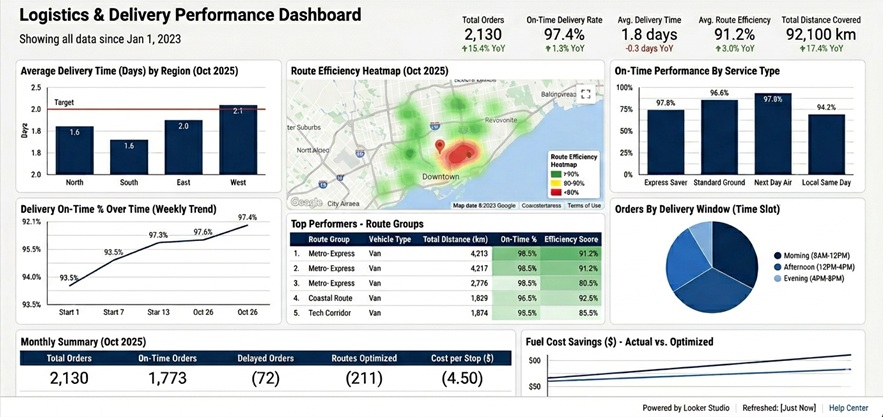
For example, instead of guessing how many products to stock in a warehouse, AI can predict demand based on previous buying patterns and current market signals. This helps businesses avoid overstocking (too much inventory) or stockouts (running out of products)—both of which can be costly.
How AI Demand Forecasting Works
AI systems collect and process data from multiple sources, then use advanced algorithms to forecast demand. These systems continuously learn and improve over time, which means the predictions become more accurate with every cycle.
Why It Matters in Logistics
In logistics and supply chain management, timing and accuracy are everything. AI demand forecasting helps companies:
- Plan inventory more efficiently
- Reduce storage and transportation costs
- Improve delivery speed and customer satisfaction
- Make smarter business decisions based on real data
AI demand forecasting in logistics uses machine learning and predictive analytics to forecast future product demand. It helps businesses optimize inventory, reduce costs, and improve supply chain efficiency by making accurate, data-driven decisions.
Why AI Demand Forecasting is Critical in Modern Logistics
AI demand forecasting has become very important in modern logistics because today’s supply chains are faster, more global, and more unpredictable than ever before. Customers expect quick delivery, accurate stock availability, and low prices, and companies can only meet these expectations with better planning powered by AI.
In simple terms, AI demand forecasting in logistics helps businesses predict future demand more accurately, so they can prepare the right amount of inventory at the right time and in the right place. Without it, companies often face problems like overstocking, stockouts, high storage costs, and delayed deliveries.
1. Reduces Uncertainty in Supply Chain
Traditional forecasting methods rely on old data and human estimates, which often miss sudden changes in demand. AI solves this problem by analyzing real-time data, market trends, weather patterns, and customer behavior. This helps logistics companies stay prepared even when demand changes quickly.
2. Prevents Overstock and Stockouts
One of the biggest challenges in logistics is managing inventory. Too much stock increases storage costs, while too little stock leads to lost sales. AI demand forecasting helps maintain the perfect balance by predicting exactly how much product will be needed. This improves inventory management and warehouse efficiency.
3. Improves Delivery Speed and Customer Satisfaction
When demand is predicted correctly, companies can position products in the right warehouses ahead of time. This reduces delivery delays and ensures faster shipping. As a result, customers receive their orders on time, which increases customer satisfaction and brand trust.
4. Reduces Operational Costs
AI helps logistics companies save money by optimizing inventory levels, transportation routes, and warehouse operations. Better forecasting means fewer emergency shipments, lower storage costs, and less waste. Over time, this leads to significant cost reduction across the supply chain.
5. Supports Data-Driven Decision Making
AI demand forecasting in logistics gives companies clear insights based on real data instead of guesswork. This helps managers make smarter decisions about purchasing, stocking, and distribution strategies. It also improves long-term business planning.
AI demand forecasting is critical in modern logistics because it uses machine learning and real-time data to predict future demand accurately. This helps businesses reduce costs, avoid inventory problems, improve delivery speed, and make better supply chain decisions.
How AI Demand Forecasting Works (Step-by-Step)
AI demand forecasting in logistics works by collecting large amounts of data, cleaning it, analyzing it with smart AI models, and then predicting future demand. In simple words, it helps companies understand what products will be needed, when they will be needed, and how much stock should be kept. This improves accuracy, reduces waste, and strengthens the entire supply chain.
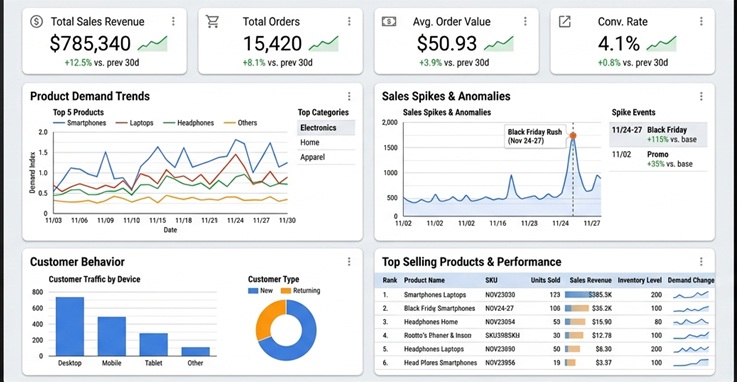
Below is a clear step-by-step breakdown of how AI demand forecasting in logistics actually works.
📊 Data Collection
The first step is gathering data from different sources. AI needs a lot of information to make accurate predictions.
• Historical Sales Data
Companies use past sales records to understand buying patterns. For example, which products sold more during certain months or years.
• Weather, Seasonality, Trends
External factors also matter a lot in predictive demand forecasting in logistics. AI studies:
- Weather conditions (rain, heat, cold)
- Seasonal demand (festivals, holidays, shopping seasons)
- Market trends and customer behavior changes
👉 This data helps AI understand how demand changes over time.
⚙️ Data Processing
After collecting data, the system cleans and prepares it for analysis.
• Data Cleaning & Normalization
In this step, AI:
- Removes duplicate or incorrect data
- Fixes missing values
- Converts data into a standard format
This is very important because clean data leads to more accurate AI supply chain forecasting results.
🤖 AI Models Used
Once the data is ready, AI models start analyzing it to find patterns and make predictions.
• Machine Learning (Regression, Time Series)
Machine learning models study past data and predict future demand based on trends. Time series models are especially useful for understanding how demand changes over time.
• Deep Learning (Neural Networks)
Deep learning models go deeper into complex data patterns. They are useful when demand is affected by many different factors at the same time.
• NLP for Market Trends
Natural Language Processing (NLP) helps AI analyze:
- Customer reviews
- Social media trends
- News and market updates
This adds real-world insights into AI demand forecasting in logistics.
📦 Prediction & Optimization
After analysis, AI creates predictions and helps businesses make smart decisions.
• Demand Prediction
AI predicts:
- How much product will be needed
- Which location will have higher demand
- When demand will increase or drop
• Inventory & Route Optimization
Based on predictions, AI helps:
- Optimize warehouse stock levels
- Reduce overstock and stockouts
- Plan efficient delivery routes
This improves logistics efficiency, reduces costs, and speeds up delivery performance.
🔁 Flow Diagram Suggestion (UX Boost)
To improve user experience and engagement, you can add a simple flow diagram like this:
Data Collection → Data Cleaning → AI Model Processing → Demand Prediction → Inventory & Route Optimization
👉 This visual flow helps users quickly understand the complete AI demand forecasting in logistics process.
AI demand forecasting works by collecting data like sales history, weather, and market trends, cleaning it, and analyzing it using machine learning, deep learning, and NLP models. It then predicts future demand and helps optimize inventory and delivery routes for better logistics performance.
Key Benefits of AI Demand Forecasting in Logistics
AI demand forecasting in logistics is changing how supply chains work. It helps companies make smarter decisions using data instead of guesswork. In simple words, it improves accuracy, saves money, and makes delivery systems faster and more reliable.
Here are the most important benefits of AI demand forecasting in logistics explained in very simple terms.
📈 Accurate Demand Prediction
One of the biggest benefits is better accuracy in predicting future demand. AI studies large amounts of data like past sales, customer behavior, and market trends to forecast what will be needed.
This reduces human errors and helps businesses avoid wrong decisions.
👉 AI demand forecasting in logistics improves prediction accuracy by up to 20–50% compared to traditional methods (industry estimates from supply chain studies).
💰 Reduced Inventory Costs
When demand is predicted correctly, companies do not need to keep extra stock.
This helps reduce:
- Storage costs
- Wastage of unsold products
- Emergency shipping expenses
👉 Many logistics companies report 15–30% reduction in inventory holding costs after using AI-based forecasting systems.
🏭 Better Warehouse Management
AI helps businesses organize warehouses in a smarter way. It tells companies:
- What products should be stored more
- Where to place items for faster picking
- How to avoid overcrowding or empty shelves
This improves warehouse efficiency and space utilization, making operations smoother and faster.
🚚 Improved Delivery Planning
With accurate demand predictions, companies can plan deliveries in advance.
This leads to:
- Faster shipping times
- Fewer delays
- Better route planning for delivery vehicles
In AI supply chain forecasting, this means products reach customers at the right time and in the right place.
⚡ Real-Time Decision Making
Traditional systems take time to analyze data, but AI works in real time. It updates predictions instantly based on new information like sudden demand spikes or market changes.
This helps businesses react quickly and avoid losses.
👉 Example: If demand suddenly increases due to a festival or trend, AI immediately adjusts the forecast so companies can restock faster.
📊 Industry Impact (Authority Boost)
According to global supply chain reports:
- Companies using AI in logistics improve forecast accuracy by up to 50%
- Operational efficiency increases by 20–40%
- Overall logistics costs can drop by 15–30%
These numbers show why AI demand forecasting in logistics is becoming essential for modern businesses.
🧠 Simple Example
If a retail company sells winter jackets, AI can predict:
- Higher demand in cold months
- Lower demand in summer
- Exact quantity needed in each region
So the company avoids overstock in summer and shortages in winter.
AI demand forecasting in logistics provides accurate demand prediction, reduces inventory costs, improves warehouse management, enhances delivery planning, and enables real-time decision-making. It helps companies reduce costs by up to 30% and improve forecasting accuracy by up to 50%.
Real-World Use Cases & Examples of AI Demand Forecasting in Logistics
AI demand forecasting in logistics is not just theory—it is actively used by top companies across the world. It helps businesses predict demand more accurately, reduce waste, and improve supply chain performance. Let’s look at real-world use cases in simple words, along with mini case studies.
🛒 eCommerce (Amazon-like Logistics)
In eCommerce, demand changes very quickly. Products can go viral overnight, and demand can spike without warning.
📌 Problem
Online retailers often face:
- Sudden increase in product demand
- Stockouts during peak sales
- High return and storage costs
🤖 AI Solution
AI demand forecasting in logistics analyzes:
- Customer browsing behavior
- Purchase history
- Seasonal shopping trends
- Real-time search data
It predicts which products will sell more and where demand will increase.
📈 Result
- Faster delivery times
- Better stock availability
- Up to 30–50% improvement in inventory accuracy
- Reduced missed sales opportunities
🏬 Retail Supply Chains
Retail stores need to manage thousands of products across multiple locations. Demand can vary from store to store.
📌 Problem
- Overstock in some stores
- Stock shortages in others
- Poor demand visibility across locations
🤖 AI Solution
AI systems analyze local buying patterns, regional trends, and seasonal demand to forecast product needs for each store separately.
📈 Result
- Smarter inventory distribution
- Reduced waste and overstock
- Improved sales performance across all stores
- 15–25% reduction in inventory holding costs
🏭 Manufacturing Industry
Manufacturers must produce goods based on future demand, not just current orders.
📌 Problem
- Overproduction leads to waste
- Underproduction leads to delays
- Difficulty predicting raw material needs
🤖 AI Solution
AI demand forecasting in logistics predicts:
- Product demand in advance
- Raw material requirements
- Production planning schedules
📈 Result
- Efficient production planning
- Reduced material waste
- Lower manufacturing costs
- Better supply chain coordination
🍎 Food & Perishable Goods Logistics
Food supply chains are very sensitive because products expire quickly.
📌 Problem
- Food wastage due to overstocking
- Stock shortages in supermarkets
- Difficulty managing short shelf-life items
🤖 AI Solution
AI analyzes:
- Weather conditions
- Local demand trends
- Expiry and freshness data
- Seasonal consumption patterns
📈 Result
- Reduced food waste by up to 20–40%
- Better stock rotation
- Fresher products for customers
- Improved supply chain sustainability
AI demand forecasting in logistics is used in eCommerce, retail, manufacturing, and food supply chains to predict demand more accurately. It helps reduce costs, prevent stock issues, improve delivery speed, and optimize inventory management using real-time data and machine learning.
How to Implement AI Demand Forecasting in Your Logistics Business
Implementing AI demand forecasting in logistics is not just about using software. It is about building a smart system that helps your business predict demand, reduce costs, and improve supply chain performance. In simple words, it means using data and AI to make better planning decisions for inventory, delivery, and operations.
Below is a clear step-by-step guide to help you successfully apply AI demand forecasting in logistics in your business.
1. 🎯 Identify Business Goals
The first step is to clearly understand what you want to achieve with AI forecasting.
You should define goals like:
- Reduce inventory costs
- Improve delivery speed
- Avoid stockouts and overstock
- Improve customer satisfaction
👉 Clear goals help design a better AI supply chain forecasting strategy.
2. 📊 Collect & Clean Data
Data is the foundation of AI systems. Without good data, forecasting will not work properly.
You need to collect:
- Historical sales data
- Customer purchase behavior
- Seasonal demand patterns
- Warehouse and inventory data
- Market and external trends
After collection, clean the data by:
- Removing errors and duplicates
- Fixing missing values
- Standardizing formats
👉 Clean data improves accuracy in predictive demand forecasting in logistics.
3. 🧠 Choose AI Tools / Platform
Now select the right AI tools based on your business size and needs.
Popular options include:
- AI-powered forecasting platforms
- Machine learning-based analytics tools
- Cloud-based supply chain solutions
The right tool should support:
- Real-time data processing
- Scalability
- Easy integration with your existing systems
👉 This step is key for building a strong logistics demand prediction system.
4. 🤖 Train AI Models
Once the platform is ready, AI models are trained using your business data.
This includes:
- Feeding historical data into the system
- Using machine learning algorithms
- Teaching the system to recognize patterns
Over time, the model learns:
- How demand changes
- What factors affect sales
- How to improve prediction accuracy
👉 This is the core of AI demand forecasting in logistics.
5. 📈 Monitor & Optimize
AI forecasting is not a one-time setup. It must be continuously monitored and improved.
You should:
- Track forecast accuracy
- Compare predicted vs actual demand
- Update models with new data
- Adjust strategies when needed
👉 Continuous improvement leads to better AI supply chain forecasting performance.
Implementing AI forecasting can be complex, especially for growing logistics businesses. That’s why working with experts can save time and improve results.
👉 If you want to build a powerful and accurate AI-driven logistics system, you can hire an AI development company like Cor Advance Solutions to design, develop, and optimize your forecasting solution for maximum efficiency and ROI.
AI Demand Forecasting vs Traditional Forecasting
Understanding the difference between AI demand forecasting and traditional forecasting is very important for modern logistics businesses. Both methods aim to predict future demand, but the way they work is completely different. In simple words, AI demand forecasting in logistics is faster, smarter, and more accurate compared to traditional methods.
Let’s break it down in an easy and clear way.
📊 Traditional Forecasting (Old Method)
Traditional forecasting depends mainly on human experience and historical data. It uses simple statistical methods like averages, past sales trends, and manual calculations.
How it works:
- Analysts study past sales data
- They apply basic formulas or spreadsheets
- Forecasts are created manually
- Updates are done occasionally (not in real time)
Limitations:
- Slow and time-consuming
- Less accurate during sudden market changes
- Cannot analyze large or complex data
- Heavily depends on human judgment
👉 Traditional forecasting often struggles in fast-moving markets like eCommerce and global logistics.
🤖 AI Demand Forecasting (Modern Method)
AI demand forecasting in logistics uses machine learning, big data, and real-time analytics to predict future demand more accurately.
How it works:
- Collects large volumes of real-time and historical data
- Uses AI and machine learning models
- Identifies hidden patterns and trends
- Continuously improves predictions over time
Advantages:
- High accuracy in demand prediction
- Works in real time
- Handles large and complex datasets easily
- Adapts quickly to market changes
👉 This makes AI supply chain forecasting much more powerful than traditional methods.
📊 Key Differences (Simple Comparison Table)
| Feature | Traditional Forecasting | AI Demand Forecasting |
| Data Usage | Limited historical data | Big data + real-time data |
| Accuracy | Moderate | High (up to 50% better) |
| Speed | Slow and manual | Fast and automated |
| Adaptability | Low | High and dynamic |
| Decision Making | Human-based | Data-driven |
| Scalability | Limited | Highly scalable |
🚚 Real-World Impact in Logistics
In real logistics operations, the difference is very clear:
- Traditional methods may lead to overstock or stockouts
- AI systems help maintain optimal inventory levels
- Delivery planning becomes faster and more efficient
- Businesses reduce costs and improve customer satisfaction
👉 That’s why companies are rapidly shifting to AI demand forecasting in logistics for better performance.
AI demand forecasting uses machine learning and real-time data to predict future demand with high accuracy, while traditional forecasting relies on manual calculations and past data. AI is faster, more accurate, and better suited for modern logistics compared to traditional methods.
FAQs
What is AI demand forecasting in logistics?
AI demand forecasting in logistics is the use of machine learning and data analytics to predict future product demand with high accuracy. It helps logistics companies understand what products will be needed, when, and in what quantity. This improves inventory planning, reduces waste, and lowers overall supply chain costs. It also supports better decision-making by using real-time and historical data instead of guesswork.
How does AI improve demand forecasting accuracy?
AI improves demand forecasting accuracy by analyzing large volumes of data such as sales history, customer behavior, weather, and market trends. Unlike traditional methods, AI detects hidden patterns and continuously learns from new data. This allows businesses to get real-time and more reliable predictions. As a result, companies can better manage inventory and avoid overstock or stockouts.
Which industries benefit most from AI forecasting?
AI demand forecasting is most useful in industries where demand changes frequently. This includes eCommerce, retail, manufacturing, and supply chain logistics. These industries deal with large product volumes and unpredictable customer demand. AI helps them improve planning, reduce costs, and ensure products are always available when needed.
Is AI demand forecasting expensive?
AI demand forecasting can have a high initial setup cost due to tools, data systems, and skilled experts. However, it delivers strong long-term benefits like cost savings, better inventory control, and improved efficiency. Over time, businesses often see a high return on investment (ROI). This makes it a profitable solution for growing logistics companies.
What tools are used in AI logistics forecasting?
Some of the most popular tools used in AI logistics forecasting include SAP IBP, Oracle Demand Management, and Amazon Forecast. These platforms use machine learning and advanced analytics to predict demand accurately. They help businesses optimize supply chains, manage inventory, and improve delivery performance. Each tool is designed to support scalable and data-driven logistics operations.