
1. Introduction: The Growing Role of AI in Education
Artificial Intelligence is rapidly changing how students learn and how teachers teach. AI in Education refers to the use of intelligent computer systems that can analyse data, adapt to student needs, and support teaching processes. These technologies include smart tutoring systems, automated grading tools, AI chatbots, and personalised learning platforms. Today, artificial intelligence in education is becoming a key part of modern classrooms, online learning platforms, and university research systems.
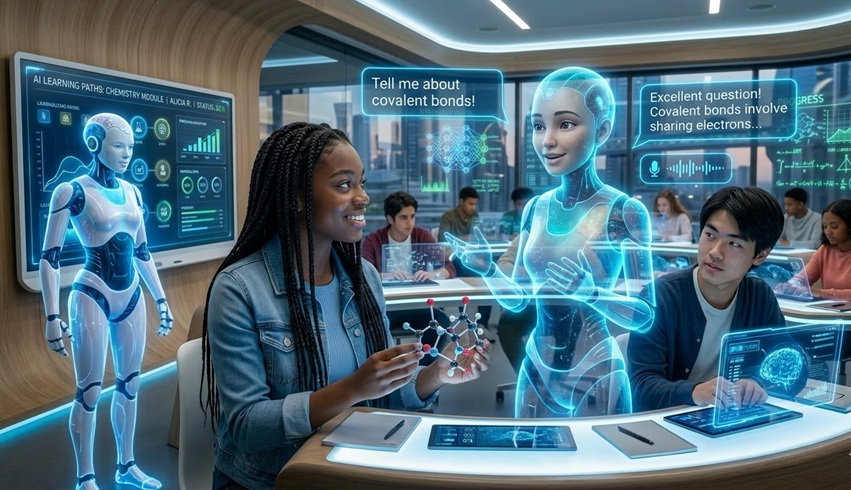
In simple terms, AI learning technology helps machines understand how students learn and then adjust the learning experience accordingly. Instead of providing the same content to every student, AI systems analyse learning behaviour and deliver customised lessons, quizzes, and feedback. This approach improves understanding and helps students learn at their own pace.
Why AI Is Becoming Essential in Modern Learning Environments
Education is changing quickly due to digital transformation. Traditional classroom models often struggle to meet the needs of millions of students with different learning abilities. AI in education helps solve this problem by creating more personalised and efficient learning experiences.
AI tools support both teachers and students in several ways:
- Personalised learning: AI systems adapt lessons based on each student’s strengths and weaknesses.
- Automated grading: Teachers can save time because AI can check assignments and tests automatically.
- Smart tutoring systems: AI tutors provide instant feedback and explanations.
- Learning analytics: AI analyses student data to identify learning gaps early.
For example, adaptive learning platforms can change the difficulty level of questions depending on how a student performs. This makes learning more engaging and effective compared with traditional teaching methods.
Another important benefit is accessibility. AI technologies such as speech recognition, language translation, and text-to-speech tools help students with disabilities access educational content more easily. As a result, the future of education AI is strongly connected to inclusive learning.
Global Adoption of AI Technologies in Schools and Universities
The adoption of AI learning technology is increasing worldwide. Schools, universities, and EdTech companies are investing heavily in AI-powered education tools.
Recent studies show that many educational institutions have already integrated AI into their systems. Around 58% of higher education institutions globally have implemented AI tools in their curriculum or administrative systems.
In addition, more than 60% of universities now use AI-based chatbots to answer student queries, improving communication and reducing administrative workload.
AI is also becoming common in K-12 education. Many schools use AI systems for automated grading, personalised lesson planning, and performance analysis. As online learning continues to grow, AI-powered platforms are helping educators manage large numbers of students more effectively.
Major technology companies and governments are also investing in AI education initiatives. For example, large-scale programmes are being introduced to integrate AI tools into schools and universities to prepare students for future digital careers.
Statistics on AI Adoption in Education
Recent data clearly shows that AI in education is growing rapidly across the world:
- 70% of educational institutions are expected to adopt AI-powered tools by 2025.
- 60% of higher education institutions already use AI technologies in some form.
- 85% of educators believe AI can significantly improve personalised learning experiences.
- 62% of students say they are more engaged when AI tools are used in learning.
- The AI in education market is expected to reach more than $31 billion by 2026, showing strong global demand for AI-based learning solutions.
These statistics demonstrate that artificial intelligence is no longer an experimental technology in education. Instead, it is becoming a core part of modern learning systems worldwide.
How AI Improves Learning Efficiency, Personalisation, and Accessibility
One of the biggest advantages of artificial intelligence in education is its ability to create personalised learning experiences. Traditional classrooms often follow a “one-size-fits-all” model, but AI systems analyse student data to provide tailored learning paths.
For example:
- AI-powered platforms recommend lessons based on a student’s progress.
- Intelligent tutoring systems provide step-by-step explanations for complex subjects.
- Learning analytics help teachers identify struggling students earlier.
Studies also show that AI-based tutoring systems can improve student test scores by around 20% in pilot programmes, demonstrating the potential of AI learning technology to improve academic performance.
AI also increases accessibility in education. Students with visual, hearing, or language difficulties can use AI-powered tools such as voice assistants, real-time translation, and speech recognition software to access learning materials more easily.
The Future of Education with AI
The rapid adoption of AI technologies shows that AI in education will play a major role in shaping the future of learning. Schools and universities are moving towards intelligent learning systems that combine human teaching with advanced AI tools.

In the coming years, the future of education AI will likely include:
- Fully personalised digital learning platforms
- AI-powered virtual tutors available 24/7
- Smart classrooms that analyse student engagement in real time
- Automated administrative systems that allow teachers to focus more on teaching
While human teachers will always remain essential, AI will act as a powerful support system that improves teaching quality and student outcomes.
In short, AI learning technology is transforming education from a traditional system into a more personalised, efficient, and accessible learning environment. As AI continues to evolve, it will play an increasingly important role in preparing students for the digital world and future careers.
2. What Is AI in Education?
Artificial Intelligence (AI) in education refers to the use of advanced computer technologies that can analyse data, learn from patterns, and make intelligent decisions to improve the learning process. In simple words, AI in education uses smart algorithms and digital systems to understand how students learn and helps teachers deliver better learning experiences.
Today, schools, universities, and online learning platforms are increasingly using AI-powered education systems to personalise learning, automate routine teaching tasks, and provide deeper insights into student performance. These technologies analyse large amounts of educational data, such as student behaviour, quiz results, learning speed, and engagement levels. Based on this information, AI systems can recommend personalised lessons, identify learning gaps, and support teachers in making better educational decisions.
One of the biggest advantages of artificial intelligence in education is that it makes learning more personalised. Every student learns at a different pace, and AI systems can adjust the content, difficulty level, and teaching style based on each student’s needs. This approach is known as adaptive learning, and it helps students understand concepts more effectively while improving their academic performance.
In addition to improving learning outcomes, AI technology in education also helps automate many time-consuming tasks for teachers. Activities such as grading assignments, analysing test results, tracking attendance, and monitoring student progress can be performed automatically by AI systems. This allows teachers to focus more on mentoring students, developing creative lessons, and providing individual support.
AI is also playing an important role in modern digital learning platforms, where intelligent systems guide students through courses, provide instant feedback, and suggest learning resources based on their progress. As educational institutions continue to adopt digital transformation, AI-driven learning platforms are becoming an essential part of modern classrooms.
Key Technologies Used in AI Education Systems
Several advanced technologies work together to make AI in education effective and intelligent. These technologies allow machines to analyse information, understand human language, and recognise patterns in learning behaviour.
Machine Learning in Education
Machine Learning is one of the most important technologies behind AI-powered learning systems. It allows computers to analyse large amounts of student data and identify patterns in how students learn.
For example, machine learning algorithms can track student performance in quizzes, assignments, and online activities. By analysing this data, the system can predict which topics students may struggle with and recommend additional lessons or exercises. This helps create a personalised learning experience for every student.
Machine learning also powers recommendation systems used in online education platforms, suggesting courses, practice tests, and study materials that match a student’s learning needs.
Natural Language Processing (NLP)
Natural Language Processing (NLP) enables AI systems to understand and respond to human language. This technology allows students to interact with educational platforms using voice or text, making learning more natural and accessible.
NLP is commonly used in AI-powered chatbots, virtual tutors, and automated writing evaluation systems. These systems can answer student questions, explain complex topics, and provide instant feedback on essays or assignments.
For example, an AI tutor can analyse a student’s written answer, detect grammar mistakes, and suggest improvements, helping students improve their communication and writing skills.
Computer Vision
Computer Vision allows AI systems to analyse images and videos. In education, this technology is used to monitor classroom engagement, recognise handwritten notes, and support interactive learning tools.
For example, computer vision can be used in digital classrooms and smart boards to recognise handwritten mathematical equations or diagrams. It can also help in remote learning environments by tracking student attention and participation during virtual classes.
Predictive Analytics
Predictive analytics in education uses AI algorithms to forecast student outcomes based on historical data. By analysing patterns in grades, attendance, participation, and behaviour, AI systems can predict which students may need additional support.
Schools and universities use predictive analytics to identify at-risk students, improve retention rates, and provide timely academic guidance. This proactive approach helps educators intervene early and support students before problems become serious.
Intelligent Tutoring Systems
Intelligent tutoring systems (ITS) are AI-powered platforms designed to provide personalised teaching similar to a human tutor. These systems analyse how students solve problems, identify their strengths and weaknesses, and adapt lessons accordingly.
Unlike traditional learning systems, intelligent tutors can provide step-by-step guidance, hints, and feedback in real time. This makes learning more interactive and effective, especially for subjects like mathematics, science, and programming.
Example Use Cases of AI in Education
AI is already transforming classrooms and online learning environments through a wide range of practical applications.
AI-Powered Tutoring Platforms
AI tutoring platforms act as virtual teachers, helping students learn independently outside the classroom. These systems analyse student responses, track learning progress, and adjust lessons to match the student’s level.
Students receive instant feedback, personalised practice questions, and guided explanations, which helps them understand difficult concepts more quickly.
Automated Grading Systems
Grading assignments and exams can take a significant amount of time for teachers. Automated grading systems powered by AI can evaluate multiple-choice tests, short answers, and even essays.
These systems analyse language patterns, grammar, and structure to assess written responses. By automating grading tasks, teachers can save time and focus more on teaching and student engagement.
Smart Learning Platforms
Modern smart learning platforms use artificial intelligence to create personalised learning paths. Instead of following a fixed curriculum, students receive customised lessons based on their performance and interests.
These platforms can recommend videos, exercises, and quizzes that help students improve in specific subjects. As a result, learning becomes more engaging and efficient.
Student Performance Analytics
Another powerful use of AI in education systems is student performance analytics. AI tools collect and analyse learning data such as test scores, assignment results, attendance records, and participation levels.
Educators can use this data to identify learning trends, measure academic progress, and improve teaching strategies. This data-driven approach helps schools make better decisions and ensure that every student receives the support they need.
3. Why AI Is Becoming Essential in Modern Education
Artificial Intelligence is quickly becoming a vital part of modern education systems around the world. As classrooms become more digital and student needs become more diverse, traditional teaching methods alone are no longer enough. AI in education helps schools, universities, and online learning platforms deliver smarter, faster, and more personalised learning experiences.
Today’s students learn in different ways and at different speeds. Some understand concepts quickly, while others need more time and practice. With the help of artificial intelligence in education, learning systems can analyse student behaviour, track progress, and adjust lessons automatically. This ability to adapt makes AI one of the most powerful technologies transforming the future of education.
Another major reason why AI-powered education systems are becoming essential is the rapid growth of digital learning. Online classrooms, virtual learning tools, and intelligent study platforms are now widely used by students across the world. AI helps manage these systems efficiently by organising learning content, providing instant feedback, and supporting both teachers and students.
In addition, modern schools are increasingly relying on data-driven education systems. By analysing educational data, institutions can identify learning patterns, improve curriculum design, and support students more effectively. AI plays a key role in making this data useful and actionable.
Increasing Demand for Personalised Learning
One of the biggest reasons why AI in modern education is growing rapidly is the rising demand for personalised learning.
In traditional classrooms, teachers usually deliver the same lesson to all students. However, not every student learns at the same pace. Some students may grasp a topic quickly, while others may need additional explanations and practice. Artificial intelligence solves this problem by creating adaptive learning environments that adjust according to each student’s needs.
AI-powered learning systems analyse several factors such as:
- Student quiz results
- Learning speed
- Engagement levels
- Previous academic performance
- Interaction with study materials
Using this information, AI platforms can recommend personalised lessons, practice questions, and study resources. If a student struggles with a specific topic, the system provides additional support. If a student learns quickly, the platform can introduce more advanced material.
This personalised approach helps improve understanding, boosts student confidence, and increases overall learning efficiency. As a result, personalised learning powered by AI is becoming a major focus for modern educational institutions.
Growing Digital Learning Ecosystem
Another important reason why AI technology in education is becoming essential is the rapid growth of the digital learning ecosystem. Over the past decade, education has moved far beyond traditional classrooms, and digital platforms now play a major role in how students learn.
AI helps manage and improve these digital systems, making learning more accessible, interactive, and effective.
Online Learning Platforms
Online learning platforms have become extremely popular among students, professionals, and educational institutions. These platforms provide courses, lectures, assignments, and interactive learning materials through the internet.
AI improves these platforms by recommending courses based on student interests, tracking learning progress, and suggesting additional resources when needed. This creates a more structured and personalised learning journey for each user.
Remote Learning Tools
Remote learning tools allow students and teachers to connect from anywhere in the world. Virtual classrooms, video lectures, and digital collaboration tools make it possible for education to continue even when students cannot attend physical classes.
AI supports remote learning by analysing student participation, tracking engagement during online classes, and identifying learners who may need additional attention. This ensures that students remain active and involved in the learning process.
AI Learning Assistants
AI learning assistants act as virtual tutors that help students outside the classroom. These intelligent systems can answer questions, explain difficult topics, and guide students through lessons step by step.
Students can interact with AI assistants through text or voice, making learning more convenient and accessible. These assistants are available 24/7, which means students can receive help whenever they need it.
As the digital learning ecosystem continues to grow, AI will play an even bigger role in improving online education and supporting both teachers and learners.
Need for Data-Driven Education Systems
Modern education is increasingly becoming data-driven, meaning that schools and universities rely on data analysis to improve teaching strategies and student outcomes. Artificial intelligence makes it possible to analyse large amounts of educational data quickly and accurately.
Educational institutions collect data from many sources, including:
- Student test scores
- Assignment results
- Attendance records
- Learning behaviour on digital platforms
- Classroom participation
AI systems analyse this data to identify trends, strengths, and weaknesses in student performance. For example, if many students struggle with a particular topic, educators can update the curriculum or teaching method to address the issue.
Data-driven education also helps identify students who may be at risk of falling behind. AI tools can detect early warning signs and alert teachers, allowing them to provide timely support and guidance.
By using AI-powered data analysis in education, schools can make smarter decisions, improve teaching quality, and increase student success rates. This approach ensures that educational systems become more efficient, responsive, and focused on real learning outcomes.
The Future Role of AI in Education
As technology continues to evolve, AI in education will become even more important. Personalised learning, intelligent tutoring systems, predictive analytics, and smart learning platforms will continue to reshape how knowledge is delivered and understood.
In the future, AI will help create more inclusive education systems, support lifelong learning, and make quality education accessible to students everywhere. For this reason, artificial intelligence is no longer just an innovation in education—it is becoming an essential foundation for the future of learning.
4. Key Benefits of AI in Education
Artificial Intelligence is transforming how students learn and how teachers teach. The benefits of AI in education are becoming increasingly clear as schools, universities, and online learning platforms adopt intelligent technologies to improve learning outcomes.
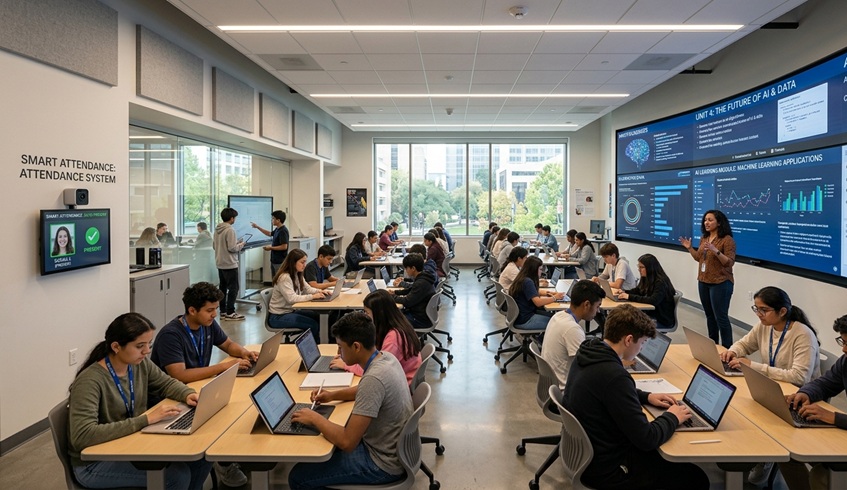
AI-powered education systems analyse large amounts of learning data, understand student behaviour, and adapt teaching methods to meet individual needs. This makes education more personalised, efficient, and accessible. From automating administrative tasks to providing data-driven learning insights, artificial intelligence is helping create smarter and more effective educational environments.
Below are some of the most important advantages of AI in education that are shaping the future of modern learning.
1. Personalised Learning Experience
One of the biggest benefits of AI in modern education is the ability to deliver personalised learning experiences for every student.
In traditional classrooms, teachers often have to teach the same lesson to an entire class. However, students have different learning speeds, strengths, and challenges. Artificial intelligence solves this problem by analysing each student’s learning behaviour and adapting lessons accordingly.
AI systems collect and analyse information such as:
- Student quiz scores
- Time spent on lessons
- Learning patterns
- Areas where students struggle
Based on this data, AI-powered adaptive learning platforms can customise lessons to match a student’s level of understanding. If a student is struggling with a topic, the system can provide extra practice, simpler explanations, or additional study materials. If a student learns quickly, the system can introduce more advanced topics.
This personalised approach improves understanding, boosts student confidence, and allows learners to progress at their own pace. As a result, personalised AI learning systems are becoming a key feature of modern digital education.
2. Automated Administrative Tasks
Another major advantage of artificial intelligence in education is the automation of routine administrative tasks. Teachers often spend a large amount of time on activities such as grading assignments, organising schedules, and managing student records.
AI technology helps automate these tasks, allowing educators to focus more on teaching and student engagement.
AI Grading Systems
AI-powered grading tools can automatically evaluate multiple-choice tests, quizzes, and even written assignments. These systems analyse answers, detect patterns, and provide quick results.
Automated grading not only saves time but also ensures consistent and objective evaluation. Teachers can receive detailed reports on student performance, helping them identify areas where students need improvement.
Automated Scheduling
AI systems can also help manage class schedules, exam timetables, and academic planning. By analysing factors such as classroom availability, teacher schedules, and course requirements, AI can create efficient and balanced timetables.
Reduced Workload for Teachers
By automating repetitive tasks, AI significantly reduces the workload for teachers. This allows educators to spend more time designing creative lessons, mentoring students, and improving the overall learning experience.
3. Improved Student Performance
Another important benefit of AI-powered learning systems is their ability to improve student performance.
Artificial intelligence can analyse student progress in real time and detect areas where learners are struggling. For example, if a student repeatedly makes mistakes in a specific topic, the AI system identifies the weakness and provides targeted learning resources.
These may include:
- Additional exercises
- Video explanations
- Practice quizzes
- Step-by-step learning guides
By offering personalised support at the right time, AI helps students overcome learning challenges before they become serious problems. This proactive approach leads to better understanding, higher academic performance, and improved learning outcomes.
4. Enhanced Accessibility for Students
Artificial intelligence is also making education more accessible for students with different learning needs and abilities. AI accessibility tools in education help ensure that more students can participate fully in the learning process.
For example, AI technologies can support students with disabilities by providing specialised learning tools such as:
- Speech recognition systems that convert spoken words into text
- Text-to-speech tools that read educational content aloud
- Language translation tools that help students understand lessons in different languages
These technologies allow students with visual, hearing, or language barriers to access educational content more easily. As a result, AI is helping create a more inclusive and equitable education system.
5. Better Learning Analytics
One of the most powerful features of AI in education technology is its ability to analyse large amounts of learning data. This process is known as learning analytics.
Educational institutions collect data from various sources, including:
- Student test results
- Homework and assignment scores
- Attendance records
- Online learning activities
- Classroom engagement levels
AI systems analyse this data to identify patterns in student behaviour and academic performance. Schools can use these insights to improve teaching methods, adjust curriculum design, and support students more effectively.
For example, if many students struggle with a particular topic, educators can modify the lesson structure or introduce additional learning resources.
With the help of AI-powered learning analytics, schools can make smarter educational decisions and improve overall student success rates.
The Growing Importance of AI in Education
The benefits of artificial intelligence in education go far beyond simple automation. AI is helping create a more personalised, efficient, and inclusive learning environment for students around the world.
By improving personalised learning, reducing administrative workloads, supporting student performance, increasing accessibility, and enabling data-driven education, AI is becoming an essential part of modern educational systems.
As technology continues to evolve, the role of AI-driven education platforms will only grow stronger, helping shape a smarter and more innovative future for global learning.
5. Real‑World Examples of AI in Education (UK & Europe)
Artificial Intelligence (AI) in education is no longer a future idea – it is happening right now in academies, schools and universities across the UK and Europe. Leading educational institutions are using smart adaptive learning systems, AI tutoring assistants, and other AI‑driven solutions to personalise learning, support teachers, and improve outcomes. These real examples show how AI in education is making learning better for students and staff alike.
AI in Online Learning Platforms – Real Examples
Online learning platforms powered by AI have transformed how students study, both inside and outside the classroom:
- Adaptive learning systems tailor content based on each learner’s strengths and weaknesses. For example, platforms used in UK secondary schools adjust lesson difficulty in real time so learners can progress at their own pace.
- AI tutoring assistants are now part of many learning systems. Tools like Teachally help teachers create personalised lesson materials, and AI chatbots can answer student questions instantly.
- UK‑based adaptive platforms track performance and adjust learning paths, making online education more personalised and effective for students.
These AI online learning platforms are especially valuable during remote study or revision periods, offering students support beyond the classroom.
AI in Universities – Changing Higher Education
Universities across the UK and Europe are using AI to support learning, research, and student services:
- Many UK universities now use AI research tools and systems that personalise study plans. For instance, AI tutors at the University of Edinburgh help coding students by analysing their work and giving feedback, reducing time spent stuck on problems.
- The Open University uses predictive learning analytics that help students with personalised support in distance learning.
- Across Europe, universities like the University of Jaén in Spain are using AI to automate exam creation and support academic data‑driven decisions.
- European universities also embrace tools such as Google’s AI‑powered education services, improving faculty productivity and student support.
These examples of AI in universities show how artificial intelligence improves teaching quality, streamlines research tasks, and enhances student outcomes.
AI in Schools – Transforming Daily Learning
Schools in the UK and Europe are integrating AI to make everyday learning more efficient and engaging:
- Smart classrooms use AI tools that provide personalised tasks and real‑time feedback, helping learners stay engaged and supported in core subjects.
- Some schools integrate automated attendance systems that use AI technology to record presence and participation more accurately, freeing up time for teachers to focus on learning.
- AI chatbots are helping students with homework help, personalised answers, and guidance on school tasks, improving accessibility to support.
In UK primary and secondary settings, these AI in schools examples demonstrate how technology adds value both in the classroom and beyond.
Trusted AI Education Tools & Platforms
Here are some notable platforms making a real impact in AI education across academies, schools, and universities:
✔ Teachally – AI lesson planning for teachers.
✔ Synap – AI‑enhanced quiz and assessment tool.
✔ Firefly Learning – Virtual learning environment used in UK schools.
✔ Unibuddy – Student engagement platform for universities.
✔ AI chatbots and assistants like those developed in colleges that answer queries about timetables and courses.
These tools show how AI learning tools not only personalise education but also save time and help educators focus on what matters most – great teaching.
6. How AI Is Transforming Teaching Methods
Artificial Intelligence (AI) is changing the way teachers teach and students learn. In schools, academies, and universities across the UK and Europe, AI-assisted teaching is becoming an essential part of modern education. By using AI tools, educators can make lessons more engaging, personalised, and effective for every student.
AI-Assisted Teaching
Teachers are now using AI-assisted teaching methods to improve classroom learning. AI helps in analysing student performance, suggesting improvements, and highlighting topics where students need extra help. This technology allows teachers in schools, colleges, and universities to save time while making lessons more interactive and meaningful.
Smart Content Creation
One of the biggest advantages of AI in education is smart content creation. AI can generate learning materials automatically, which helps teachers focus on teaching rather than spending hours preparing resources. With AI, educators can quickly create:
- Quizzes – personalised to match each student’s level.
- Assignments – tailored to test specific skills and knowledge.
- Lesson Plans – structured plans that meet curriculum standards.
This not only saves time but also ensures that learning materials are more relevant and engaging for students.
Intelligent Tutoring Systems
AI-driven intelligent tutoring systems are changing the way students study. These AI tutors provide 24/7 learning support, answering questions and guiding students at their own pace. Whether it is practising maths, science, or language skills, AI tutors can adapt to each learner’s needs, making personalised learning possible outside the classroom.
With AI in education, teaching is no longer one-size-fits-all. Schools, academies, and universities in the UK and Europe are seeing improvements in student engagement, learning outcomes, and overall efficiency. By embracing AI-assisted teaching, educators can offer smarter, faster, and more personalised learning experiences than ever before.
7. AI-Powered Personalised Learning Systems
AI-powered personalised learning systems are transforming education in schools, academies, and universities across the UK and Europe. These systems use advanced AI technology to understand each student’s learning habits and adapt lessons to suit individual needs.
How AI Analyses Students
AI starts by analysing various student data to understand how learners behave and progress:
- Student Behaviour – AI observes how students interact with learning materials, noting which topics they find easy or difficult.
- Performance Data – AI tracks quiz results, assignment scores, and exam outcomes to identify strengths and weaknesses.
- Engagement Levels – AI monitors attention and participation, checking how long students spend on tasks and which activities keep them engaged.
By studying these patterns, AI creates a detailed picture of each student’s learning journey.
How AI Adapts Learning
Once AI has analysed the data, it adapts teaching materials and strategies to maximise learning:
- Learning Material – AI recommends content that matches each student’s knowledge level, ensuring they learn at their own pace.
- Difficulty Level – AI adjusts the complexity of exercises and lessons, making them challenging enough to promote growth without causing frustration.
- Study Recommendations – AI suggests personalised study plans, revision exercises, and additional resources tailored to each learner’s needs.
With AI-powered personalised learning systems, students receive lessons designed just for them. This not only improves understanding but also keeps learners motivated and engaged. Schools, academies, and universities in the UK and Europe are increasingly adopting these systems to provide smarter, more effective education for every student.
8. AI in Student Assessment and Performance Analysis
AI is transforming the way schools, academies, and universities in the UK and Europe assess students and analyse their performance. By using AI in student assessment, educators can save time, gain accurate insights, and support learners more effectively.
Automated Grading
One of the key applications of AI in education is automated grading. AI can quickly evaluate assignments, quizzes, and tests, providing instant feedback to students. This helps teachers save hours of manual marking and ensures consistency in grading. Automated grading also allows students to understand their strengths and weaknesses immediately, so they can focus on improving their skills.
Predictive Student Analytics
AI also uses predictive analytics to support student success. By analysing past performance data, engagement levels, and learning patterns, AI can predict:
- Exam Performance – forecasting how students are likely to perform in upcoming exams.
- Dropout Risk – identifying students who may struggle or leave courses early, allowing timely interventions.
- Academic Success – recognising students with high potential and providing them with personalised recommendations to reach their goals.
With predictive student analytics, schools and universities can make data-driven decisions to support every learner. This technology helps educators not only track performance but also guide students toward academic success.
AI in student assessment and performance analysis ensures that learning is more precise, personalised, and effective. Schools, academies, and universities across the UK and Europe are increasingly adopting these AI tools to enhance education quality and improve student outcomes.
9. The Role of AI in Online and Remote Learning
The COVID-19 pandemic changed the way students learn, and AI has become a key player in shaping online and remote education. Schools, academies, and universities across the UK and Europe are now using AI to make learning more flexible, engaging, and personalised.
AI-Powered Learning Platforms
AI-powered learning platforms provide students with a digital environment where lessons, quizzes, and interactive content are tailored to their individual needs. These platforms analyse student behaviour and performance to ensure learners receive the right content at the right time. By using AI, educators can offer a personalised learning journey that boosts understanding and retention.
Virtual Classrooms
AI enhances virtual classrooms by making online lessons more interactive and efficient. AI tools can monitor participation, identify students who need extra help, and provide real-time insights to teachers. Virtual classrooms now go beyond simple video calls, offering immersive learning experiences that simulate a physical classroom environment.
AI Learning Assistants
AI learning assistants act as personal tutors for students, available 24/7. These assistants answer questions, guide students through complex topics, and provide instant feedback. With AI learning assistants, learners can study at their own pace, getting help whenever they need it, which is especially useful in online and remote education.
Smart Course Recommendations
AI also provides smart course recommendations based on each student’s interests, skills, and performance. By analysing learning patterns, AI suggests the most suitable courses, modules, or activities. This ensures that students focus on the areas that matter most to their academic growth and career goals.
By integrating AI into online and remote learning, schools, academies, and universities in the UK and Europe can deliver personalised, engaging, and efficient education. AI is not just a tool—it is shaping the future of post-pandemic learning, making education smarter and more accessible for everyone.
10. Challenges and Ethical Concerns of AI in Education
While AI is transforming education, it also comes with challenges and ethical considerations. Schools, academies, and universities across the UK and Europe must carefully address these concerns to ensure that AI is used responsibly and effectively.
Data Privacy Issues
One of the main concerns is data privacy. AI systems in education collect a lot of student information, including performance, engagement, and personal details. Protecting this data is crucial to prevent misuse or breaches. Schools and universities must follow strict regulations to safeguard student privacy and maintain trust in AI-powered learning systems.
AI Bias in Education
Another challenge is AI bias. AI algorithms can sometimes provide recommendations that are unfair or biased, especially if the data used to train them is not diverse. This can affect learning paths, grades, and assessments. It is essential for educational institutions to monitor AI systems carefully and ensure that algorithms are transparent, fair, and inclusive for all students.
Teacher Replacement Concerns
Some educators worry that AI might replace teachers. In reality, AI is designed to support teachers, not replace them. AI tools can handle repetitive tasks like grading, provide data insights, and offer personalised learning support. This allows teachers to focus on what they do best: guiding, mentoring, and inspiring students. AI and teachers working together can create a more effective and enriching learning environment.
By addressing these challenges, schools, academies, and universities in the UK and Europe can use AI responsibly, improving education while maintaining ethical standards. AI in education has great potential, but it must always complement human guidance, not replace it.
11. Future Trends of Artificial Intelligence in Education
Artificial Intelligence (AI) is shaping the future of education in exciting ways. As schools, academies and universities in the UK and around the world continue to adopt new technology, AI trends are making learning smarter, more personalised, and more useful for students and educators alike.
AI‑Powered Smart Classrooms
One major trend is the rise of AI‑powered smart classrooms. These are fully automated digital learning environments where AI systems help manage lessons, track student progress in real time, and offer interactive learning support. Smart classrooms use sensors, adaptive displays and AI software to create learning spaces that adjust to how students learn best. This means lessons can be more engaging, efficient, and tailored to each learner’s needs.
AI Virtual Teachers
Another future trend is the development of AI virtual teachers. These are advanced tutoring systems that act like digital tutors, offering guidance, explanations and support whenever students need help. AI virtual teachers use natural language understanding and machine learning to respond to questions and explain concepts clearly. Students can access these systems outside school hours, giving them extra support beyond the classroom.
AI‑Driven Career Guidance
AI is also playing a growing role in career guidance. By analysing a student’s skills, interests and academic performance, AI systems can suggest suitable career paths and recommend the best courses to take. This helps students make informed choices about their future, whether they want to go to university, join a vocational programme, or explore apprenticeships.
Global AI Education Market Growth
The global AI in education market is growing rapidly, showing how significant AI will become in the future of learning. In 2025, the AI in education market was valued at about USD 7.05 billion and is expected to expand to around USD 136.79 billion by 2035, growing at a strong rate each year. This dramatic rise reflects increasing adoption of personalised learning tools, adaptive platforms, virtual tutors, smart content and automated systems in every level of education.
This expected growth shows that AI is not just a trend but a long‑term shift in how education works globally. As AI technology continues to evolve, students and teachers will benefit from more engaging learning experiences, better support systems, and smarter educational pathways.
12. How Schools and Universities Can Implement AI
AI is transforming education, but schools, academies, and universities in the UK and Europe need a clear plan to implement it effectively. By following a few key steps, institutions can use AI to enhance learning, improve student performance, and support teachers.
1. Invest in AI Education Platforms
The first step is to invest in AI education platforms. These platforms provide personalised learning, interactive lessons, and digital content that adapts to each student’s needs. Choosing the right AI platform ensures that schools and universities have the tools to offer modern, efficient, and engaging education.
2. Train Teachers to Use AI Tools
Next, it is essential to train teachers to use AI tools. Even the best AI platform is only effective if educators know how to use it. Training programs should cover AI-assisted teaching, smart content creation, and intelligent tutoring systems so that teachers feel confident integrating AI into lessons.
3. Integrate AI Learning Analytics Systems
Schools and universities should also integrate AI learning analytics systems. These systems track student progress, engagement, and learning patterns, providing insights that help educators identify areas for improvement. With analytics, teachers can make data-driven decisions and personalise learning for each student.
4. Use AI for Student Performance Tracking
Finally, institutions can use AI for student performance tracking. AI can automate grading, predict exam outcomes, and highlight students at risk of falling behind. By monitoring performance in real time, schools and universities can provide timely support and interventions, ensuring every student achieves their full potential.
By implementing these steps, educational institutions in the UK and Europe can successfully use AI to improve learning experiences, increase efficiency, and prepare students for the future. AI is not just a technology; it is a powerful solution to enhance education for both teachers and learners.
13. Benefits of AI for Teachers, Students, and Institutions
Artificial Intelligence (AI) is not only changing the way students learn but also transforming teaching and management in schools, academies, and universities across the UK and Europe. AI provides a wide range of benefits for students, teachers, and educational institutions.
For Students
AI offers personalised learning experiences that adapt to each student’s strengths, weaknesses, and learning pace. By using AI tools, students receive lessons, quizzes, and assignments tailored to their needs. This personalised approach helps students achieve better academic performance and stay more engaged in their studies.
For Teachers
Teachers also benefit greatly from AI. With AI-assisted teaching, workloads are reduced as AI can handle repetitive tasks such as grading, content creation, and student tracking. In addition, AI provides better classroom insights, showing teachers which students need extra help and which topics require more attention. This allows teachers to focus on mentoring and guiding students rather than administrative work.
For Educational Institutions
AI helps educational institutions improve overall efficiency and learning outcomes. By integrating AI-powered systems, schools, academies, and universities can manage administrative tasks more effectively, track student progress in real time, and ensure improved learning outcomes across the board. AI also enables efficient management systems, saving time, resources, and operational costs while enhancing the quality of education.
By embracing AI, students enjoy a more personalised and engaging learning experience, teachers gain valuable support and insights, and institutions benefit from improved outcomes and smoother operations. AI is a win-win for everyone in the education ecosystem.
Why Choose Cor Advance Solutions for AI in Education?
When it comes to transforming education with AI, Cor Advance Solutions stands out as a trusted technology partner for schools, universities, and EdTech businesses. With deep expertise in artificial intelligence and digital transformation, the company delivers powerful, scalable, and customised AI solutions that truly improve learning outcomes.
What Makes Cor Advance Solutions Different?
At Cor Advance Solutions, the focus is not just on technology — it’s on real educational impact. Their AI-driven systems are designed to solve actual challenges faced by educators and learners.
- 🎯 Custom AI Education Solutions: Tailor-made platforms built according to your institution’s needs
- 🤖 Advanced AI Integration: Smart tutoring systems, chatbots, and automation tools
- 📊 Data-Driven Insights: Powerful analytics to track and improve student performance
- ⚡ Seamless Implementation: Easy integration with existing LMS and education systems
- 🔒 Secure & Scalable Systems: Built with strong data protection and future scalability
Smart Solutions for Modern Learning
Cor Advance Solutions helps institutions adopt cutting-edge AI technologies such as:
- Personalised learning platforms
- AI-powered virtual tutors
- Automated grading systems
- Predictive student analytics
- Intelligent content recommendation engines
These solutions help educators save time, improve teaching quality, and boost student success rates.
Empowering the Future of Education
As education continues to evolve, Cor Advance Solutions ensures that institutions stay ahead by adopting the latest AI innovations. Whether it’s enhancing online learning, improving classroom engagement, or enabling data-driven decision-making, the company delivers solutions that prepare students for the future.
Partner with Cor Advance Solutions today and unlock the true power of AI in education.
14. FAQs
Q1: What is AI in education?
AI in education refers to the use of artificial intelligence technologies to enhance teaching and learning. It includes tools and systems that personalise learning, automate administrative tasks, analyse student performance, and provide real-time feedback to both teachers and students.
Q2: How is artificial intelligence used in schools?
Schools use AI to create personalised lessons, generate quizzes and assignments, track student progress, and provide intelligent tutoring. AI also powers virtual classrooms, predicts student performance, and offers insights to help teachers improve learning outcomes.
Q3: What are the benefits of AI in education?
AI improves learning by offering personalised experiences, boosting student engagement, and supporting better academic performance. It helps teachers reduce workloads, gain classroom insights, and enables institutions to manage operations efficiently while improving overall learning outcomes.
Q4: Can AI replace teachers?
No, AI cannot replace teachers. AI is designed to support educators by handling repetitive tasks, providing data-driven insights, and offering personalised learning tools. Teachers remain essential for mentoring, guiding, and inspiring students.
Q5: What are examples of AI learning tools?
Examples include intelligent tutoring systems, AI-powered learning platforms, virtual classrooms, smart content creation tools, predictive analytics systems, and AI-driven career guidance platforms. These tools enhance teaching and personalised learning for students.
15. Conclusion: The Future of Learning with AI
AI is reshaping education systems around the world, making learning more personalised, engaging, and effective. In the coming years, personalised learning powered by AI will become the standard, allowing every student to learn at their own pace and in their own style. Teachers and AI will work together, combining human guidance with intelligent tools to improve learning outcomes. Schools, academies, and universities in the UK and Europe that adopt AI early will gain a major advantage, staying ahead in delivering modern, high-quality education.