
Every logistics business is feeling the squeeze from rising delivery costs, fuel price fluctuations, labour shortages and growing customer expectations. Traditional delivery systems still rely heavily on manual planning and fixed routes, which wastes time and money.
This is where AI‑powered delivery systems step in as a true game‑changer. By using smart algorithms and real‑time data, these automated delivery systems make decisions that cut waste and improve efficiency — instantly lowering operational costs. Businesses that adopt these technologies see faster deliveries, fewer errors and happier customers.
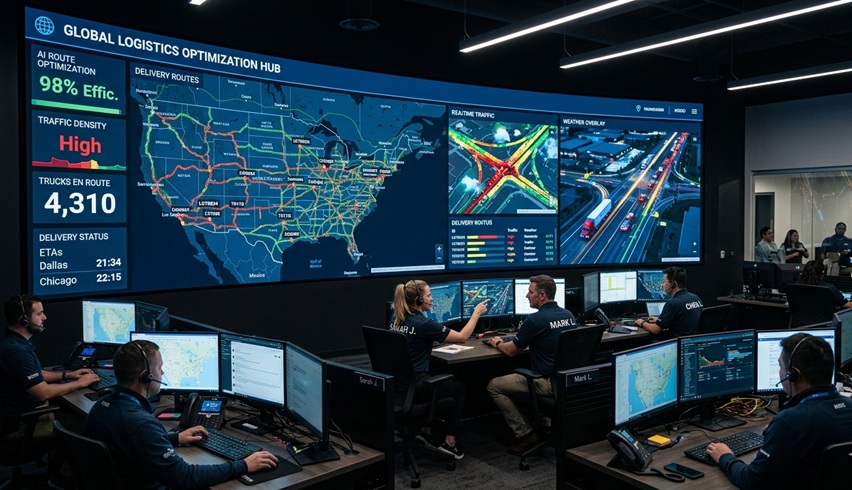
What makes AI so powerful?
• It can analyse traffic patterns, weather conditions and delivery windows all at once.
• It automatically selects the best route and adapts if things change mid‑journey.
• It learns from past deliveries and gets more efficient over time.
For example, recent industry research shows that companies using AI logistics tools such as AI route optimisation software for delivery companies can reduce fuel use and delivery times while lowering overall costs by up to 30 per cent.
Here’s a simple example snippet that could appear as a featured result:
AI‑powered delivery systems are transforming logistics by reducing operational costs, improving route efficiency, and enhancing customer satisfaction.
This isn’t just theory — it’s happening now in global logistics. Firms that implement AI logistics solutions for e‑commerce and delivery fleets are cutting unnecessary mileage, automating planning, and reducing human error. Not only does this make operations faster and cheaper, it also improves reliability and customer trust.
Cor Advance Solutions helps businesses adopt AI delivery systems for faster and cheaper delivery that deliver measurable cost savings and performance improvements — from smart route planning to fully connected delivery networks.
What Are AI-Powered Delivery Systems?
AI-powered delivery systems are cutting-edge technologies that use artificial intelligence to make logistics smarter, faster, and more reliable. By combining predictive analytics, machine learning, autonomous vehicles, and route optimization, these systems are transforming the way goods move from warehouses to customers. With real-time data analysis and intelligent decision-making, AI ensures every delivery is efficient, accurate, and cost-effective.
✅ Revolutionising Last-Mile Delivery
- AI-based last-mile delivery solutions for e-commerce are redefining how parcels reach customers.
- By analysing traffic, weather, and customer patterns in real-time, AI selects the fastest and safest routes, ensuring on-time deliveries while reducing fuel consumption.
- Businesses can provide instant updates to customers, boosting satisfaction and trust.
✅ Smarter Fleet Management
- AI-powered logistics software for businesses keeps track of every vehicle in the fleet.
- It predicts maintenance needs, avoids breakdowns, and allocates vehicles efficiently, reducing downtime and operational costs.
- Fleet managers can make data-driven decisions, enhancing overall productivity.
✅ Intelligent Scheduling & Demand Forecasting
- AI logistics solutions forecast demand patterns, allowing businesses to plan shifts, manage inventory, and prepare for peak periods.
- This proactive approach prevents overstocking or shortages, ensuring smoother operations and happier customers.
✅ Autonomous & Future-Ready Deliveries
- Autonomous vehicles, drones, and robotics integrated into AI delivery systems are revolutionising logistics.
- They reduce human error, operate 24/7, and accelerate delivery speeds, making logistics faster and more sustainable.
✅ Transforming Business Performance
- Adopting AI-powered delivery systems helps companies cut costs, save time, and enhance customer experience.
- From small e-commerce startups to large supply chain operators, AI logistics solutions offer a competitive edge, making businesses more agile, reliable, and future-ready.
Why Businesses Need AI in Last-Mile Delivery
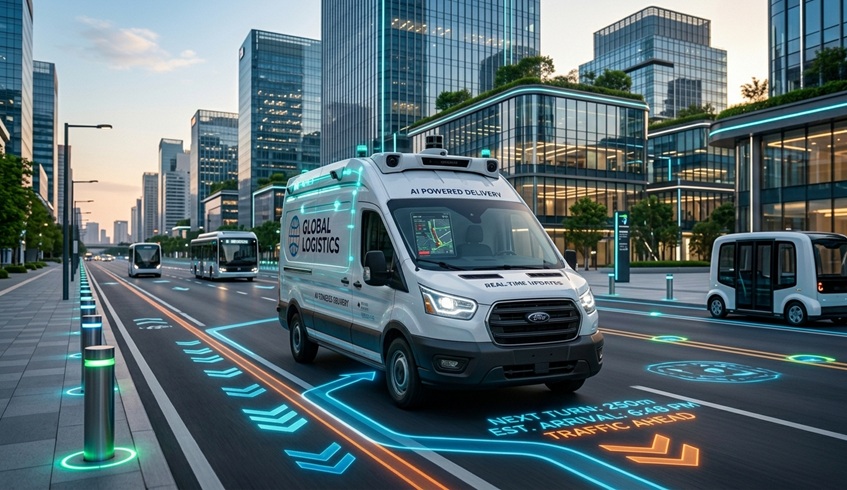
Last-mile delivery, the final step of getting a product from a warehouse to a customer’s doorstep, is often the most challenging and costly part of logistics. Businesses face several pain points, including high fuel costs, delayed shipments, and inefficient routes. Traditional delivery methods struggle to cope with traffic congestion, unpredictable weather, and fluctuating demand, which often leads to late deliveries and unhappy customers.
✅ Rising Customer Expectations
In today’s e-commerce world, customers expect faster, more reliable deliveries. A single delayed package can harm a brand’s reputation and reduce repeat sales. Meeting these expectations manually is difficult, especially for companies managing large fleets or serving multiple urban areas.
✅ How AI Solves Last-Mile Challenges
AI-powered logistics solutions bring intelligence and automation to last-mile delivery, addressing these issues effectively:
- Predictive Routing: AI analyses traffic patterns, weather, and historical delivery data to choose the fastest and most fuel-efficient routes. This reduces delays and cuts costs.
- Demand Forecasting: AI predicts peak periods and customer demand, allowing businesses to plan resources, schedule drivers, and manage inventory efficiently.
- Automated Dispatch: AI can automatically assign deliveries to the best-suited drivers or vehicles, improving delivery speed and ensuring consistency.
✅ Benefits of Last-Mile Delivery Optimisation
- Reduced operational costs through smarter route planning and efficient resource allocation.
- Improved on-time delivery rates, enhancing customer satisfaction and loyalty.
- Scalability for growing businesses, allowing them to manage more deliveries without adding manual effort.
By adopting AI logistics solutions for last-mile delivery, businesses can turn challenges into opportunities, ensuring faster, more reliable, and cost-effective deliveries. In an era where speed and precision define customer satisfaction, AI is no longer optional—it’s a necessity for staying competitive.
How AI Reduces Operational Costs in Delivery
AI-powered delivery systems are transforming the logistics industry by helping businesses cut costs, save time, and operate more efficiently. By leveraging advanced technologies like predictive analytics and machine learning, companies can streamline every part of the delivery process, from route planning to inventory management.
1. Optimised Route Planning
- AI analyses traffic patterns, weather conditions, and historical delivery data to create the fastest and most fuel-efficient routes.
- By reducing unnecessary driving and avoiding congested areas, businesses save on fuel costs and labour hours, improving overall delivery efficiency.
- Smart routing also reduces vehicle wear and tear, lowering long-term operational expenses.
2. Automated Scheduling
- AI automates delivery scheduling, ensuring drivers are assigned tasks based on location, vehicle capacity, and priority.
- This reduces idle time and minimises delays, allowing more deliveries to be completed in less time.
- Automated scheduling ensures that resources are used efficiently, lowering labour costs and increasing customer satisfaction.
3. Predictive Maintenance
- AI-powered logistics solutions monitor vehicles in real time to detect early signs of wear or potential breakdowns.
- Predictive maintenance prevents unexpected repairs, avoiding costly downtime and ensuring that the fleet runs smoothly.
- Businesses can plan maintenance proactively, saving both money and time while extending vehicle life.
4. Inventory & Resource Management
- AI predicts demand patterns, helping companies manage inventory more effectively.
- By preventing overstock or stockouts, businesses reduce warehouse storage costs and minimise waste.
- AI also helps allocate resources like drivers, vehicles, and packaging materials efficiently, ensuring optimal operations at lower costs.
By adopting AI for delivery operations, companies can achieve significant operational savings, reduce human error, and enhance service reliability. AI is no longer just a technology trend—it’s a critical tool for businesses looking to lower costs and stay competitive in the fast-paced logistics industry.
Key Benefits of AI‑Powered Delivery Systems
AI‑powered delivery systems are rapidly changing how goods are delivered, helping companies save money, work faster, and keep customers happier. In today’s competitive e‑commerce and logistics world, AI tools aren’t just nice to have — they deliver real improvements in performance and efficiency.
✅ Faster Deliveries — Better Customer Experience
AI streamlines delivery processes by analysing traffic, weather, and delivery trends to choose the best possible routes in real time. This results in faster delivery times and more reliable service. In fact, studies show that AI‑powered last‑mile solutions can increase delivery speed by around 15‑22 % and improve delivery success rates, which boosts customer satisfaction and retention.
✅ Reduced Human Errors — Stronger Accuracy
AI automation reduces mistakes that often happen with manual planning and data entry. With machine learning and predictive models, deliveries and operations become more precise, leading to fewer misdeliveries, damaged packages, and customer complaints. This level of accuracy is hard to achieve with traditional methods alone.
✅ Lower Fuel and Labour Costs — Direct Savings
One of the most attractive benefits of AI in logistics is cost reduction. By using AI to optimise routes, businesses cut fuel consumption by 10‑15 % and reduce unnecessary miles, which also cuts labour costs. Some companies implementing AI tools report overall operational savings of up to 30 % or more.
✅ Scalable Operations — Grow Without Extra Cost
As businesses expand, AI systems can adapt without needing a proportional increase in staff or infrastructure. Whether processing hundreds or thousands of orders, AI helps companies handle growth smoothly, making delivery operations more scalable and future‑ready.
✅ Real‑Time Decision Making — Always Prepared
AI systems analyse live data and respond to unexpected changes instantly — such as sudden traffic, weather issues, or spikes in orders. This real‑time decision making keeps operations running smoothly and helps businesses stay agile and efficient.
In short, AI‑powered delivery systems offer speed, accuracy, cost savings, and flexibility that traditional methods cannot match. For companies wanting to stay ahead, adopting AI is a smart move.
Real‑World Use Cases of AI in Delivery
AI isn’t just a futuristic idea — it’s already being used by major companies around the world to improve delivery services, reduce costs, and meet rising customer expectations. These real‑world examples show how AI logistics solutions are transforming delivery operations in 2025–2026.
✅ E‑commerce Companies Speeding Up Deliveries
Major e‑commerce leaders like Amazon use AI to manage their entire delivery network. AI‑powered bots and robots help with sorting, picking, and packing in warehouses, while smart algorithms optimise last‑mile delivery routes to ensure faster deliveries and better delivery accuracy. Amazon continues to expand the use of AI for warehouse automation and experimenting with drones and autonomous vehicles to make same‑day and next‑day delivery even more efficient. Source
✅ Grocery & Food Delivery Services Improving Freshness
Grocery and food delivery platforms are also adopting AI to keep food fresh and delivery accurate. For example, several cloud‑based grocery services use AI to manage real‑time inventory, forecast demand, and guide delivery drivers on the best routes that protect freshness and speed. This means groceries arrive sooner and with fewer mistakes, helping companies stay competitive in quick‑commerce markets.
✅ Courier & Logistics Providers Optimising Fleets
Traditional courier services such as UPS use AI‑driven route planning tools like ORION (On‑Road Integrated Optimisation and Navigation) to cut miles, fuel use, and delivery times while boosting on‑time performance. AI route optimisation can reduce delivery distance and fuel consumption significantly, saving millions in operational costs each year.
✅ Fresh Grocery & Cold‑Chain Logistics AI Use Cases
In cold‑chain and fresh goods deliveries, AI systems predict short‑term demand using weather, promotions, and local patterns. These insights help logistics teams minimise waste and ensure that perishable goods are delivered while still fresh, improving customer experience and profitability.
Every example above shows how AI in delivery isn’t theoretical — it’s happening now and helping companies of all sizes improve efficiency, cut costs, and delight customers. As AI continues to evolve, more businesses are expected to adopt last‑mile delivery optimisation and AI logistics solutions to stay competitive and deliver smarter, faster, and more reliably than ever before.
Future of AI in Delivery Systems
The future of AI delivery systems is set to revolutionise how goods move from warehouses to customers, making logistics faster, smarter, and more efficient. One of the most exciting trends is the rise of autonomous delivery vehicles. Self-driving vans and trucks will reduce human intervention, cut labour costs, and ensure consistent delivery schedules.
✅ Drone-Based Deliveries
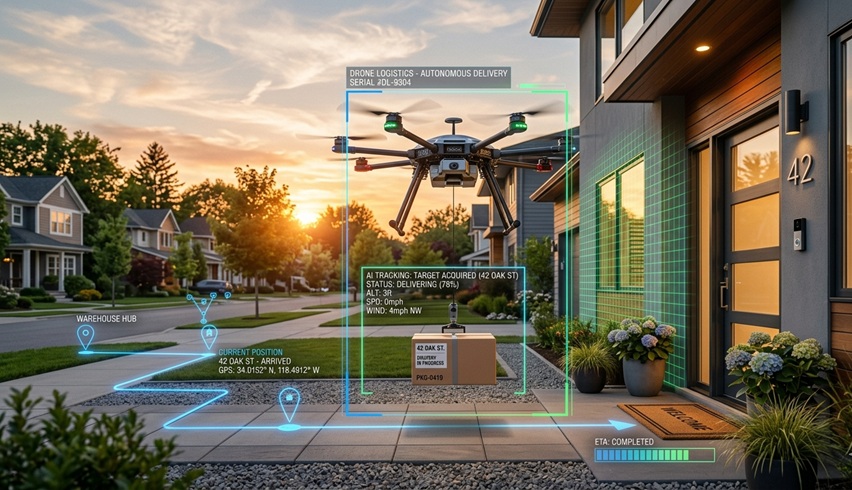
Drones are becoming a viable solution for rapid deliveries, especially for small parcels in congested cities. Companies are testing drones to reach remote areas and ensure same-day deliveries, boosting customer satisfaction and operational efficiency.
✅ Integration with IoT for Smarter Logistics
IoT sensors combined with AI will enable real-time tracking of vehicles, packages, and warehouse conditions. This allows businesses to respond instantly to delays, traffic, or environmental issues, creating a fully connected, intelligent delivery ecosystem.
✅ AI Predictive Analytics for Proactive Decisions
Next-gen logistics AI will increasingly use predictive analytics to forecast demand, prevent delays, and optimise routes before problems occur. This proactive approach helps companies reduce costs, improve reliability, and scale operations efficiently.
The next generation of logistics AI promises faster, greener, and more accurate deliveries, redefining the standards for supply chains and e-commerce worldwide. Businesses adopting these innovations today will lead the market tomorrow.
Why Choose Cor Advance Solutions for AI-Powered Delivery Systems
When it comes to AI-powered delivery systems, Cor Advance Solutions is a trusted partner for businesses looking to make their logistics smarter, faster, and more reliable. Expertise in AI Logistics Solutions – With extensive experience in AI logistics solutions, we help companies reduce operational costs, optimise last-mile delivery, and improve customer satisfaction.
✅ Advanced Route Optimisation & Automated Scheduling – Our AI systems analyse traffic, delivery patterns, and vehicle availability in real time to select the fastest routes and assign deliveries efficiently. This reduces delays, fuel usage, and labour costs while ensuring timely deliveries.
✅ Real-Time Fleet Monitoring & Predictive Analytics – Track every vehicle and parcel with live data insights. Our predictive analytics allow businesses to anticipate demand, prevent delays, and make proactive decisions for smooth operations.
✅ Scalable & Customisable Solutions – Whether you operate locally or manage nationwide deliveries, our AI-powered platform adapts to your needs, supporting growth without increasing operational costs.
Ready to take your logistics to the next level? Book a demo to see how AI can transform your delivery operations. With Cor Advance Solutions, your business can deliver faster, more efficiently, and reliably, while keeping customers satisfied and operations fully optimised.
FAQs
What is an AI-powered delivery system?
An AI-powered delivery system uses artificial intelligence to manage and optimise the movement of goods from warehouses to customers. It combines predictive analytics, machine learning, autonomous vehicles, and route optimisation to make deliveries faster, more accurate, and cost-efficient. These systems automatically plan routes, assign drivers, and predict demand, transforming traditional logistics into smart, automated operations.
How can AI reduce delivery operational costs?
AI reduces delivery operational costs by optimising routes, scheduling drivers efficiently, and predicting vehicle maintenance needs. It lowers fuel consumption, reduces unnecessary trips, and minimises human errors. By automating repetitive tasks and providing actionable insights, AI enables businesses to cut labour costs, improve delivery efficiency, and scale operations without extra overhead.
Why Businesses Need AI in Delivery Systems in 2026
Businesses need AI in delivery systems in 2026 to meet rising customer expectations for faster, reliable deliveries and to stay competitive. AI streamlines last-mile delivery, optimises fleet management, and predicts demand in real time. Companies adopting AI can reduce costs, improve efficiency, and enhance customer satisfaction, making their logistics smarter and more responsive to market needs.
What is the difference between traditional and AI-powered delivery systems?
Traditional delivery systems rely on manual planning and human decision-making, which can lead to delays, high costs, and errors. In contrast, AI-powered delivery systems use data-driven algorithms to automate route planning, scheduling, and demand forecasting. This results in faster deliveries, lower fuel and labour costs, and better operational accuracy, making AI systems far more efficient and reliable.
Are AI-powered delivery systems suitable for small businesses?
Yes, AI-powered delivery systems are suitable for small businesses. Cloud-based AI platforms allow smaller operations to optimise deliveries, reduce costs, and improve customer satisfaction without heavy infrastructure investment. Even with a limited fleet, AI can automate scheduling, manage inventory, and provide predictive insights, helping small businesses compete with larger logistics players.
Can AI delivery systems improve customer satisfaction?
Absolutely. AI improves customer satisfaction by reducing delivery delays, increasing accuracy, and providing real-time tracking. Predictive analytics ensure packages arrive on time, while automated notifications keep customers informed. Faster, reliable deliveries and fewer errors lead to happier customers and stronger brand loyalty.
What is AI-based last-mile delivery optimisation?
AI-based last-mile delivery optimisation uses artificial intelligence to plan the most efficient delivery routes, assign drivers, and manage deliveries in real time. It reduces fuel consumption, travel time, and delivery errors while improving service quality. Businesses benefit from faster deliveries, lower costs, and enhanced customer satisfaction, especially in urban and congested areas.
How does AI help in fleet management?
AI helps fleet management by tracking vehicles in real time, optimising routes, predicting maintenance needs, and assigning deliveries efficiently. It ensures that fleets operate at maximum efficiency, reduces downtime, and lowers operational costs. AI also provides actionable insights to improve decision-making and enhance overall logistics performance.
How does AI improve fuel efficiency in fleets?
AI improves fuel efficiency by optimising delivery routes, reducing idle time, and avoiding congested traffic. Predictive algorithms suggest the most fuel-efficient paths for each vehicle, while intelligent scheduling minimises unnecessary trips. This not only saves money but also reduces carbon emissions, making logistics more sustainable.
What role does machine learning play in AI delivery systems?
Machine learning powers AI delivery systems by analysing historical and real-time data to predict demand, optimise routes, and improve decision-making. It helps systems learn from patterns, continuously improving delivery accuracy, efficiency, and cost-effectiveness. Over time, machine learning enables smarter, faster, and more reliable logistics operations.
How can businesses implement AI delivery systems quickly and effectively?
Businesses can implement AI delivery systems quickly by choosing cloud-based AI platforms, integrating with existing logistics software, and training staff on AI tools. Starting with last-mile optimisation or fleet management allows gradual adoption. Partnering with experienced AI logistics providers ensures fast deployment, measurable cost savings, and minimal disruption.
Which industries benefit most from AI delivery systems?
Industries like e-commerce, grocery and food delivery, courier services, healthcare, and cold-chain logistics benefit most from AI delivery systems. Any sector that requires timely deliveries, accurate tracking, and cost-efficient operations can leverage AI to optimise routes, improve efficiency, and enhance customer satisfaction.
Conclusion
AI-powered delivery systems are transforming logistics by helping businesses reduce operational costs, improve efficiency, and deliver a better customer experience. From optimised route planning and automated scheduling to predictive maintenance and real-time analytics, AI makes delivery operations smarter, faster, and more reliable.
Cor Advance Solutions stands at the forefront of this transformation, offering expert AI logistics solutions tailored to meet the needs of businesses of all sizes. Our advanced systems streamline last-mile delivery, enhance fleet management, and provide actionable insights that enable smarter, proactive decision-making.
By integrating AI into your delivery operations, you can achieve faster deliveries, lower fuel and labour costs, and higher customer satisfaction, while scaling your business efficiently.
Take the next step towards smarter logistics today. Contact Cor Advance Solutions today to optimise your delivery operations with AI and experience the benefits of faster, more reliable, and cost-effective deliveries.