
1. Introduction: The Future of Logistics Powered by AI
The logistics industry in the United States is going through a major transformation. Businesses today must move products faster, manage complex supply chains, and meet the growing expectations of customers. With the rapid growth of e-commerce and global trade, traditional logistics systems are no longer enough. This is why many companies are now investing in AI Consulting Services for Logistics to modernize their supply chain operations.
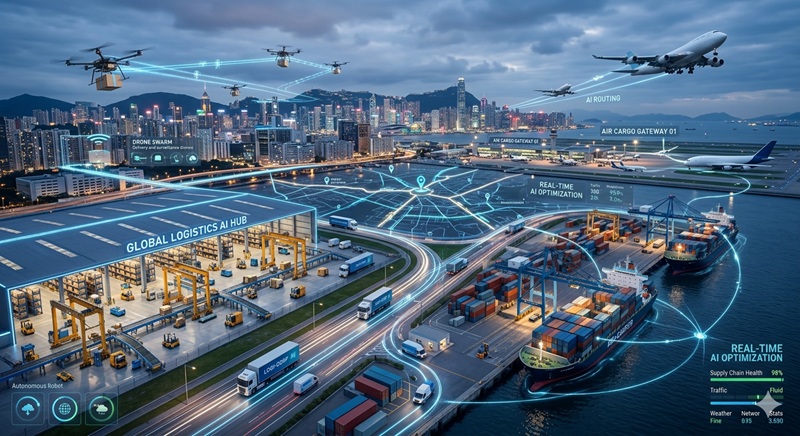
Artificial intelligence is helping logistics companies become faster, smarter, and more efficient. With advanced logistics AI solutions, businesses can analyze large amounts of data, automate repetitive tasks, and improve decision-making across the entire supply chain. From warehouses to transportation networks, AI is changing how logistics companies operate.
However, the logistics industry still faces several major challenges that slow down operations and increase costs.
Major Challenges Logistics Companies Face Today
The logistics industry plays a critical role in the global economy, especially in the United States where millions of shipments move every day. However, modern logistics operations are becoming increasingly complex. Companies must manage transportation networks, warehouses, inventory, and customer expectations all at the same time.
Without modern technology, it becomes difficult to maintain efficiency and control costs. This is why many businesses are turning to AI Logistics Solutions to solve operational problems and implement smarter systems.
Below are some of the biggest challenges logistics companies face today.
1. Supply Chain Disruptions
Supply chains today are more global and interconnected than ever before. While this creates new opportunities, it also increases the risk of disruptions.
Events such as weather conditions, port congestion, political issues, or supplier delays can interrupt the flow of goods. Even a small disruption in one part of the supply chain can create major delays across the entire logistics network.
Traditional systems often cannot predict these disruptions early enough. With advanced predictive analytics in logistics, companies can analyze data patterns and identify potential risks before they affect operations. This is one of the key reasons why many businesses adopt AI-powered logistics solutions.
2. Rising Transportation Costs
Transportation is one of the largest expenses for logistics companies. Rising fuel prices, labor costs, and inefficient route planning can significantly increase operational costs.
When routes are not optimized, delivery vehicles travel longer distances, consume more fuel, and waste valuable time. Over time, these inefficiencies reduce profit margins.
Modern logistics AI solutions help companies solve this problem by analyzing traffic patterns, weather conditions, and delivery schedules to determine the most efficient routes. Through AI supply chain optimization, companies can reduce fuel consumption and improve delivery efficiency.
3. Delivery Delays and Poor Route Planning
Customers today expect fast and reliable deliveries. With the rapid growth of e-commerce, many businesses now promise same-day or next-day shipping.
However, without intelligent systems, it becomes difficult to manage delivery schedules and respond quickly to unexpected delays such as traffic congestion or vehicle breakdowns.
AI-driven route optimization allows logistics companies to dynamically adjust delivery routes in real time. With the help of logistics automation consulting, businesses can implement smart systems that automatically recommend the fastest and most efficient routes.
This leads to faster deliveries and improved customer satisfaction.
4. Inventory Management Problems
Managing inventory across multiple warehouses and distribution centers is a major challenge for logistics companies. If demand forecasting is inaccurate, businesses may experience either overstocking or product shortages.
Overstocking increases storage costs, while shortages can lead to missed sales opportunities and unhappy customers.
By using predictive analytics in logistics, companies can analyze historical data, seasonal trends, and market demand to forecast inventory needs more accurately. This allows businesses to maintain optimal inventory levels and improve supply chain efficiency.
5. Limited Supply Chain Visibility
Many logistics companies struggle with limited visibility across their supply chain operations. Without real-time data, managers often cannot track shipments, monitor inventory levels, or identify potential delays.
This lack of visibility makes it difficult to make fast and informed decisions.
An experienced AI logistics consulting company can help organizations implement intelligent tracking systems that provide real-time visibility across transportation networks, warehouses, and distribution centers. These AI-powered logistics solutions enable companies to monitor operations continuously and respond quickly to any issues.
6. Manual Processes and Operational Inefficiencies
Despite advances in technology, many logistics companies still rely on manual processes for planning routes, managing shipments, and handling warehouse operations.
Manual processes are slow, prone to human error, and difficult to scale as the business grows. They also prevent companies from using valuable data effectively.
With AI Consulting Services for Logistics, companies can automate repetitive tasks and streamline operations. Intelligent systems can analyze data automatically, generate insights, and recommend the best actions to improve performance.
This level of automation helps businesses reduce errors, save time, and increase operational efficiency.
7. Increasing Customer Expectations
Customer expectations are higher than ever before. Businesses must provide faster delivery times, real-time shipment tracking, and accurate order fulfillment.
If logistics companies fail to meet these expectations, customers may quickly switch to competitors.
With advanced logistics AI solutions, companies can improve delivery accuracy, optimize supply chain operations, and provide better visibility to customers. This not only improves operational efficiency but also strengthens customer trust and loyalty.
Why Traditional Logistics Systems Are Struggling
Traditional logistics software was designed mainly for manual tracking and basic reporting. These systems often rely on historical data and human decision-making instead of real-time intelligence. As supply chains grow more complex, these outdated systems struggle to process large datasets, predict demand changes, or optimize delivery operations.
For example, a traditional system may identify a delay only after it occurs. In contrast, AI technology can predict potential delays before they happen and recommend alternative routes automatically.
Because of these limitations, companies are increasingly seeking logistics automation consulting services to upgrade their operations and adopt intelligent technologies.
How AI Consulting Services Help Logistics Companies
This is where AI Consulting Services for Logistics become extremely valuable. An experienced AI logistics consulting company helps businesses design and implement intelligent systems that transform supply chain operations.
AI consultants analyze logistics workflows, identify inefficiencies, and implement advanced AI-powered logistics solutions that automate operations and improve performance.
These solutions often include:
- Route optimization systems that reduce delivery time
- Demand forecasting models that improve inventory planning
- Automated warehouse management tools
- Real-time shipment tracking systems
- Advanced predictive analytics in logistics for better decision-making
By adopting these technologies, companies can achieve powerful AI supply chain optimization, which leads to faster deliveries, lower operational costs, and improved customer satisfaction.
What You Will Learn in This Guide
In this guide, we will explore how AI Consulting Services for Logistics in the USA are transforming modern supply chains and helping businesses operate more efficiently.
You will learn:
- How artificial intelligence is changing the logistics industry
- The most effective logistics AI solutions used by leading companies
- How predictive analytics in logistics helps forecast demand and prevent delays
- How AI-powered logistics solutions improve warehouse and transportation operations
- Why partnering with an experienced AI logistics consulting company is essential for successful digital transformation
By the end of this guide, you will clearly understand how AI can help logistics companies build faster, smarter, and more resilient supply chains.
2. What Are AI Consulting Services for Logistics?
The logistics industry is becoming more complex every year. Companies must manage transportation networks, warehouses, inventory, and delivery schedules while also meeting customer expectations for fast and reliable shipping. To handle this growing complexity, many businesses are adopting AI Consulting for Logistics.

AI consulting services help logistics companies use artificial intelligence to improve supply chain operations, automate manual processes, and make smarter decisions based on data. Instead of relying only on traditional software systems, businesses can use advanced AI-powered logistics solutions to analyze large datasets, predict demand, optimize routes, and improve operational efficiency.
In simple terms, AI Consulting Services for Logistics help companies implement intelligent technologies that improve supply chain performance, reduce operational costs, and increase visibility across logistics operations.
The Role of AI Consultants in Logistics Digital Transformation
AI consultants play a key role in helping logistics companies adopt modern technologies and move toward intelligent supply chain systems. Many organizations understand that artificial intelligence can improve operations, but they may not know where to start or how to implement the right solutions.
An experienced AI logistics consulting company helps businesses plan and execute a complete digital transformation strategy. AI consultants analyze existing logistics workflows, identify operational inefficiencies, and recommend advanced technologies that improve performance.
Through expert logistics automation consulting, AI consultants help companies:
- automate repetitive logistics tasks
- improve route planning and transportation efficiency
- enhance demand forecasting
- increase warehouse productivity
- improve real-time supply chain visibility
By implementing powerful logistics AI solutions, companies can make faster decisions, reduce operational costs, and deliver better customer experiences.
Core Responsibilities of AI Consultants in Logistics
AI is transforming how logistics companies manage supply chains, transportation networks, and warehouse operations. However, implementing artificial intelligence requires deep technical knowledge and a clear strategy. This is why many organizations rely on AI Consulting Services for Logistics to guide their digital transformation.
AI consultants help logistics companies identify opportunities for automation, analyze operational data, and implement advanced AI-powered logistics solutions that improve efficiency and reduce costs. Their role goes far beyond installing software. They work closely with companies to design intelligent systems that support long-term AI supply chain optimization.
Below are the core responsibilities of AI consultants in logistics.
1. AI Strategy Development
One of the most important responsibilities of AI consultants is developing a clear AI strategy for the logistics business.
Many logistics companies know that artificial intelligence can improve their operations, but they may not know where to start. AI consultants evaluate the company’s supply chain processes, identify operational inefficiencies, and determine where AI technologies can deliver the greatest impact.
For example, AI can be used to optimize delivery routes, improve inventory forecasting, automate warehouse operations, and enhance shipment tracking. A well-designed strategy ensures that the company invests in the right logistics AI solutions and achieves measurable results.
By creating a structured roadmap, consultants help companies successfully adopt AI Consulting Services for Logistics and build intelligent supply chain systems.
2. Data Analysis and Modeling
Artificial intelligence relies on data to generate insights and predictions. Logistics companies generate large amounts of data from shipments, delivery routes, warehouse operations, and customer orders.
AI consultants analyze this data and build intelligent models that help businesses identify patterns and trends. Using advanced predictive analytics in logistics, companies can forecast product demand, detect potential delays, and improve operational planning.
Data modeling also helps companies make proactive decisions. Instead of reacting to problems after they occur, logistics managers can use AI insights to prevent disruptions and improve supply chain performance.
3. AI Solution Implementation
Once the strategy and data analysis are complete, AI consultants implement the required technologies and systems.
This process may involve integrating AI tools with existing logistics software or developing new applications designed specifically for the company’s operations. These AI-powered logistics solutions allow businesses to automate complex tasks and improve supply chain visibility.
Examples of implemented logistics AI solutions include:
- AI route optimization systems for delivery planning
- intelligent warehouse automation tools
- predictive demand forecasting platforms
- real-time shipment tracking systems
These technologies enable effective AI supply chain optimization, allowing logistics companies to operate more efficiently.
4. Automation Optimization
Many logistics operations still rely on manual processes, such as planning delivery schedules, updating shipment data, or managing warehouse inventory. These tasks are time-consuming and often prone to human errors.
AI consultants help companies automate these processes through advanced logistics automation consulting. Automation technologies can streamline workflows, reduce operational delays, and improve accuracy across logistics operations.
For example, AI can automatically assign delivery routes, update inventory levels in real time, and track shipments across transportation networks. These improvements significantly increase productivity and operational efficiency.
5. Continuous Improvement and Optimization
Artificial intelligence systems improve over time as they process more data. AI consultants monitor the performance of implemented solutions and continuously refine the models to increase accuracy and efficiency.
This process ensures that AI-powered logistics solutions remain effective as the business grows and market conditions change.
Through continuous monitoring and improvement, an experienced AI logistics consulting company helps businesses maintain strong supply chain performance and adapt to new challenges.
Difference Between AI Software Vendors and AI Consultants
Many companies assume that buying AI software is enough to transform their logistics operations. However, there is a big difference between software vendors and AI consultants.
What Are AI Software Vendors?
AI software vendors are companies that develop and sell AI-based software platforms or tools. These tools are usually designed for general use across multiple industries.
For example, a vendor may offer software for:
- route optimization
- warehouse management
- shipment tracking
- inventory forecasting
These tools can be useful for logistics companies because they provide built-in features powered by artificial intelligence. However, vendor solutions are often standardized products that may not fully match the specific operational needs of every logistics organization.
In many cases, businesses must adapt their workflows to fit the software rather than the software being designed specifically for their operations.
What Are AI Consultants?
AI consultants provide expert guidance and strategic support to help companies adopt artificial intelligence successfully.
Instead of simply selling a software product, an experienced AI logistics consulting company studies the company’s entire supply chain, identifies inefficiencies, and designs tailored AI-powered logistics solutions that solve real operational problems.
AI consultants focus on delivering long-term business value through intelligent automation and AI supply chain optimization.
Their services often include:
- logistics workflow analysis
- AI strategy development
- data analysis and modeling
- AI solution implementation
- ongoing system optimization
Through professional logistics automation consulting, AI consultants ensure that the chosen technology aligns with the company’s business goals and operational needs.
How AI Consultants Work with Logistics Companies
Implementing artificial intelligence in logistics is not a simple one-step process. It requires careful planning, data analysis, technology integration, and continuous improvement. This is why many businesses rely on AI Consulting Services for Logistics to guide them through the entire transformation journey.
AI consultants follow a structured process to help logistics companies adopt advanced AI-powered logistics solutions and improve supply chain performance. Their goal is to analyze current operations, identify inefficiencies, and implement intelligent systems that support long-term AI supply chain optimization.
Below is the step-by-step process that AI consultants typically use when working with logistics companies.
1. Business Analysis
The first step in any AI consulting project is understanding the company’s logistics operations in detail.
AI consultants begin by analyzing how the supply chain currently works. They examine transportation networks, warehouse operations, inventory management systems, and delivery processes. This analysis helps them identify operational bottlenecks and inefficiencies that may be slowing down the logistics workflow.
For example, consultants may discover that delivery routes are inefficient, warehouse processes are slow, or demand forecasting is inaccurate. These insights help determine where advanced logistics AI solutions can provide the greatest improvements.
A clear understanding of the business ensures that the AI strategy aligns with the company’s operational goals.
2. Data Evaluation
Artificial intelligence systems rely heavily on data. Without high-quality data, AI models cannot generate accurate insights.
During the data evaluation phase, AI consultants examine the company’s existing data sources. This may include shipment records, delivery routes, warehouse inventory data, supplier information, and customer orders.
The goal is to ensure that the data is accurate, organized, and suitable for building intelligent models. Consultants may also identify missing or incomplete data that needs improvement.
By analyzing this information, consultants can use predictive analytics in logistics to identify patterns, forecast demand, and improve decision-making across the supply chain.
3. AI Strategy Creation
Once the business operations and data sources are fully understood, AI consultants develop a clear AI implementation strategy.
This strategy defines how artificial intelligence will be used to improve logistics performance. It may include implementing route optimization systems, warehouse automation tools, predictive demand forecasting models, or real-time shipment tracking platforms.
The strategy also outlines timelines, technology requirements, and expected performance improvements. A well-planned strategy ensures successful AI supply chain optimization and helps companies achieve measurable results.
This phase is a key part of professional logistics automation consulting because it connects business goals with the right technology solutions.
4. AI Tool Development or Integration
After the strategy is finalized, AI consultants begin building or integrating the required technologies.
Some companies may need completely new AI systems, while others may only need to integrate intelligent tools into their existing logistics platforms.
Examples of AI-powered logistics solutions implemented during this phase include:
- AI-based route optimization systems
- predictive demand forecasting tools
- automated warehouse management platforms
- real-time shipment tracking systems
- intelligent fleet management solutions
An experienced AI logistics consulting company ensures that these systems integrate smoothly with existing logistics infrastructure and operate efficiently.
5. Performance Monitoring and Continuous Improvement
The final step in the AI consulting process is monitoring system performance and continuously improving results.
Artificial intelligence systems learn from new data over time. AI consultants track performance metrics such as delivery times, transportation costs, forecasting accuracy, and operational efficiency.
If necessary, they adjust AI models to improve accuracy and optimize performance. This continuous improvement process ensures that logistics AI solutions remain effective as the business grows and market conditions change.
Through ongoing monitoring and optimization, companies can maximize the value of AI Consulting Services for Logistics and maintain a strong, intelligent supply chain.
3. Why Logistics Companies Need AI Consulting Services in USA
The logistics industry in the United States is becoming more complex and competitive every year. Companies must manage large transportation networks, coordinate warehouses, track inventory, and deliver products quickly to customers across the country. At the same time, businesses must control costs and operate efficiently to remain profitable.
Because of these challenges, many organizations are investing in AI Consulting Services for Logistics to modernize their supply chains and adopt intelligent technologies. AI consulting helps companies implement advanced AI-powered logistics solutions that improve operational efficiency, increase supply chain visibility, and reduce transportation costs.
With the help of professional logistics automation consulting, logistics companies can transform traditional supply chain operations into intelligent, data-driven systems.
Growing Complexity in Logistics Operations
Modern logistics operations are far more complex than they were just a decade ago. Companies must manage multiple suppliers, warehouses, distribution centers, and delivery routes at the same time.
For example, a single shipment may travel through several transportation stages, including suppliers, ports, warehouses, and last-mile delivery networks. Managing this complex system manually can lead to delays, inefficiencies, and higher costs.
By implementing advanced logistics AI solutions, companies can automate many of these processes and optimize supply chain performance through intelligent technology.
Global Supply Chain Challenges
Global supply chains are constantly affected by unpredictable events such as weather disruptions, transportation bottlenecks, labor shortages, and geopolitical issues. These disruptions can quickly impact logistics operations and create delays across the entire supply chain.
Traditional logistics systems often react to problems after they occur. In contrast, artificial intelligence can predict potential risks before they disrupt operations.
With advanced predictive analytics in logistics, AI systems analyze large volumes of supply chain data and identify patterns that help companies anticipate problems early. This allows logistics businesses to respond faster and maintain operational stability.
Increasing Demand for Faster Deliveries
The rapid growth of e-commerce has dramatically increased the demand for faster shipping. Customers now expect same-day or next-day deliveries for many products.
Meeting these expectations requires highly optimized logistics networks. Without intelligent systems, it becomes difficult to manage delivery schedules, plan efficient routes, and avoid transportation delays.
Through AI Consulting Services for Logistics, companies can implement route optimization algorithms and smart scheduling systems that improve delivery speed and reliability. These AI-powered logistics solutions allow companies to reduce delivery times while maintaining efficiency.
Rising Customer Expectations
Customer expectations are higher than ever. Businesses must provide accurate delivery estimates, real-time shipment tracking, and reliable order fulfillment.
If companies fail to meet these expectations, customers may quickly switch to competitors offering faster and more reliable delivery services.
An experienced AI logistics consulting company helps organizations implement intelligent tracking systems and automated logistics workflows that improve service quality and customer satisfaction.
Key Benefits of AI Consulting Services for Logistics
Adopting AI Consulting Services for Logistics provides several powerful benefits that help companies improve supply chain performance and maintain a competitive advantage.
1. Improved Supply Chain Visibility
One of the biggest advantages of AI technology is real-time visibility across the supply chain.
With advanced logistics AI solutions, companies can track shipments, monitor inventory levels, and analyze transportation data in real time. Managers gain complete visibility into logistics operations, allowing them to identify potential issues quickly and respond before they impact deliveries.
This improved transparency helps businesses maintain efficient and reliable supply chain operations.
2. Cost Reduction Through Automation
Logistics operations often involve repetitive manual tasks such as scheduling shipments, managing inventory updates, and processing transportation data.
Through professional logistics automation consulting, AI consultants help companies automate these tasks using intelligent systems. Automation reduces manual labor, minimizes human errors, and improves operational efficiency.
As a result, companies can significantly lower operational costs while improving productivity.
3. Faster Delivery Times
Delivery speed is a major competitive advantage in today’s logistics industry. AI systems analyze traffic patterns, weather conditions, delivery schedules, and transportation data to determine the most efficient routes.
By implementing route optimization tools through AI Consulting Services for Logistics, companies can reduce travel time, minimize fuel consumption, and ensure faster deliveries.
These advanced AI-powered logistics solutions help businesses meet growing customer expectations for fast and reliable shipping.
4. Better Demand Forecasting
Accurate demand forecasting is essential for effective inventory management. If demand is underestimated, companies may run out of stock. If it is overestimated, warehouses may become overcrowded with unsold inventory.
Using predictive analytics in logistics, AI systems analyze historical sales data, seasonal trends, and market patterns to predict future demand more accurately.
This allows businesses to maintain optimal inventory levels and improve overall AI supply chain optimization.
5. Improved Decision Making
Modern logistics operations generate huge amounts of data every day. Without advanced analytics tools, it can be difficult for managers to interpret this information and make informed decisions.
AI technologies analyze complex logistics data and provide actionable insights that help leaders make smarter business decisions.
With guidance from an experienced AI logistics consulting company, businesses can implement intelligent systems that support data-driven strategies, improve operational planning, and strengthen long-term supply chain performance.
4. Key AI Technologies Transforming the Logistics Industry
Artificial intelligence is changing the logistics industry faster than ever before. Logistics companies today handle huge amounts of data—from shipment tracking and warehouse inventory to delivery routes and customer orders. Managing this complex system manually is difficult and often inefficient.
This is why many organizations are investing in AI Consulting Services for Logistics to adopt intelligent technologies that improve efficiency, reduce operational costs, and strengthen supply chain performance.
Several powerful AI technologies are now transforming logistics operations. These technologies help companies predict problems, automate processes, and make smarter decisions across the entire supply chain.
Below are the key AI technologies driving innovation in modern logistics.
Machine Learning
Machine learning is one of the most important technologies behind modern AI-powered logistics solutions. It allows computer systems to learn from historical data and continuously improve their predictions over time.
In logistics operations, machine learning analyzes large datasets such as shipment history, customer demand, warehouse inventory, and transportation patterns. By studying this data, machine learning models can identify trends and predict future outcomes.
For example, machine learning systems can forecast product demand, detect possible shipping delays, and predict inventory shortages before they occur. This allows logistics companies to take proactive action and avoid disruptions.
With the support of an experienced AI logistics consulting company, businesses can implement machine learning models that improve forecasting accuracy and support effective AI supply chain optimization.
Predictive Analytics
Predictive analytics plays a major role in improving logistics planning and decision-making. It uses historical logistics data, statistical models, and machine learning algorithms to forecast future events.
Using predictive analytics in logistics, companies can analyze past shipment data, seasonal demand patterns, transportation routes, and operational performance to identify possible risks.
For instance, predictive analytics can warn logistics managers about potential delivery delays caused by weather conditions, traffic congestion, or supply chain disruptions. This early insight allows businesses to adjust routes, modify schedules, and avoid costly delays.
Many companies rely on AI Consulting Services for Logistics to implement predictive analytics tools that improve planning accuracy and help logistics teams make faster, data-driven decisions.
Computer Vision
Computer vision is another powerful AI technology that is transforming warehouse operations. It enables machines to analyze images and video in real time, allowing them to recognize objects and monitor processes automatically.
In logistics warehouses, computer vision is commonly used for inventory tracking, barcode scanning, and quality control. AI-powered cameras can monitor warehouse shelves, verify product labels, and detect damaged goods during packing.
This reduces the need for manual inspections and significantly improves accuracy in inventory management.
Through advanced logistics AI solutions, companies can integrate computer vision technology into warehouse management systems to streamline operations and reduce human error.
Natural Language Processing (NLP)
Natural Language Processing, or NLP, is an AI technology that enables computers to understand and respond to human language.
In the logistics industry, NLP is widely used to automate communication between companies and their customers. AI-powered chatbots and virtual assistants can answer shipment inquiries, provide tracking updates, and resolve common customer service requests.
For example, customers can ask about delivery status or shipment location, and the AI system can instantly provide accurate information. This improves customer experience while reducing the workload on support teams.
With the help of logistics automation consulting, companies can implement NLP systems that automate customer interactions and improve operational efficiency.
Robotics and Warehouse Automation
Robotics is one of the most visible applications of AI in the logistics industry. AI-powered robots are increasingly being used in warehouses to automate repetitive tasks such as sorting packages, picking products, and managing inventory.
Warehouse robots can move quickly across large facilities, retrieve products from storage shelves, and deliver them to packing stations. These automated systems work alongside human employees to improve speed and efficiency.
Robotic automation significantly reduces order processing time and increases warehouse productivity.
By adopting modern AI-powered logistics solutions, companies can implement intelligent robotic systems that handle large volumes of orders with greater accuracy and speed.
5. AI Use Cases in Logistics
Artificial intelligence is transforming how logistics companies manage transportation, warehouses, inventory, and customer service. By analyzing large amounts of supply chain data, AI helps logistics businesses operate faster, smarter, and more efficiently.
Today, many companies are investing in AI Consulting Services for Logistics to identify the best ways to apply artificial intelligence across their operations. These AI-driven solutions help reduce costs, improve delivery speed, and strengthen supply chain reliability.
Below are some of the most impactful AI use cases in logistics that are helping companies modernize their supply chains and gain a competitive advantage.
Route Optimization and Smart Delivery Planning
One of the most powerful applications of AI-powered logistics solutions is route optimization. Logistics companies handle thousands of deliveries every day, and choosing the best route for each shipment can significantly affect delivery time and fuel costs.
AI systems analyze real-time traffic conditions, weather patterns, delivery schedules, and historical transportation data to determine the most efficient delivery routes.
This allows logistics companies to reduce fuel consumption, shorten delivery times, and improve overall transportation efficiency. With the support of AI Consulting Services for Logistics, businesses can implement intelligent routing systems that dynamically adjust routes when conditions change.
Demand Forecasting and Inventory Optimization
Demand forecasting is essential for effective supply chain management. Logistics companies must ensure that products are available when customers need them without overstocking warehouses.
Using predictive analytics in logistics, AI systems analyze historical sales data, seasonal demand patterns, and market trends to predict future product demand.
These insights help companies maintain the right inventory levels, reduce storage costs, and prevent stock shortages. This process plays a major role in AI supply chain optimization, allowing logistics businesses to maintain a balanced and efficient inventory system.
Warehouse Automation and Smart Inventory Management
Warehouse operations are a critical part of the logistics industry. Managing inventory, organizing storage, and fulfilling orders can be time-consuming and labor-intensive if done manually.
With modern logistics AI solutions, companies can automate warehouse processes using intelligent technologies such as robotics, computer vision, and machine learning.
AI systems can track inventory levels in real time, guide warehouse robots to pick products quickly, and ensure that items are stored in the most efficient locations.
These technologies improve order fulfillment speed, reduce operational errors, and increase warehouse productivity.
Predictive Maintenance for Transportation Fleets
Logistics companies rely heavily on trucks, delivery vehicles, and transportation equipment. Unexpected vehicle breakdowns can disrupt deliveries and increase operational costs.
Artificial intelligence helps prevent these issues through predictive maintenance. AI systems analyze vehicle performance data, engine conditions, and maintenance history to detect potential mechanical problems before they occur.
Using predictive analytics in logistics, companies can schedule maintenance at the right time and avoid costly breakdowns during transportation operations.
With guidance from an experienced AI logistics consulting company, businesses can implement predictive maintenance solutions that improve fleet reliability and reduce downtime.
Real-Time Shipment Tracking and Visibility
Modern customers expect complete visibility into their shipments. They want to know where their packages are and when they will arrive.
AI-powered logistics platforms provide real-time shipment tracking and delivery updates. These systems analyze GPS data, transportation schedules, and logistics network activity to provide accurate delivery estimates.
This level of visibility improves transparency across the supply chain and enhances customer trust. Through logistics automation consulting, companies can implement AI systems that continuously monitor shipments and provide real-time insights to both logistics managers and customers.
AI-Powered Customer Service
Customer service is another important area where AI is making a significant impact. Logistics companies receive thousands of inquiries related to order status, delivery updates, shipment tracking, and service requests.
AI-powered chatbots and virtual assistants can automatically respond to these inquiries, providing instant answers to customers.
Natural Language Processing (NLP) enables these AI systems to understand customer questions and deliver accurate responses. This reduces the workload for customer support teams and ensures faster communication.
Businesses that adopt AI-powered logistics solutions can improve customer satisfaction while maintaining efficient support operations.
Fraud Detection and Risk Management
Supply chains often involve multiple vendors, suppliers, and transportation partners. This complexity can create risks related to fraud, shipment theft, or operational errors.
Artificial intelligence helps logistics companies detect unusual patterns and identify potential risks in supply chain activities.
AI systems can analyze transaction data, shipment records, and operational behavior to detect suspicious activities. This allows companies to take preventive action before major losses occur.
Through AI Consulting Services for Logistics, organizations can implement advanced security systems that strengthen supply chain protection and reduce financial risks.
6. How AI Consulting Improves Supply Chain Efficiency
Supply chain efficiency is one of the most important factors for success in the logistics industry. Companies must move goods quickly, control costs, and deliver products on time while managing complex operations across warehouses, transportation networks, and distribution centers.
This is where AI Consulting Services for Logistics provide significant value. AI consultants help logistics companies analyze their existing supply chain processes, identify inefficiencies, and implement intelligent technologies that improve performance across the entire logistics network.
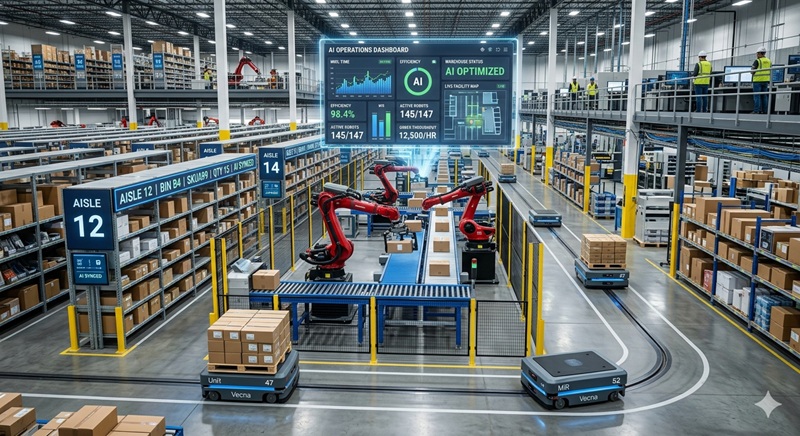
By adopting modern AI-powered logistics solutions, businesses can automate operations, make smarter decisions, and achieve measurable improvements in efficiency, cost control, and service quality.
Below are the key areas where AI consulting helps improve supply chain efficiency.
Inventory Management: Accurate Forecasting and Stock Optimization
Inventory management is one of the biggest challenges for logistics companies. Holding too much inventory increases storage costs, while insufficient inventory can lead to stockouts and lost sales.
Through predictive analytics in logistics, AI systems analyze historical sales data, seasonal demand patterns, and market trends to forecast product demand more accurately.
With the support of an experienced AI logistics consulting company, businesses can implement forecasting models that predict future demand with high accuracy. This allows companies to maintain optimal inventory levels and reduce unnecessary storage expenses.
Studies show that AI-powered demand forecasting can improve inventory accuracy by 20–30%, helping businesses reduce excess stock while ensuring product availability.
Transportation: Route Optimization and Cost Reduction
Transportation is one of the largest operational costs in logistics. Fuel consumption, delivery delays, and inefficient routes can significantly impact profitability.
AI consultants implement intelligent routing systems that analyze traffic conditions, delivery schedules, weather patterns, and shipment priorities to determine the most efficient transportation routes.
These AI-powered logistics solutions continuously adjust routes in real time when traffic or weather conditions change. As a result, logistics companies can shorten delivery times and reduce fuel consumption.
Research shows that AI-driven route optimization can reduce transportation costs by 10–15% while improving on-time delivery performance.
Warehouse Operations: Automation and Faster Order Fulfillment
Warehouses are central to logistics operations, but manual processes can slow down productivity and increase operational errors.
Through logistics automation consulting, AI consultants help companies implement intelligent warehouse technologies such as robotic picking systems, automated sorting, and AI-based inventory tracking.
These automation systems improve order accuracy and significantly increase warehouse productivity. AI-powered robots can quickly locate products, transport items within the warehouse, and prepare orders for shipment.
Companies that adopt logistics AI solutions often see warehouse productivity increase by 25–40%, along with reduced labor costs and faster order fulfillment.
Delivery Operations: Real-Time Tracking and Improved Customer Experience
Customers today expect complete visibility into their shipments. They want accurate delivery updates and reliable service.
AI-powered logistics platforms provide real-time shipment tracking using GPS data, predictive analytics, and intelligent monitoring systems. These technologies allow logistics companies to track deliveries throughout the entire transportation process.
Through AI Consulting Services for Logistics, companies can implement real-time monitoring systems that provide accurate delivery estimates and proactive alerts for delays.
Real-time tracking improves transparency across the supply chain and increases customer satisfaction. Many companies report up to 35% improvement in delivery reliability after implementing AI-driven tracking solutions.
Supply Chain Planning: Data-Driven Decision Making
Traditional supply chain planning often relies on manual analysis and historical experience. However, modern logistics networks generate massive amounts of data that can be difficult to analyze without advanced technology.
Artificial intelligence enables data-driven decision making by analyzing large volumes of supply chain data in real time. AI systems identify patterns, predict disruptions, and provide actionable insights for logistics managers.
With guidance from an experienced AI logistics consulting company, businesses can implement AI-driven planning tools that improve strategic decision-making and long-term supply chain optimization.
Companies using AI supply chain optimization tools often see improved planning accuracy and faster responses to supply chain disruptions.
Key Logistics Improvements with AI
Below is a simplified overview of how AI consulting improves different areas of logistics operations:
| Logistics Area | AI Improvement |
| Inventory Management | Accurate demand forecasting and optimized stock levels |
| Transportation | Intelligent route optimization and reduced fuel costs |
| Warehouse Operations | Automated picking, sorting, and inventory tracking |
| Delivery | Real-time shipment tracking and delivery updates |
| Planning | Data-driven decisions and predictive supply chain insights |
Real Business Impact of AI in Logistics
Many global logistics companies have already experienced major benefits from implementing artificial intelligence in their supply chains. AI-driven logistics platforms have helped businesses reduce operational costs, increase delivery speed, and improve overall efficiency.
For example:
- Companies using AI-powered forecasting systems have reduced inventory errors by up to 30%.
- AI-based route optimization tools have lowered fuel costs and transportation expenses by 10–15%.
- Warehouse automation technologies have improved order processing speed by up to 40%.
- AI-powered delivery tracking systems have improved customer satisfaction and delivery reliability.
Building an Efficient AI-Driven Supply Chain
Artificial intelligence is helping logistics companies move from traditional supply chain management to intelligent, data-driven operations. With the help of AI Consulting Services for Logistics, businesses can implement advanced technologies that automate workflows, improve forecasting, and optimize logistics performance.
7. Industries That Benefit from AI Logistics Consulting
Artificial intelligence is transforming logistics operations across many industries. Every sector that relies on supply chains, transportation, inventory management, or warehouse operations can benefit from intelligent technology.
Today, companies in multiple industries are investing in AI Consulting Services for Logistics to improve efficiency, reduce operational costs, and build smarter supply chains. AI technologies help businesses analyze large volumes of data, predict supply chain disruptions, automate workflows, and improve delivery performance.
Below are the key industries that benefit the most from AI-powered logistics solutions, and how each sector uses AI to improve logistics operations.
E-commerce
The e-commerce industry depends heavily on fast and reliable logistics. Online retailers must process thousands of orders daily, manage large inventories, and deliver products quickly to customers.
With the help of AI Consulting Services for Logistics, e-commerce companies can use intelligent systems to forecast demand, optimize warehouse operations, and automate order fulfillment.
AI tools analyze customer purchasing behavior, seasonal trends, and sales patterns to predict future demand. This helps companies maintain the right inventory levels and prevent stock shortages.
In addition, predictive analytics in logistics helps e-commerce businesses optimize delivery routes, reduce shipping delays, and improve last-mile delivery performance.
Retail
Retail businesses operate complex supply chains that involve multiple suppliers, warehouses, and retail locations. Managing inventory across these locations can be challenging without advanced technology.
AI helps retail companies improve inventory management and supply chain planning. Through AI-powered logistics solutions, retailers can track product movement in real time and automatically replenish inventory when stock levels become low.
Retail companies also use AI for demand forecasting, helping them prepare for seasonal demand changes, promotional campaigns, and high-traffic shopping periods.
With guidance from an experienced AI logistics consulting company, retailers can create more efficient and responsive supply chains that reduce waste and improve product availability.
Manufacturing
Manufacturing companies rely on well-coordinated logistics systems to ensure that raw materials arrive on time and finished products reach customers without delays.
Artificial intelligence helps manufacturers optimize production planning and supply chain operations. AI systems analyze supplier performance, transportation schedules, and production data to improve operational efficiency.
Using AI supply chain optimization, manufacturers can reduce production delays, improve inventory management, and maintain consistent supply of materials.
Many manufacturing companies also use predictive analytics in logistics to detect supply chain disruptions early and adjust production schedules accordingly.
Healthcare Logistics
Healthcare logistics is one of the most critical supply chains because it involves medical equipment, pharmaceuticals, and life-saving supplies. Delays or errors in healthcare logistics can have serious consequences.
AI technology helps healthcare organizations improve the management of medical inventory, track sensitive shipments, and ensure timely delivery of medical supplies.
For example, AI systems can monitor temperature conditions for pharmaceuticals during transportation and alert logistics teams if conditions change.
Through specialized logistics AI solutions, healthcare providers can improve supply chain visibility, reduce waste, and ensure critical medical products reach hospitals and clinics on time.
Food and Beverage Supply Chains
The food and beverage industry requires highly efficient logistics systems because many products are perishable and must be delivered quickly.
Artificial intelligence helps companies monitor product freshness, optimize transportation routes, and manage cold-chain logistics more effectively.
Using AI-powered logistics solutions, businesses can track product movement throughout the supply chain and detect delays that may affect product quality.
AI systems also analyze consumer demand patterns to help companies produce and distribute the right quantities of food products. This reduces food waste and improves supply chain efficiency.
Many organizations rely on AI Consulting Services for Logistics to build intelligent systems that maintain food safety and improve delivery reliability.
Automotive Logistics
The automotive industry has one of the most complex global supply chains. Car manufacturers must coordinate thousands of parts from multiple suppliers across different countries.
Artificial intelligence helps automotive companies improve supplier coordination, transportation planning, and inventory control.
AI systems analyze production schedules, supplier delivery performance, and logistics data to ensure that parts arrive at manufacturing plants exactly when needed.
Through AI supply chain optimization, automotive companies can reduce supply chain disruptions and maintain efficient production operations.
Third-Party Logistics (3PL)
Third-party logistics providers manage transportation, warehousing, and distribution services for multiple clients. Because they handle large volumes of shipments and data, efficiency is essential.
3PL companies use logistics AI solutions to optimize warehouse management, automate shipment planning, and improve delivery tracking.
AI platforms analyze shipment data, customer requirements, and transportation networks to identify the most efficient logistics strategies.
With the support of an experienced AI logistics consulting company, 3PL providers can implement intelligent systems that improve service quality while reducing operational costs.
8. AI Consulting Process for Logistics Companies
Implementing artificial intelligence in logistics requires careful planning, the right technology, and a clear strategy. Many logistics companies know they want to use AI but are unsure where to start or how to integrate it into their existing operations.
This is where AI Consulting for Logistics play an important role. AI consultants guide companies through a structured process that helps them analyze their current logistics systems, identify opportunities for automation, and implement intelligent solutions that improve efficiency.
A successful AI implementation follows a step-by-step methodology that ensures logistics companies adopt the right technology while minimizing risks and operational disruptions.
Below is the typical AI consulting process for logistics companies.
Step 1: Logistics Workflow Analysis
The first step in any AI consulting project is understanding how the current logistics system works. AI consultants begin by analyzing existing workflows across transportation, warehouse management, inventory control, and delivery operations.
During this stage, consultants evaluate logistics processes to identify inefficiencies, delays, and operational bottlenecks. For example, they may review warehouse picking processes, delivery route planning, and order fulfillment systems.
This detailed analysis helps identify areas where AI-powered logistics solutions can provide the greatest value. It also helps businesses understand which operations can be automated and where intelligent analytics can improve decision-making.
By conducting a thorough logistics workflow analysis, consultants build a strong foundation for AI supply chain optimization.
Step 2: Data Collection and Preparation
Artificial intelligence depends on data. The accuracy and performance of AI models rely heavily on the quality of the data used for training and analysis.
In this step, AI consultants collect and analyze logistics datasets such as shipment records, inventory levels, transportation data, warehouse operations data, and customer demand patterns.
These datasets are cleaned, organized, and prepared so they can be used effectively in AI systems. Data preparation also includes identifying missing information, correcting inconsistencies, and structuring the data for machine learning models.
High-quality data allows companies to use predictive analytics in logistics to forecast demand, predict delays, and optimize supply chain operations.
Step 3: AI Strategy Development
Once the logistics data and workflows have been analyzed, the next step is developing a clear AI strategy. This strategy defines how artificial intelligence will be used to improve logistics operations.
During this stage, consultants create a roadmap that outlines the technologies, tools, and systems required to implement AI solutions. The roadmap may include automation systems, predictive analytics tools, route optimization algorithms, and warehouse robotics.
A well-defined AI strategy ensures that companies invest in the right logistics AI solutions that align with their business goals.
An experienced AI logistics consulting company helps organizations prioritize high-impact use cases and design a long-term plan for AI adoption across the supply chain.
Step 4: AI Model Development
After the strategy is defined, the next phase involves building the actual AI models. Data scientists and AI engineers develop machine learning algorithms that analyze logistics data and generate intelligent insights.
These models may be designed for several purposes, including demand forecasting, route optimization, shipment delay prediction, and inventory management.
For example, machine learning models can analyze past transportation data to recommend the most efficient delivery routes. Other models may predict inventory shortages or identify potential supply chain disruptions.
By implementing advanced AI-powered logistics solutions, companies can automate decision-making processes and significantly improve operational efficiency.
Step 5: System Integration
Once AI models are developed, they must be integrated into the company’s existing logistics systems. This step ensures that AI solutions work seamlessly with warehouse management systems, transportation management platforms, and enterprise software.
Integration allows AI tools to access real-time data and provide insights directly within the systems that logistics teams already use.
Through professional logistics automation consulting, companies can connect AI technologies with their operational infrastructure without disrupting ongoing processes.
Successful integration ensures that AI becomes a practical part of daily logistics operations rather than a standalone technology.
Step 6: Performance Monitoring and Continuous Optimization
Artificial intelligence is not a one-time implementation. AI systems continuously learn from new data and improve their performance over time.
After deployment, consultants monitor system performance using real-time analytics and operational metrics. These insights help companies evaluate how AI is improving logistics efficiency.
Key performance indicators such as delivery speed, inventory accuracy, transportation costs, and warehouse productivity are regularly monitored.
Using predictive analytics in logistics, AI systems can also identify new opportunities for improvement and recommend adjustments that further optimize supply chain performance.
Continuous monitoring ensures that companies achieve long-term success with AI supply chain optimization.
Building an Intelligent Logistics System with AI Consulting
The AI consulting process helps logistics companies move from traditional operations to intelligent, data-driven supply chains. By following a structured implementation approach, businesses can reduce risks while maximizing the value of artificial intelligence.
With the support of experienced AI Consulting Agency in USA, organizations can successfully implement modern AI-powered logistics solutions, improve decision-making, and build smarter logistics networks.
As supply chains become more complex and customer expectations continue to grow, companies that follow a strategic AI consulting process will be better positioned to operate efficiently and stay competitive in the future of logistics.
10. Real-World Examples of AI in Logistics
Artificial intelligence is not just a future technology for the logistics industry—it is already being used by some of the world’s largest logistics and supply chain companies. These organizations use advanced AI-powered logistics solutions to automate operations, improve delivery performance, and optimize complex supply chains.
Real-world examples help demonstrate the true value of AI Consulting Services for Logistics. When implemented correctly, AI technologies can significantly improve operational efficiency, reduce costs, and increase delivery accuracy.
Below are some well-known examples of how global logistics leaders are using artificial intelligence to transform their operations.
Amazon: AI-Powered Warehouse Automation
Amazon is one of the most advanced companies in the world when it comes to using artificial intelligence in logistics. The company operates hundreds of fulfillment centers that process millions of orders every day.
To handle this massive volume efficiently, Amazon uses AI-powered robots and intelligent warehouse systems to automate many warehouse operations. These robotic systems help move products across the warehouse, assist workers in locating items quickly, and speed up the picking and packing process.
AI systems also analyze inventory data to determine the most efficient storage locations for products. Frequently ordered items are placed closer to packing stations, reducing the time needed to prepare orders for shipment.
As a result, Amazon has dramatically improved order fulfillment speed and warehouse productivity. AI-driven warehouse automation has allowed the company to process large volumes of orders while maintaining fast delivery times and high operational efficiency.
This example shows how logistics AI solutions can transform warehouse operations and support large-scale supply chain management.
DHL: AI-Powered Route Optimization
DHL is another major logistics company using artificial intelligence to improve transportation efficiency. DHL handles millions of deliveries worldwide, making route planning a critical part of its operations.
The company uses advanced AI-powered logistics solutions to analyze transportation data such as delivery schedules, traffic conditions, road networks, and weather patterns. AI algorithms then calculate the most efficient delivery routes for drivers.
This intelligent routing system helps DHL reduce delivery time, minimize fuel consumption, and improve overall transportation efficiency.
Through the use of predictive analytics in logistics, DHL can also anticipate potential delays and adjust delivery routes before problems occur. This proactive approach helps the company maintain reliable delivery performance and improve customer satisfaction.
AI-driven route optimization has helped DHL reduce transportation costs while improving delivery speed across its global logistics network.
UPS: Predictive Analytics for Delivery Efficiency
UPS has also successfully integrated artificial intelligence into its logistics operations. One of the company’s most innovative technologies is its AI-powered route optimization system, known as ORION (On-Road Integrated Optimization and Navigation).
UPS uses predictive analytics in logistics to analyze massive amounts of delivery data, including traffic patterns, delivery locations, and transportation routes. The system then calculates the most efficient delivery paths for drivers.
This technology allows UPS to reduce unnecessary driving distances and improve delivery efficiency across its transportation network.
According to company reports, the ORION system saves millions of gallons of fuel each year and reduces millions of miles driven by delivery vehicles.
By using AI-driven analytics and route optimization, UPS has improved operational efficiency while lowering transportation costs and environmental impact.
11. How to Choose the Right AI Consulting Company for Logistics | Cor Advance Solutions
Choosing the right AI consulting partner is one of the most important decisions for logistics companies planning to implement artificial intelligence. The right partner can help you improve supply chain efficiency, automate operations, and unlock the full value of AI-powered logistics solutions.
However, not every consulting firm understands the unique challenges of logistics operations such as transportation management, warehouse automation, inventory forecasting, and real-time delivery tracking.
To achieve real business results, companies should carefully evaluate potential partners before investing in AI Consulting Services for Logistics. Below are the most important factors to consider when choosing the right AI consulting company.
Industry Expertise in Logistics Technology
The logistics industry has complex operational systems that involve transportation networks, warehouses, suppliers, and distribution centers. AI consultants must understand these processes to design effective solutions.
A reliable consulting partner should have strong experience in logistics technology and supply chain systems. This includes knowledge of transportation management systems (TMS), warehouse management systems (WMS), and modern logistics AI solutions.
When a consulting company understands the logistics industry, it can identify operational bottlenecks faster and recommend AI technologies that directly improve logistics performance.
At Cor Advance Solutions, our team focuses on solving real logistics challenges through intelligent technology, helping businesses modernize their supply chains with advanced AI strategies.
Proven Case Studies and Real Project Results
Experience is one of the strongest indicators of a reliable AI consulting partner. Before choosing a consulting firm, logistics companies should review real case studies and project outcomes.
A trustworthy AI consulting company should be able to demonstrate measurable results such as:
- Reduced transportation costs
- Improved delivery speed
- Better inventory forecasting accuracy
- Increased warehouse productivity
These proven outcomes show that the company has successfully implemented AI supply chain optimization strategies in real-world logistics environments.
Working with a consulting partner that has delivered successful projects reduces implementation risks and ensures better results.
Advanced AI Technology Stack
Artificial intelligence solutions rely on a combination of advanced technologies. A strong AI consulting company should have expertise in multiple AI technologies that support logistics optimization.
Important technologies include:
- Machine learning for demand forecasting and route optimization
- Predictive analytics in logistics for identifying supply chain disruptions
- Automation tools for warehouse operations and logistics workflows
- Data analytics platforms for real-time logistics insights
A company with a strong technology stack can build scalable AI-powered logistics solutions that improve efficiency across the entire supply chain.
At Cor Advance Solutions, we use advanced AI technologies to develop intelligent systems that support logistics planning, automation, and data-driven decision-making.
Integration with Existing Logistics Systems
Many logistics companies already use enterprise software such as warehouse management systems, transportation platforms, and inventory management tools.
The AI solutions implemented by consultants must integrate seamlessly with these existing systems. Without proper integration, AI tools may not deliver the expected results.
A reliable consulting partner should have strong experience in system integration and logistics automation.
Through professional logistics automation consulting, businesses can connect AI systems with their existing technology infrastructure, ensuring smooth data flow and efficient operations.
This integration allows AI platforms to analyze real-time logistics data and generate actionable insights for better decision-making.
Scalability for Future Growth
Logistics companies often expand their operations over time by increasing shipment volumes, adding new warehouses, or entering new markets.
The AI systems implemented today should be able to scale as the business grows. This means the solutions must handle larger datasets, higher shipment volumes, and more complex logistics networks in the future.
A scalable AI strategy ensures that companies continue to benefit from AI Consulting Services for Logistics as their operations expand.
At Cor Advance Solutions, we design scalable AI solutions that grow with your logistics business, ensuring long-term efficiency and performance improvements.
Why Logistics Companies Choose Cor Advance Solutions
Logistics companies that want to modernize their supply chains need a consulting partner that understands both artificial intelligence and real-world logistics challenges.
Cor Advance Solutions provides advanced AI Consulting Services for Logistics that help businesses automate operations, optimize supply chains, and improve decision-making through intelligent technology.
Our approach focuses on:
- Deep logistics industry expertise
- Proven AI implementation strategies
- Advanced predictive analytics in logistics
- Seamless system integration
- Scalable AI solutions for long-term growth
By partnering with Cor Advance Solutions, logistics companies can confidently adopt modern AI-powered logistics solutions and build efficient, data-driven supply chains that are ready for the future.
12. Future Trends of AI in Logistics
Artificial intelligence is shaping the next generation of logistics and supply chain management. As global supply chains grow more complex, logistics companies are turning to intelligent technologies to improve efficiency, reduce risks, and deliver faster services.
In the coming years, the role of AI in logistics will expand significantly. Companies that invest in AI Consulting Services for Logistics today will be better prepared to adopt new technologies and stay competitive in a rapidly evolving industry.
From autonomous delivery systems to intelligent supply chain simulations, several emerging trends are expected to transform the future of logistics operations.
Autonomous Delivery Vehicles
Autonomous delivery vehicles are one of the most exciting innovations in the logistics industry. These vehicles use artificial intelligence, advanced sensors, and real-time data to navigate roads and deliver goods without human drivers.
AI-powered trucks and delivery drones can analyze traffic conditions, road networks, weather data, and delivery schedules to choose the most efficient routes. This technology helps logistics companies reduce transportation delays and improve delivery efficiency.
Autonomous delivery systems can also operate for longer hours compared to human drivers, which increases transportation capacity and reduces operational costs.
Many companies working with AI logistics consulting companies are already testing autonomous delivery technologies to prepare for the future of smart transportation networks.
Digital Twin Supply Chains
Digital twin technology is becoming an important innovation in logistics planning and supply chain management. A digital twin is a virtual model that represents a real-world supply chain system.
Using AI-powered logistics solutions, companies can create digital simulations of their logistics networks, including warehouses, transportation routes, supplier connections, and inventory flows.
These virtual models allow logistics managers to test different supply chain scenarios without affecting real operations. For example, companies can simulate supply chain disruptions, demand surges, or transportation delays.
Through predictive analytics in logistics, digital twin systems help businesses identify risks, evaluate strategies, and optimize supply chain performance before making real-world changes.
This technology will help companies make smarter decisions and build more efficient logistics networks.
Hyper-Automated Warehouses
Warehouse automation has already improved logistics operations, but the next generation of warehouses will be even more advanced. Hyper-automated warehouses will use AI-powered robots, smart conveyor systems, and automated inventory management tools to handle most warehouse activities.
In these facilities, robots will pick products from storage shelves, transport goods across the warehouse, and prepare shipments for delivery. AI systems will coordinate all warehouse activities to ensure smooth and efficient operations.
Through advanced logistics AI solutions, warehouses will operate faster, reduce manual errors, and process large volumes of orders with greater accuracy.
Companies investing in AI supply chain optimization will benefit from highly efficient logistics facilities that significantly improve order fulfillment speed and productivity.
AI-Powered Supply Chain Resilience
Global supply chains face constant disruptions caused by economic changes, natural disasters, geopolitical conflicts, and unexpected demand fluctuations.
Artificial intelligence is helping logistics companies build stronger and more resilient supply chains by predicting potential disruptions before they occur.
AI systems analyze global datasets such as weather forecasts, shipping data, supplier performance, and transportation networks to identify risks early.
Using predictive analytics in logistics, these systems can alert companies about potential problems and recommend alternative strategies such as rerouting shipments or adjusting inventory levels.
Through advanced AI Consulting Services for Logistics, businesses can implement intelligent monitoring systems that strengthen supply chain resilience and improve long-term stability.
13. ROI of AI Consulting for Logistics Businesses
For logistics companies, every operational decision affects costs, delivery performance, and customer satisfaction. Transportation expenses, warehouse operations, inventory management, and supply chain planning all require high efficiency to remain profitable.
This is why many businesses are investing in AI Consulting Services for Logistics. Artificial intelligence helps companies analyze logistics data, automate operations, and optimize supply chain processes. When implemented correctly, AI technologies deliver measurable improvements that directly impact business profitability.
The return on investment (ROI) of AI-powered logistics solutions can be clearly seen through improved operational efficiency, lower transportation costs, more accurate demand forecasting, and faster delivery performance.
Below are some of the measurable business benefits that logistics companies often experience after implementing AI consulting solutions.
30–50% Improvement in Operational Efficiency
Operational efficiency is one of the most important performance indicators for logistics companies. Inefficient processes in warehouses, transportation networks, or inventory management can slow down the entire supply chain.
With the help of logistics AI solutions, companies can automate repetitive tasks, streamline workflows, and reduce manual errors. AI systems analyze operational data in real time and recommend improvements that make logistics operations faster and more efficient.
For example, AI can optimize warehouse layouts, automate order picking processes, and improve shipment planning. These improvements often result in 30–50% increases in operational efficiency, allowing companies to handle more shipments with fewer resources.
Through AI supply chain optimization, businesses can operate smarter while maintaining high service quality.
20–30% Reduction in Transportation Costs
Transportation is one of the largest cost components in logistics operations. Fuel expenses, inefficient routing, and delivery delays can significantly increase operational costs.
Using predictive analytics in logistics, AI systems analyze traffic patterns, delivery schedules, road conditions, and shipment priorities to calculate the most efficient transportation routes.
AI-powered route optimization helps logistics companies reduce unnecessary travel distances and minimize fuel consumption.
Many companies that adopt AI-powered logistics solutions report 20–30% reductions in transportation costs due to improved route planning and delivery efficiency.
This not only improves profitability but also reduces environmental impact through lower fuel usage.
40% Improvement in Demand Forecasting Accuracy
Demand forecasting is critical for maintaining the right inventory levels across warehouses and distribution centers. Poor forecasting can lead to excess inventory or product shortages that disrupt the supply chain.
Artificial intelligence improves forecasting accuracy by analyzing historical demand data, seasonal trends, market conditions, and customer purchasing behavior.
With the support of an experienced AI logistics consulting company, businesses can implement machine learning models that predict demand patterns more accurately.
Many organizations report up to 40% improvement in demand forecasting accuracy after implementing AI-driven forecasting systems.
This improvement helps companies reduce storage costs, avoid stockouts, and improve overall inventory management.
Faster Delivery Performance
Delivery speed has become a key competitive factor in the logistics industry. Customers expect fast and reliable deliveries along with real-time tracking updates.
AI technologies help logistics companies improve delivery performance by optimizing transportation routes, predicting delays, and monitoring shipments in real time.
Using predictive analytics in logistics, AI systems can detect potential disruptions such as traffic congestion or weather-related delays and suggest alternative routes.
As a result, logistics companies can deliver shipments faster and maintain higher on-time delivery rates.
Faster delivery performance improves customer satisfaction and strengthens brand reputation.
14. Why Businesses Should Invest in AI Logistics Consulting Today
The logistics industry is changing faster than ever. Global supply chains are becoming more complex, customer expectations are rising, and businesses must deliver faster while keeping operational costs low. Traditional logistics systems often struggle to keep up with these challenges.
This is why many organizations are turning to AI consulting for logistics to modernize their operations. Artificial intelligence helps businesses analyze large volumes of supply chain data, automate critical processes, and make smarter decisions in real time.
By investing in AI consulting services for logistics, companies can transform outdated logistics systems into intelligent, data-driven operations that improve efficiency, reduce costs, and deliver better customer experiences.
Below are the key reasons why businesses should invest in AI-powered logistics consulting today.
Increasing Supply Chain Complexity
Modern supply chains involve multiple suppliers, warehouses, transportation networks, and delivery partners. Managing all these moving parts manually can lead to delays, inefficiencies, and costly errors.
With the help of AI logistics consulting services, businesses can use machine learning and predictive analytics to monitor every part of the supply chain in real time.
AI systems can analyze shipment data, demand patterns, and supplier performance to identify bottlenecks before they cause disruptions. This allows companies to improve planning and maintain smooth supply chain operations.
Investing in AI supply chain optimization enables businesses to manage complex logistics networks more effectively.
Rising Customer Expectations for Faster Delivery
Customers today expect fast, reliable, and transparent deliveries. Same-day or next-day delivery has become the standard in many industries, especially in e-commerce and retail.
Meeting these expectations requires highly efficient logistics operations.
Through AI-powered logistics solutions, companies can optimize delivery routes, predict potential delays, and provide real-time shipment tracking to customers.
AI also improves last-mile delivery performance by selecting the fastest routes and adjusting delivery schedules based on traffic, weather, and demand conditions.
Businesses that invest in AI consulting for logistics are better positioned to meet customer expectations and stay competitive in fast-moving markets.
Reducing Operational Costs
Logistics operations often involve high costs related to transportation, warehousing, inventory management, and workforce management. Inefficient processes can quickly increase operational expenses.
AI helps companies reduce these costs by automating repetitive tasks and optimizing logistics processes.
For example, predictive analytics in logistics can improve demand forecasting, helping companies maintain the right inventory levels without overstocking. AI-driven route optimization reduces fuel consumption and delivery times.
When implemented through professional AI logistics consulting services, these technologies can significantly lower operational costs while improving overall efficiency.
Better Decision-Making with Data
Logistics companies generate massive amounts of data every day from shipments, inventory systems, GPS tracking, customer orders, and warehouse operations.
However, without advanced analytics tools, much of this data remains underutilized.
AI technologies can process and analyze large datasets to identify patterns, predict trends, and recommend the best operational strategies.
Through AI consulting services for logistics, businesses can turn raw logistics data into actionable insights that improve planning, forecasting, and operational decision-making.
Data-driven decision-making allows companies to respond faster to market changes and supply chain disruptions.
Improving Supply Chain Resilience
Global supply chains are vulnerable to disruptions caused by economic shifts, natural disasters, political conflicts, and unexpected demand changes.
AI systems can detect potential risks early by analyzing historical data, real-time supply chain conditions, and global market signals.
Using AI-powered supply chain analytics, logistics companies can predict disruptions and adjust their strategies before problems escalate.
For example, AI can recommend alternative suppliers, optimized shipping routes, or inventory adjustments to maintain business continuity.
Businesses that adopt AI logistics consulting solutions build more resilient supply chains that can adapt quickly to unexpected challenges.
Competitive Advantage in the Logistics Industry
The logistics industry is becoming increasingly competitive as companies adopt advanced technologies to improve efficiency and customer service.
Organizations that rely on traditional systems may struggle to compete with businesses that use AI-driven logistics solutions.
Investing in AI consulting for logistics companies allows businesses to stay ahead by implementing intelligent technologies that improve performance across the entire supply chain.
Companies that adopt AI early can gain a strong competitive advantage by delivering faster services, reducing operational costs, and providing superior customer experiences.
Case Study
15. Conclusion: Transform Logistics with AI Consulting Services
The logistics industry is entering a new era where data, automation, and intelligent systems are shaping the future of supply chain operations. Traditional logistics models that rely heavily on manual processes and outdated systems can no longer keep up with the speed, complexity, and demands of modern global supply chains.
This is where AI consulting for logistics plays a critical role. Artificial intelligence allows logistics companies to analyze large volumes of operational data, automate repetitive tasks, optimize delivery routes, and make faster, smarter business decisions.
Businesses that implement AI consulting services for logistics can transform every part of their supply chain—from inventory management and warehouse operations to transportation planning and last-mile delivery.
AI Is Transforming Modern Logistics Operations
Artificial intelligence is not just a trend; it is becoming the foundation of modern logistics systems. AI technologies such as machine learning, predictive analytics, and automation help companies improve efficiency across their entire supply chain.
With the help of AI-powered logistics solutions, businesses can:
- Predict customer demand more accurately
- Optimize transportation routes
- Automate warehouse processes
- Monitor shipments in real time
- Reduce supply chain disruptions
These capabilities enable logistics companies to operate faster, smarter, and more efficiently.
Organizations that adopt AI supply chain optimization are able to reduce operational bottlenecks, improve delivery performance, and maintain better control over complex logistics networks.
AI Consulting Ensures Successful Implementation
While AI technology offers powerful capabilities, successful implementation requires the right strategy, expertise, and integration approach. Many logistics companies struggle when they try to adopt AI without a clear roadmap.
This is why working with experienced AI logistics consulting services is essential.
AI consulting experts help businesses:
- Analyze current logistics workflows
- Identify operational inefficiencies
- Build AI implementation strategies
- Develop machine learning models
- Integrate AI solutions with existing logistics systems
With proper guidance from AI consulting for logistics companies, businesses can avoid costly mistakes and ensure their AI solutions deliver real measurable results.
Automation Improves Efficiency and Profitability
Automation is one of the biggest advantages of AI-driven logistics systems. Many logistics operations involve repetitive manual tasks such as inventory tracking, order processing, shipment scheduling, and warehouse sorting.
AI-powered automation reduces manual work while improving accuracy and speed.
Through predictive analytics in logistics and intelligent automation, companies can:
- Reduce transportation costs
- Improve warehouse productivity
- Optimize inventory levels
- Increase delivery speed
- Enhance overall supply chain performance
These improvements lead directly to higher profitability and better customer satisfaction.
The Future of Logistics Is AI-Driven
The global logistics industry is rapidly adopting advanced technologies to remain competitive. Companies that delay digital transformation may struggle to keep up with competitors who use AI-driven systems to optimize their operations.
Businesses that invest in AI consulting services for logistics today are building smarter supply chains that can adapt to changing market conditions, customer demands, and global disruptions.
AI-powered logistics systems will continue to evolve with innovations such as autonomous delivery vehicles, intelligent warehouses, and predictive supply chain networks.
Final Thoughts
Companies that adopt AI-powered logistics solutions today will lead the future of supply chain innovation. Artificial intelligence is helping logistics organizations reduce costs, improve operational efficiency, and deliver faster, more reliable services.
Partnering with experienced AI consulting services for logistics allows businesses to successfully implement AI technologies, unlock operational efficiency, and gain a strong competitive advantage in the logistics industry.
For organizations looking to modernize their supply chains and stay ahead in an increasingly competitive market, AI logistics consulting is not just an option—it is the key to long-term success.
FAQs
What is AI consulting for logistics?
AI consulting for logistics helps companies use artificial intelligence to improve supply chain operations. AI consultants analyze logistics processes such as inventory management, transportation planning, and warehouse operations. They design AI-powered logistics solutions that automate workflows and improve decision-making. This helps logistics businesses reduce costs, increase efficiency, and optimize supply chain performance.
How does artificial intelligence improve logistics operations?
Artificial intelligence improves logistics operations by analyzing large volumes of supply chain data and identifying inefficiencies. AI systems can automate tasks such as route planning, inventory tracking, and demand forecasting. This helps logistics companies make faster and more accurate decisions. As a result, businesses achieve better operational efficiency, faster deliveries, and lower logistics costs.
Why is AI important in modern supply chains?
AI is important in modern supply chains because logistics networks are becoming more complex and data-driven. Artificial intelligence helps companies analyze real-time data, predict demand, and identify potential disruptions before they occur. With AI-powered supply chain optimization, businesses can improve planning, reduce delays, and maintain better control over global logistics operations.
How does AI help logistics companies reduce operational costs?
AI helps logistics companies reduce operational costs by optimizing transportation routes, improving demand forecasting, and automating repetitive tasks. AI-powered logistics systems analyze supply chain data to identify cost-saving opportunities. These insights help businesses reduce fuel consumption, minimize warehouse inefficiencies, and improve workforce productivity, leading to significant cost reductions.
What are AI-powered logistics solutions?
AI-powered logistics solutions are intelligent technologies that use machine learning, automation, and predictive analytics to optimize supply chain operations. These systems help businesses improve transportation planning, warehouse management, and demand forecasting. AI solutions also provide real-time insights that allow logistics companies to make smarter decisions and improve overall efficiency.
How does AI improve supply chain visibility?
AI improves supply chain visibility by analyzing data from shipments, warehouses, and transportation networks in real time. AI-powered analytics platforms track goods throughout the supply chain and provide accurate updates on inventory levels and shipment status. This transparency helps businesses detect delays early and maintain better control over logistics operations.
How does AI improve transportation management?
AI improves transportation management by analyzing delivery routes, traffic conditions, fuel usage, and shipment schedules. AI-powered logistics systems recommend the most efficient transportation strategies for moving goods. This helps logistics companies reduce delivery times, improve fleet utilization, and increase overall transportation efficiency.
What is AI route optimization in logistics?
AI route optimization in logistics uses artificial intelligence to identify the most efficient delivery routes. AI systems analyze traffic patterns, road conditions, weather data, and delivery schedules to determine the fastest path for shipments. This reduces travel distance, lowers fuel consumption, and improves delivery speed for logistics companies.
How does AI reduce fuel costs in logistics operations?
AI reduces fuel costs in logistics operations by optimizing delivery routes and improving fleet management. AI-powered transportation systems analyze traffic patterns and vehicle performance to minimize unnecessary travel. By selecting the most efficient routes, logistics companies can reduce fuel consumption and lower overall transportation expenses.
How does predictive routing improve delivery performance?
Predictive routing uses artificial intelligence to forecast traffic congestion, weather conditions, and delivery delays. AI systems continuously analyze real-time data to adjust delivery routes when disruptions occur. This helps logistics companies maintain on-time deliveries and improve overall delivery performance.
Can AI prevent transportation delays?
AI cannot completely eliminate transportation delays, but it can significantly reduce them. AI-powered logistics platforms analyze traffic, weather conditions, and road disruptions to predict possible delays. By identifying risks early, logistics companies can adjust routes and delivery schedules to minimize disruptions.
How does AI help with last-mile delivery optimization?
AI helps optimize last-mile delivery by analyzing delivery locations, traffic patterns, and customer availability. AI-powered logistics solutions identify the fastest and most efficient delivery routes for drivers. This improves delivery speed, reduces transportation costs, and enhances the overall customer experience.
What are the benefits of AI-powered transportation systems?
AI-powered transportation systems improve logistics efficiency by optimizing delivery routes, managing fleets, and predicting shipment delays. These systems analyze real-time data to improve transportation planning and reduce fuel consumption. As a result, logistics companies can lower costs, increase delivery speed, and improve customer satisfaction.
How does AI improve warehouse operations?
AI improves warehouse operations by automating inventory tracking, order processing, and product sorting. AI-powered warehouse systems analyze operational data to optimize storage space and improve workflow efficiency. This helps logistics companies process orders faster and reduce errors in warehouse management.
What is AI warehouse automation?
AI warehouse automation uses artificial intelligence and robotics to automate tasks such as picking, packing, sorting, and inventory management. These intelligent systems analyze warehouse data to improve operational efficiency. AI automation reduces manual labor, increases order accuracy, and speeds up warehouse operations.
How do AI-powered robots improve warehouse productivity?
AI-powered robots improve warehouse productivity by performing repetitive tasks such as product picking, packaging, and inventory sorting. These robots work faster and more accurately than manual processes. By automating warehouse operations, logistics companies can increase productivity and reduce operational errors.
What is predictive analytics in logistics?
Predictive analytics in logistics uses artificial intelligence to analyze historical and real-time supply chain data. AI models identify patterns and predict future demand, delivery timelines, and potential disruptions. This allows logistics companies to make proactive decisions and optimize supply chain performance.
How does predictive analytics improve logistics planning?
Predictive analytics improves logistics planning by forecasting demand patterns, shipment volumes, and potential supply chain risks. AI-powered analytics tools analyze large datasets to provide accurate insights for logistics managers. This helps businesses plan transportation schedules, inventory levels, and warehouse operations more effectively.
How does an AI consulting company help logistics businesses?
An AI consulting company helps logistics businesses identify opportunities to improve supply chain efficiency using artificial intelligence. Consultants analyze logistics workflows, develop AI strategies, and implement intelligent automation systems. Their expertise ensures that AI technologies are integrated successfully into existing logistics operations.
How do you choose the best AI consulting company for logistics?
To choose the best AI consulting company for logistics, businesses should evaluate industry expertise, technical capabilities, and proven case studies. A reliable AI consulting partner should have experience in supply chain optimization, predictive analytics, and logistics automation. The company should also offer scalable AI solutions that integrate with existing logistics systems.
Why should logistics companies invest in AI consulting today?
Logistics companies should invest in AI consulting today to remain competitive in an increasingly data-driven industry. AI technologies help businesses automate operations, reduce transportation costs, and improve delivery performance. By implementing AI-powered logistics solutions, companies can build more efficient and resilient supply chains for the future.